Slug: kp-wheat-release-4000-tonnes-flour
Category: Pakistan Economy
Focus keyphrase: K-P wheat release 4000 tonnes
SEO title: K-P Wheat Release 4000 Tonnes: Peshawar Flour Boost
Meta description: K-P wheat release 4000 tonnes quota raised after court orders; extra 1,000 tonnes from flood-hit Azakhel warehouses go to operational flour mills.
Tags: K-P wheat release, wheat quota Khyber-Pakhtunkhwa, flour prices Peshawar, Azakhel NRC, Peshawar High Court, Cabinet Oversight Committee, operational flour mills, government flour
Original element: Own data point from Feature Pakistan’s own wheat/flour coverage (Oct 6-9, 2026) — Peshawar flour at Rs3,300/20kg, millers raising Rs14/kg, Sindh’s subsidised release — used as verified context with live links.
K-P Wheat Release 4000 Tonnes: Province Raises Daily Quota as Flood Damages Azakhel Stocks
PESHAWAR: The Khyber-Pakhtunkhwa Food Department has increased its daily wheat release quota from 3,000 to 4,000 metric tonnes, and the K-P wheat release 4000 tonnes decision follows a Peshawar High Court ruling and directions from the Cabinet Oversight Committee. The extra 1,000 metric tonnes will go to operational flour mills from the National Reserve Centre (NRC) warehouses in Azakhel.
K-P wheat release 4000 tonnes: where the extra wheat will go
According to a notification issued by the Food Department, the additional wheat will be distributed among all districts in proportion to the province’s population of 43.84 million. The Director Food has sent instructions to all district food controllers and rationing controllers to put the revised allocation into effect.
The extra daily quota breaks down as follows:
| District | Additional daily quota (tonnes) |
|---|---|
| Peshawar | 116 |
| Mardan | 67 |
| Swabi | 46 |
| Charsadda | 45 |
| Dera Ismail Khan | 45 |
| Mansehra | 44 |
| Nowshera | 43 |
| Lower Dir | 40 |
| Lower Swat | 39 |
| Abbottabad | 35 |
| Bannu | 33 |
| Bajaur | 32 |
| Kohat | 30 |
The remaining quota has been distributed among the other districts according to their respective allocations.
Why the flood-damaged stocks triggered the move
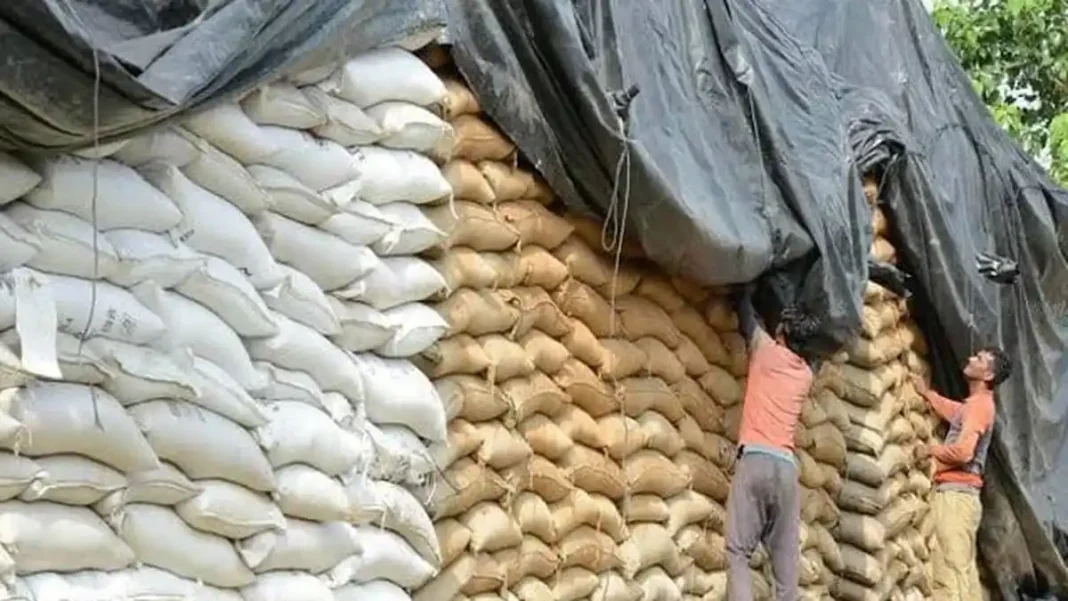
The release order came after a report by the Storage and Enforcement Officer at NRC Azakhel flagged damage to stored stocks from recent flash flooding. Floodwater entered the warehouses and reached the lower layers of stacked wheat bags. Six of the centre’s 11 warehouses sustained damage, while five remained safe.
The report recommended releasing the stocks immediately so the damaged grain could be used before it spoiled further, especially with more rainfall forecast. The department says the extra 1,000 tonnes will ensure timely utilisation of the stored wheat and stop the losses from growing.
Transparency checks on mills and records
For transparency, the Director Food has ordered district food controllers and rationing controllers to submit verified lists of operational flour mills to the release committee before lifting stocks.
The notification also makes it mandatory to update all wheat allocation, transportation and release records on the ICT application without delay. Officials must make sure the government flour milled from the additional wheat reaches consumers through authorised dealers at officially notified prices.
Officers have been told to monitor district allocations, verify operational flour mills and enforce sales at prescribed rates so the benefit reaches the public.
Why this matters now
Feature Pakistan has been tracking the flour market this month. A 20kg bag of flour crossed Rs3,300 in Peshawar, with tandoor owners charging Rs30 per roti. Millers raised flour prices by another Rs14 per kg the same week, Hyderabad’s chakki owners rejected a Rs12,500 wheat issue price, and Sindh approved a subsidised wheat release to steady flour prices. Against that backdrop, K-P’s decision puts more wheat into the system and should ease pressure on consumers if the notified-price mechanism holds.
Why has K-P increased the daily wheat release quota?
The quota rose from 3,000 to 4,000 metric tonnes a day following a Peshawar High Court decision and directions from the Cabinet Oversight Committee. The immediate trigger was flood damage to wheat stored at the NRC warehouses in Azakhel.
How much extra wheat will each district get?
Peshawar gets the largest extra share at 116 tonnes a day, followed by Mardan (67), Swabi (46), Charsadda and Dera Ismail Khan (45 each), Mansehra (44), Nowshera (43), Lower Dir (40), Lower Swat (39), Abbottabad (35), Bannu (33), Bajaur (32) and Kohat (30). The balance goes to the remaining districts.
Why was the release linked to the Azakhel warehouses?
A report by the Storage and Enforcement Officer at NRC Azakhel found that floodwater had damaged the lower layers of wheat bags in six of the centre’s 11 warehouses. Releasing the stocks quickly prevents further spoilage, especially with more rain forecast.
Will government flour reach consumers at notified prices?
The notification says officials must ensure the flour milled from the extra wheat is sold through authorised dealers at officially notified prices. District food controllers and rationing controllers have been told to monitor allocations and verify operational mills.
*Source: The Express Tribune*
Related: Flour Hits Rs3,300 for 20kg in Peshawar as Roti Sellers Charge Rs30 | Flour prices jump Rs14 per kg as millers raise rates again | Sindh approves subsidised wheat release to stabilise flour prices | Hyderabad Chakki Owners Reject Rs12,500 Wheat Issue Price