BBC Cuts Over 100 Jobs and Shuts Two Channels in £500m Savings Drive
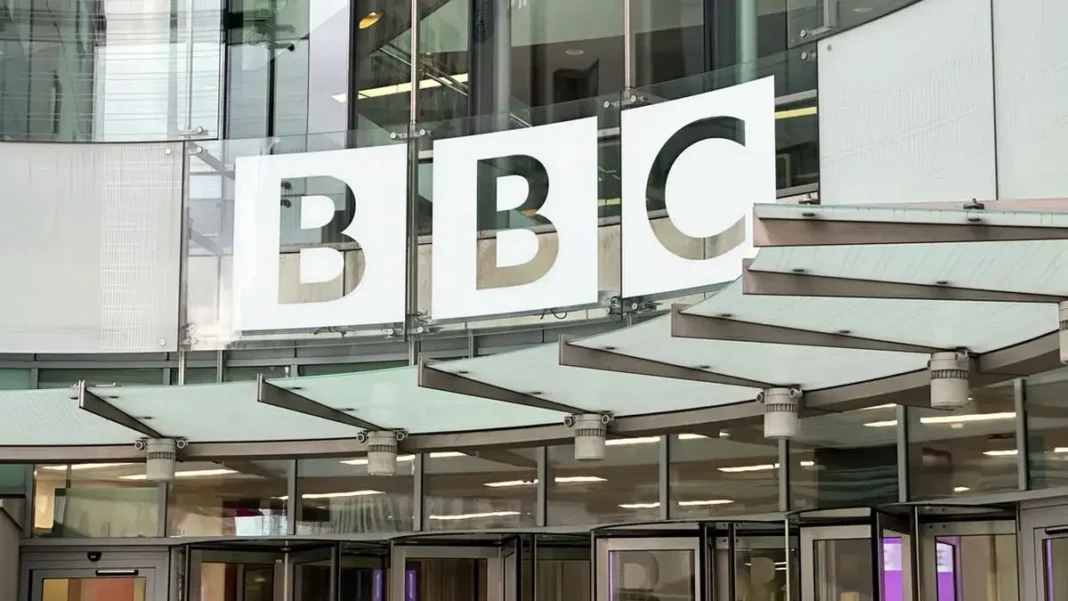
The BBC job cuts announced on Tuesday will eliminate more than 100 roles and close two television channels, as the cash-strapped British broadcaster aims to save £500 million ($668 million) over the next two years. The announcement marks the corporation’s deepest round of cuts since 2011.
BBC News announced the “net closure of just over 100 roles” in an internal note by its director Rachel Jupp, sent to staff and shared with AFP. The cuts are part of some 2,000 job reductions the wider organisation is considering to reach its savings target.
The job cuts represent £5.5 million in savings, Jupp said. She was appointed BBC News’s director this month, after her predecessor stepped down amid a row over a misleading edit of US President Donald Trump in a BBC documentary last year.
BBC job cuts push channels online
The BBC said it would end the broadcast of BBC Scotland and BBC Three, its youth-oriented channel, which will be available on its online iPlayer streaming platform instead. It also announced the closure of Radio 4 Extra, whose mainly archive-based programmes will move to BBC Sounds.
“We need to make every pound work harder for audiences as we respond to the immediate cost pressures and reinvent the BBC for a changing world. We all know that means tough choices,” Director General Matt Brittin said in a note to staff.
“Much of the great content they currently carry will still be found where audiences already enjoy it on iPlayer and Sounds,” added Brittin, the former Google executive who took the helm earlier this year.
Scottish culture minister Mairi McAllan said moving BBC Scotland online was “wholly unacceptable”. Radio Times reported that the linear services will close in spring 2027, with a further 10 jobs lost in Scotland as BBC Scotland leaves broadcast television while remaining on iPlayer.
Why the BBC is cutting
The cuts come amid severe cost pressure. Income from the licence fee, which largely funds the corporation, has fallen by around a quarter in real terms since 2017. The broadcaster, which claims 94 per cent of UK adults use its services monthly, has also faced a series of controversies and scandals in recent years that have rocked public confidence.
This is not the first restructuring this year. In June, the BBC announced plans to axe another 550 roles in its news, nations and content teams by the end of this financial year to deliver £160 million in savings. The Desk reported that BBC News alone must contribute at least £51 million toward the corporation’s savings target, with Tuesday’s cuts identifying about £30.5 million — leaving at least another £20 million still to be found.
Jupp herself warned that the news service could be asked for more: “Given the BBC’s financial pressures, the savings requirement for News could increase.”
A familiar move for BBC Three
BBC Three’s retreat from linear television is not new. The channel was pulled from TV in 2016 and moved online, before returning to screens in 2022. Since its return it has produced major hits including Fleabag, Normal People and Killing Eve — shows that found much of their audience on streaming anyway.
“The way people consume news is changing rapidly, and too many audiences, particularly younger audiences, are not finding us,” Jupp said in her message. The BBC’s gamble is that shifting BBC Three and BBC Scotland fully online follows viewers rather than abandoning them.
Readers can compare with the original reporting at Dawn World and Radio Times.
FAQs
How many jobs is the BBC cutting?
BBC News will close just over 100 roles, saving £5.5 million. The cuts are part of up to 2,000 job reductions across the wider BBC as it targets £500 million in savings over two years.
Which BBC channels are closing?
BBC Three and BBC Scotland will end linear TV broadcasts and move to the iPlayer streaming platform. Radio 4 Extra will close, with its archive programmes moving to BBC Sounds.
When will the channel closures take effect?
The linear broadcast services will close in spring 2027, according to Radio Times. Content from both channels will continue on the BBC’s streaming platforms.
Why is the BBC making these cuts?
Licence-fee income has fallen by around a quarter in real terms since 2017, creating severe cost pressure. The BBC says it must make “tough choices” as audiences shift from broadcast to streaming, especially younger viewers.