Sindh Rabies Toll Rises After Two More Deaths
Two more dog-bite victims lost their lives to rabies in Sindh on Monday, raising the province’s recorded death toll from the disease to 42 this year. The growing Sindh rabies toll has renewed calls for a proper system to remove stray dogs from the streets and house them in designated shelters.
The Victims
The first victim was Javed, a 38-year-old man from Hyderabad. He died at the Jinnah Postgraduate Medical Centre (JPMC) in Karachi on Monday. A doctor at the hospital, speaking on condition of anonymity, said Javed was brought to the emergency department on Sunday night with hydrophobia, irritability, fever and difficulty swallowing.
The patient had been bitten by a dog on the face four months earlier. His post-exposure treatment status was unknown.
The second victim was Allahbad, 52, who had been referred from Nawabshah to the Liaquat University Hospital in Hyderabad. He died on Monday afternoon.
Earlier deaths this year include a 38-year-old man from Diplo in Tharparkar, a 12-year-old boy from Hyderabad, and a Karachi resident from Baldia town in his 70s. A child in Hyderabad died of rabies earlier this month, and a suspected case was reported at Karachi’s Jinnah Hospital, showing the toll has been building for weeks.
‘Government Seems Least Concerned’
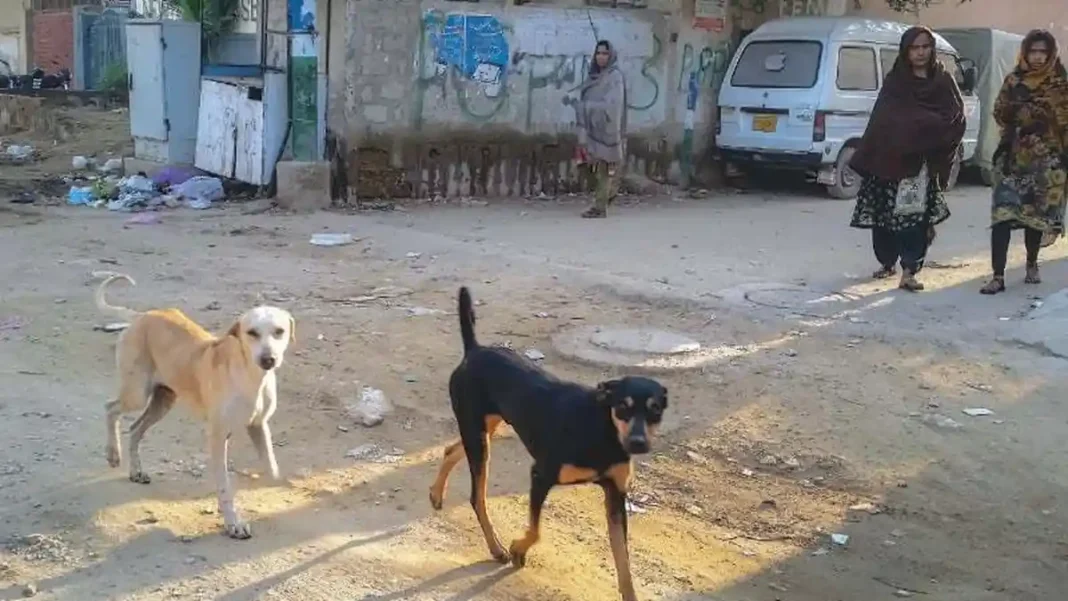
Dr Mirza Ali Azhar, representing the Pakistan Medical Association, did not mince his words. “Free-roaming dogs are on a rampage across the province, injuring and killing people, including children, but the government seems least concerned,” he said.
Dr Azhar, who is also part of a civil society initiative against rabies, argued that the real problem is not rabies itself but the stray dogs attacking people. “In 99 per cent of cases in our environment, rabies is a consequence of a dog bite. If there is no dog injury, there would be no rabies. Hence, we have to ensure that there is no dog on the street that could pose a threat to citizens.”
His proposed solution is straightforward: catch the dogs, isolate them, and place them in designated shelters where they can be neutered and fed by animal rights activists and local authorities.
Alarming Study Findings
Dr Azhar pointed to a recent study from Indus Hospital that underlines the scale of the problem. The research, titled “Detection of Rabies Virus RNA in Dog-Bite Wounds in a Rabies-Endemic Area: Evidence from an Observational Cohort Study”, found rabies virus RNA in 64 per cent of dog-bite wound samples in Karachi.
That figure points to a heavy virus burden in the city’s stray dog population. Experts say it makes population control urgent rather than optional.
Many cases never reach the official count. Experts say a large number of rabies cases go unreported because patients use home remedies or turn to faith healers instead of seeking medical care.
Prevention Is Possible
The tragedy of rabies is that it is preventable. After exposure, early wound cleansing, timely vaccination and rabies immunoglobulin where needed can stop the disease from taking hold.
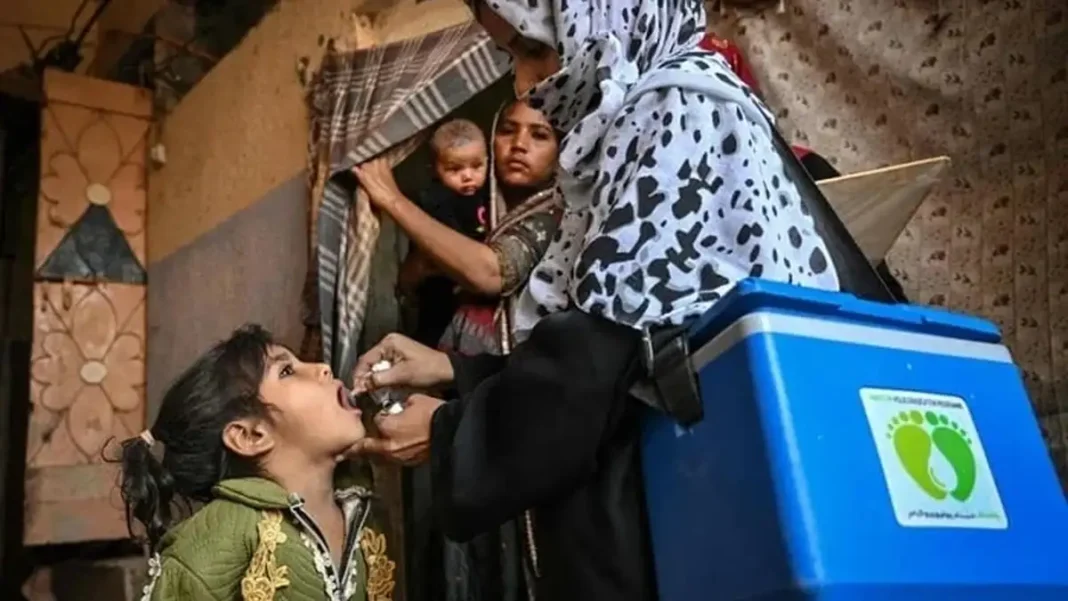
Once clinical symptoms appear, however, rabies is almost invariably fatal. That narrow window is why public awareness matters as much as dog population control. Preventable diseases remain a wider challenge for the province’s health planners: Pakistan reported its sixth polio case of 2026 in Khyber, another illness that vaccines can stop.
Frequently Asked Questions
How many people have died of rabies in Sindh in 2026?
The recorded death toll has reached 42 after two more victims died on Monday. Experts believe the real number is higher because many cases go unreported.
What are the symptoms of rabies?
Early symptoms include fever and irritability. As the disease advances, patients develop hydrophobia (fear of water) and difficulty swallowing. Once symptoms appear, the disease is almost always fatal.
Can rabies be prevented after a dog bite?
Yes. Immediate wound cleansing, timely rabies vaccination and immunoglobulin where needed can prevent the disease. The key is seeking medical care at once rather than relying on home remedies.
What do experts want the government to do?
The Pakistan Medical Association wants stray dogs caught, isolated and placed in designated shelters for neutering, alongside public awareness campaigns and better availability of vaccines in hospitals.
Source: Dawn