- Suggested slug: punjab-power-firm-tariff-hike-nepra-hearing
- Category: Business News
- Focus keyphrase: electricity tariff hike
- SEO title: Punjab Firm Seeks Electricity Tariff Hike of Rs3 Per Unit
- Meta description: Punjab Power Development Co asked Nepra for an electricity tariff hike of over Rs3 per unit, opposed by Gepco, Mepco and CPPA-G.
- Tags: NEPRA, electricity tariff, PPDCL, hydropower, Punjab, Gepco, Mepco, power bills
- Original element: local angle + explainer — what a Rs3 per unit rise means for household power bills in Punjab; plain-language breakdown of Nepra’s tariff process and why distribution companies oppose hydel tariff revisions.
- Source: The Express Tribune https://tribune.com.pk/story/2635987/power-firm-draws-flak-for-seeking-tariff-hike (published 2026-10-21)
- Story date: Wednesday, 2026-10-21
- Image note: high-voltage transmission towers, real photo; caption must carry “Image: Jang”
Punjab Power Firm Faces Backlash Over Bid to Raise Electricity Tariff by Rs3 Per Unit
ISLAMABAD: The Punjab Power Development Company Limited (PPDCL) came under fire on Tuesday from other power firms and the regulator after seeking an electricity tariff hike of more than Rs3 per unit for three hydropower projects.
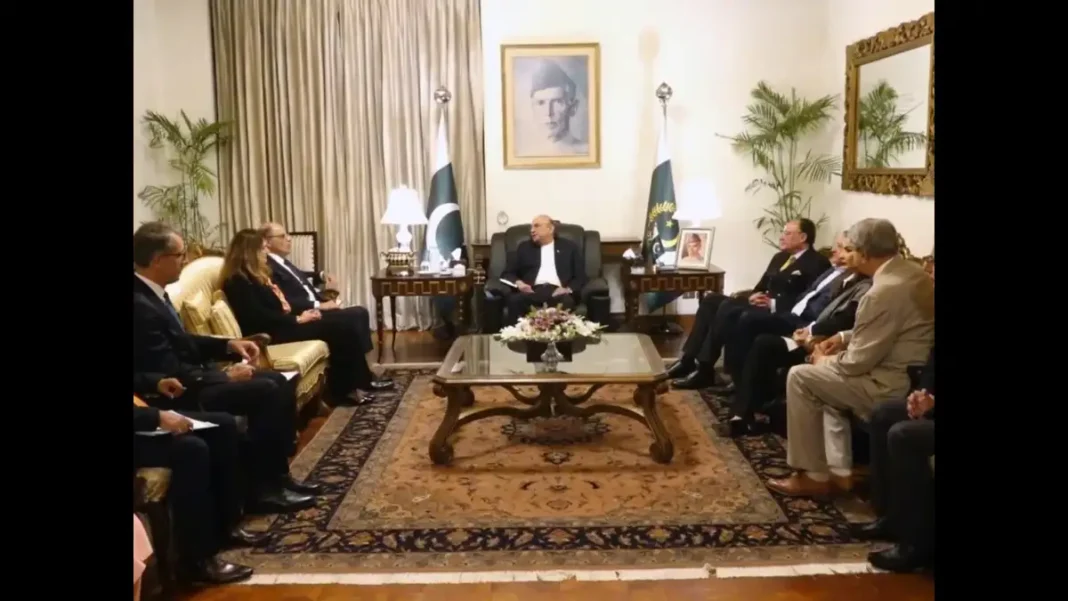
The National Electric Power Regulatory Authority (Nepra) held a public hearing to review the company’s petition covering the Chianwali, Marala and Pakpattan hydroelectric power projects in Punjab, the Tribune reported.
In its motion, PPDCL said its total fixed charge stood at Rs7.4316 per kilowatt-hour, amounting to Rs371.54 million, and asked for it to be raised to Rs10.9133 per unit. For context, the average power purchase price is projected at Rs27 per unit for 2027. The company argued that lower water flows, longer canal closures and outages had cut generation well below the regulator’s benchmarks.
Officials of Gepco, Mepco and the Central Power Purchasing Agency-Guarantee (CPPA-G) strongly opposed any tariff revision for the hydropower plants.
They told the hearing that a higher tariff would raise consumer costs and encourage other hydroelectric companies to seek their own reviews.
Why the electricity tariff hike plea faces opposition
PPDCL asked for a lower plant factor and a change in the canal closure factor from 20 to 34 days. Punjab had initially indicated canals would close for 20 days, but that figure excluded unscheduled closures.
It sought to cut the annual energy benchmark from 49.995 gigawatt hours to 34.045 GWh. Under the construction contractor’s design, the company requested adoption of estimated annual generation of 43.067 GWh at a 65.5 per cent plant factor.
The regulator had earlier set the benchmark at 49.995 GWh with a capacity factor of 75.5 per cent. PPDCL said actual water flows at the Marala plant had fallen about 26 per cent below the historical flows used in the feasibility study.
The feasibility study and the construction contract had made no allowance for scheduled and forced outages. Against an actual 34-day annual canal closure, the study assumed 15 days and the contract 20 days.
After accounting for outages, extended closures and low water flows, the company estimated annual generation at 34.045 GWh with a 51.4 per cent capacity factor, far higher than the run-of-canal hydropower stations operated by Wapda.
Insurance and tariff structure changes
PPDCL also sought to pass through insurance costs capped at 0.8 per cent of construction cost, down from 1.35 per cent, translating the $0.2772 million cap into rupees at the dollar rate on the valuation date.
PPDCL also made a major concession, agreeing to shift the tariff structure from take-or-pay to take-and-pay, moving most of the run and hydrological risk from the buyer to the seller. All fixed and variable operation and maintenance costs will be indexed each year to the National Consumer Price Index. Upward dollar indexation of the return on equity will stop from January 1, 2026, with the exchange rate fixed at Rs280.55 to the dollar. Any rupee appreciation will be passed on to consumers each year.
What it means for power bills
Nepra has not yet decided the petition. If approved, the increase would feed into the cost of electricity supplied by distribution companies, and ultimately into consumer bills at a time when households are already under pressure from rising petrol prices. Power costs are already a sore point: K-Electric and the government are locked in a blame game over Rs34 billion in circular debt, while imported coal generation pushed up costs in September.
The opposition from Gepco, Mepco and CPPA-G matters because these are the companies that buy and distribute the power. Their argument is simple: raising tariffs for one set of hydel plants would set a precedent, and every similar producer would line up for a revision.
For Punjab consumers, the question is whether hydropower, long Pakistan’s lowest-cost source of electricity, starts getting more expensive. The regulator will now weigh PPDCL’s technical case against that risk before issuing its determination.
Which company sought the electricity tariff hike?
Punjab Power Development Company, a Punjab government-owned firm, asked Nepra to raise tariffs for its Chianwali, Marala and Pakpattan hydel projects by more than Rs3 per unit.
Who opposed the tariff increase?
Gepco, Mepco and the Central Power Purchasing Agency-Guarantee opposed the plea, warning it would raise consumer costs and trigger similar demands from other hydel producers.
Has Nepra approved the hike?
No. Nepra held a public hearing on Tuesday and will issue its determination after reviewing the petition and the objections.