Nigeria confirms first Ebola case; patient carries Bundibugyo strain
The Nigeria Ebola case marks a worrying turn in Africa’s deadliest recorded Ebola epidemic, as health authorities in Abuja confirmed the country’s first infection on Wednesday. The patient, a woman described as a diplomat, travelled from Uganda to the Nigerian capital on October 3. Laboratory tests identified the Bundibugyo strain, the same variant driving the major outbreak in the Democratic Republic of Congo.
Nigeria’s Centre for Disease Control and Prevention (NCDC) ran three levels of molecular testing before confirming the result. “We did three levels of tests, but all molecular. The strain was Bundibugyo,” said Olajumoke Babatunde, director of the public health laboratory service at the NCDC. The World Health Organisation (WHO) independently confirmed the finding.
Nigeria Ebola case patient in multi-organ failure
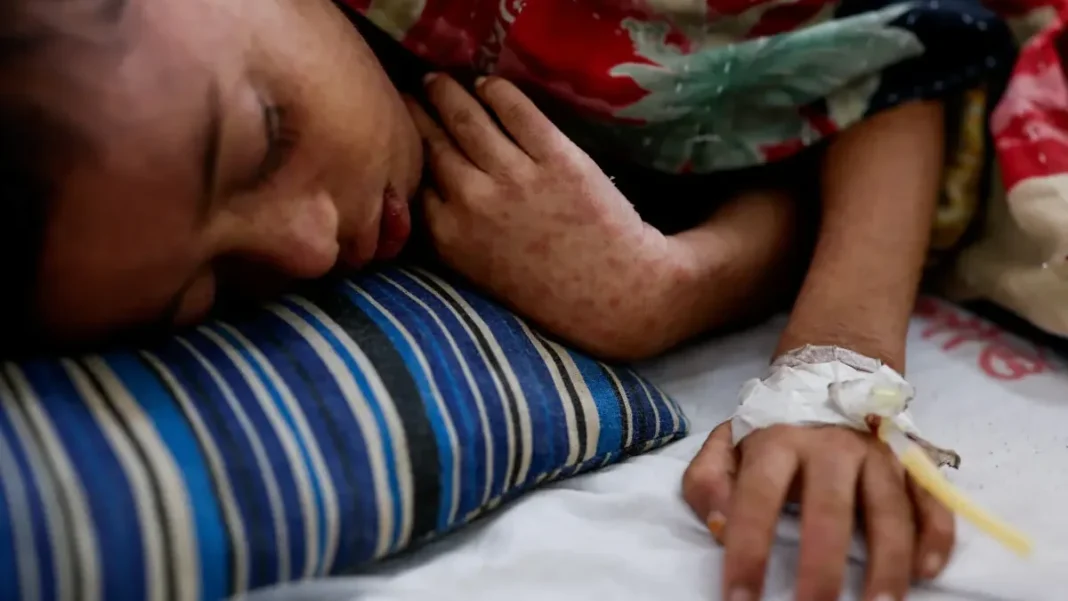
The patient’s condition has worsened since detection. An official at the emergency meeting said the woman, who sought care at a private hospital in Abuja, had deteriorated into multi-organ failure. WHO confirmed on October 20 that she began showing symptoms on October 7, four days after arriving in Nigeria, and sought treatment at the private facility on October 11.
Nigerian health authorities have identified 44 contacts who are now under monitoring. Efforts are continuing to trace anyone else who may have been exposed. WHO said infection prevention and control measures were being “ramped up” at the private hospital where the patient sought care, and the NCDC has activated its incident management system to coordinate the response.
Why the Bundibugyo strain alarms health officials
The Bundibugyo strain carries a particular sting: unlike the better-known Zaire species of Ebola, it has no licensed vaccine and no specific treatment. The strain was first identified during an outbreak in Uganda’s Bundibugyo District in 2007. Vaccines and therapies developed against the Zaire species, which caused West Africa’s devastating 2014-2016 epidemic, may not protect against or treat this variant.
WHO confirmed the same strain is behind the DRC outbreak, which was declared in mid-May and has become the deadliest in the country’s history. Congolese health authorities report more than 9,500 cases and over 4,200 deaths as of October 18. Nigeria is now the fifth country to detect the virus since the outbreak began, after the DRC, Uganda, Kenya and the Netherlands.
Africa CDC warns of “extremely serious threat”
Jean Kaseya, director general of the Africa Centres for Disease Control and Prevention, warned on Tuesday of “an extremely serious threat” as the virus spreads across the continent. Kenya has declared its ninth Ebola case, while Uganda’s own outbreak was officially declared over in late August, only for the virus to resurface through travel-linked cases.
The deadly viral haemorrhagic fever has now spread to several countries across the continent since mid-May. For Nigeria, Africa’s most populous country, the arrival of the virus tests a health system that earned praise for containing a 2014 Ebola importation through rapid contact tracing.
Nigeria contained a 2014 Ebola importation through rapid contact tracing. Readers following measles cases in South Waziristan and the Karachi polio tally reaching seven this year will recognise the pattern: fast detection and transparent reporting decide whether an outbreak stays contained.
What happens next in Nigeria
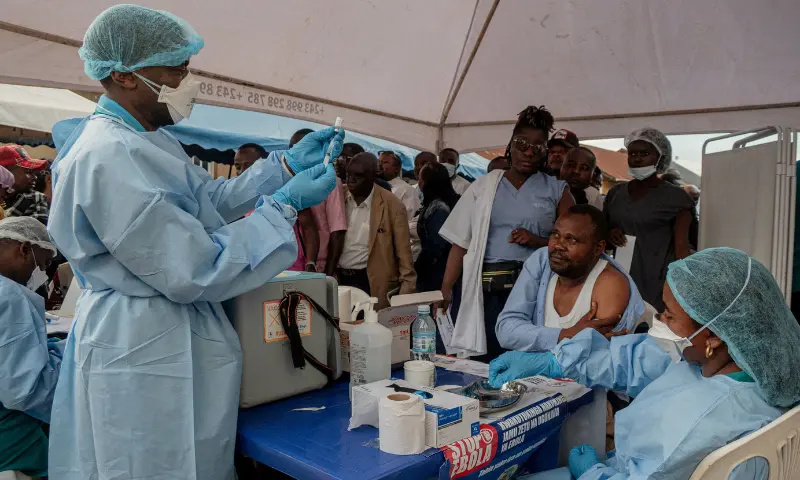
WHO and its partners are working with Nigerian health authorities to strengthen case investigations, contact tracing and infection prevention. Support includes essential supplies, including personal protective equipment for healthcare workers. The agency says investigations continue to determine the likely source of the patient’s infection and to reconstruct her full travel and exposure history.
The medical fraternity in Pakistan has been vocal about protecting health workers, a concern that applies equally in Abuja, where frontline staff at the private hospital face the first exposure risk. Nigeria’s experience in the coming days will show whether the 44 monitored contacts mark the outer edge of this transmission chain.
Frequently asked questions
What is the Bundibugyo strain of Ebola?
Bundibugyo is a distinct species of Ebola virus, first identified in Uganda in 2007. It causes Ebola virus disease in humans but is genetically different from the Zaire species behind most major outbreaks. There is currently no licensed vaccine or specific treatment for it.
How did Nigeria’s first Ebola case arrive?
The patient is a woman described as a diplomat who travelled from Uganda to Abuja on October 3. She developed symptoms on October 7 and sought care at a private hospital on October 11. Laboratory testing confirmed the infection on October 20.
How many contacts are being monitored in Nigeria?
Nigerian health authorities have identified 44 contacts who are being monitored, with efforts under way to find others who may have been exposed. The NCDC has activated its incident management system to coordinate the response.