Pakistan has issued a Zaireen travel advisory for pilgrims heading to Iran and Iraq, urging them to verify their flight bookings before departure and prepare alternative arrangements in case of cancellations. The circular from the Ministry of Religious Affairs and Interfaith Harmony, dated October 22, comes amid heightened regional security tensions involving Iran, though the government did not explicitly link the advisory to the security situation.
The advisory specifically covers Zaireen who combine visits to Iran and Iraq, use Iranian airlines, or plan onward travel between Tehran or Mashhad and Najaf. “Zaireen who combine visits to Iran and Iraq, use Iranian airlines or plan onward travel between Tehran/Mashhad and Najaf should be advised to verify every Iran-Iraq air sector before departure,” the ministry said in the circular.
The ministry said it had received the advisory from the Foreign Office, which conveyed travel guidance issued by Pakistan’s embassy in Baghdad. Registered Zaireen Group Organizers (ZGOs), which arrange pilgrimage travel, have been told not to rely on unconfirmed flight connections and to prepare contingency plans for possible disruptions.
What the Zaireen travel advisory asks pilgrims to do
The circular instructs organisers to keep alternative land routes or air arrangements ready, maintain sufficient contingency funds, and have accommodation plans in place in case of cancellations. Pilgrims have also been advised to carry extra money to cover alternative air or ground transport and hotel expenses if their flights are cancelled.
The ministry directed ZGOs to brief every pilgrim travelling in their groups about the advisory before departure, so travellers understand the need to verify bookings and prepare for possible disruption. The advisory does not prohibit travel to either Iran or Iraq.
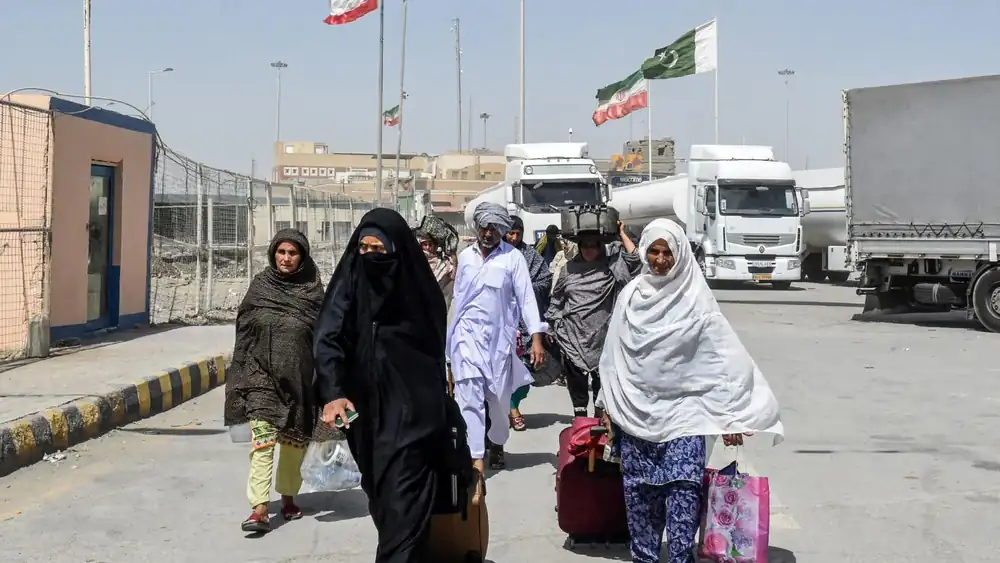
Iran and Iraq are major destinations for Pakistani Shia pilgrims, who visit religious shrines in both countries and often combine the visits in a single journey. Thousands of Pakistanis make the trip each year, particularly during religious occasions.
Why the timing matters for Pakistani travellers
The warning lands as the Gulf region faces its most dangerous stretch in months. Earlier this week, Iran distanced itself from Houthi moves at Bab al-Mandab as a missile was intercepted over Najran, and foreign ministers meeting in Istanbul are scrambling to keep the Strait of Hormuz and Bab al-Mandeb open — a sign of how quickly regional incidents can disrupt travel.
The tensions are already spilling into everyday life in Pakistan. Cooking-gas prices have surged to record levels across the country, with cylinders in the worst-hit areas crossing Rs10,000. For pilgrims, the practical risk is simpler: a cancelled flight between Mashhad and Najaf can strand a whole group without a backup plan.
What happens next
ZGOs are expected to confirm every Iran-Iraq air sector for their groups before departure and brief travellers on the advisory. Pilgrims planning combined Iran-Iraq visits should check with their organisers that alternative routes and funds are in place. The ministry has not set an end date for the guidance, which will likely stay in force while regional tensions run high.
Who does the advisory apply to?
Pakistani Zaireen travelling to Iran and Iraq, especially those combining both countries in one trip, using Iranian airlines, or flying between Tehran or Mashhad and Najaf.
Does the advisory ban travel to Iran or Iraq?
No. It does not prohibit travel. It asks pilgrims to verify flight bookings in advance and keep alternative arrangements and extra funds ready in case of cancellations.
What must pilgrimage organisers do?
Registered Zaireen Group Organizers must avoid relying on unconfirmed flight connections, prepare contingency plans with alternative routes and funds, and brief all group members about the advisory before departure.
Why was the advisory issued now?
The ministry issued the circular on October 22 amid heightened regional security tensions involving Iran, after receiving travel guidance from the Foreign Office conveyed by Pakistan’s embassy in Baghdad.