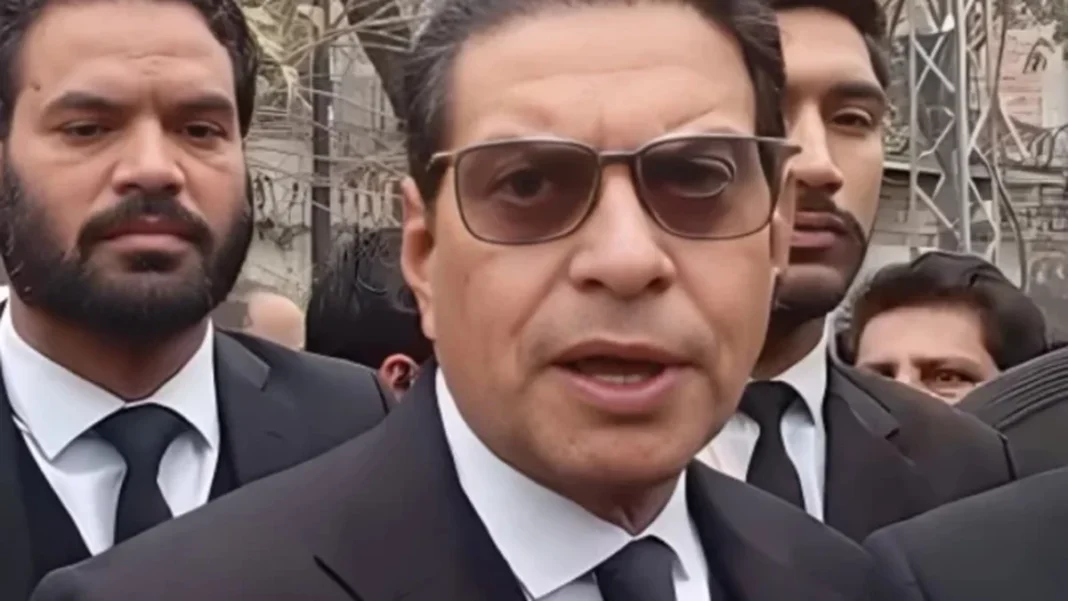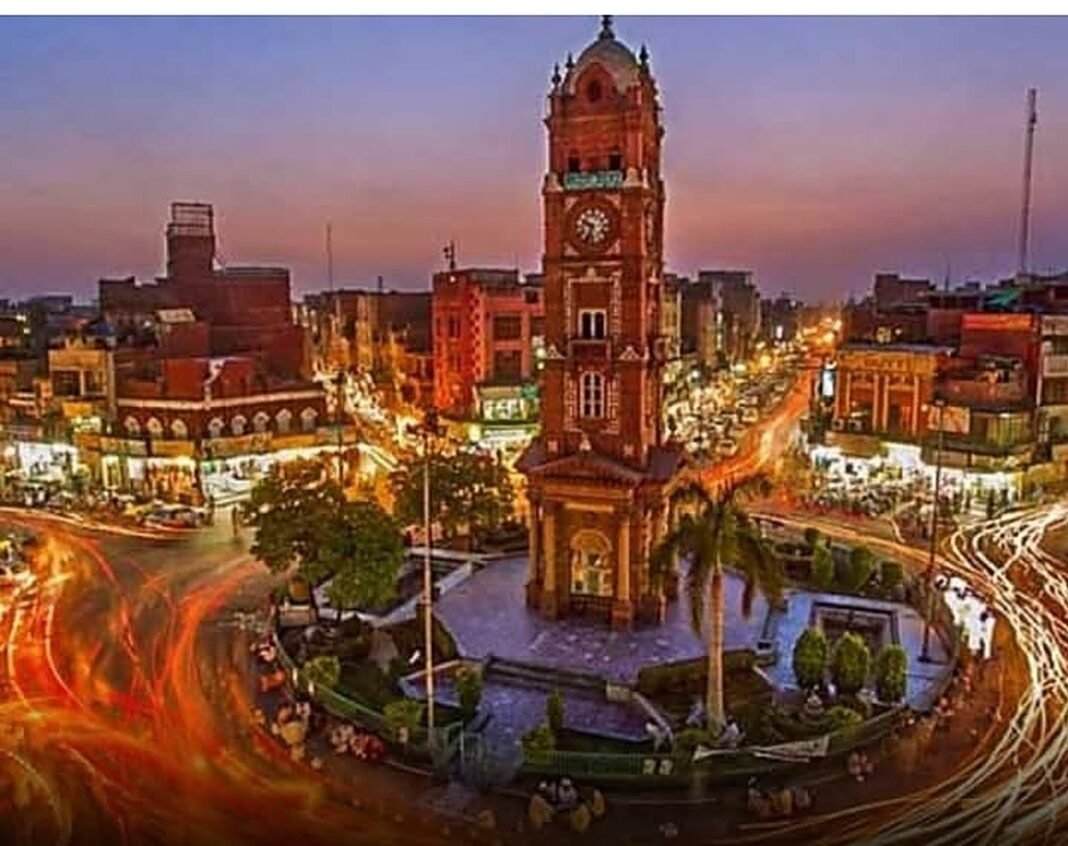
Faisalabad’s business community has demanded that the city be declared Pakistan’s first textile circular city. Traders placed the demand before Punjab Governor Sardar Saleem Haider Khan during his address at the Faisalabad Chamber of Commerce and Industry (FCCI). The governor, meanwhile, promised the traders direct access to the country’s top leadership.
FCCI President Arif Ehsan Malik formally presented the demand while welcoming the governor. He said Faisalabad already recycles its textile waste into new products daily. A formal textile circular city tag, he argued, would organise and expand that work. The proposal also includes cleaner water for the city’s factories.
The governor praised the business community for stabilising the economy despite daunting challenges. His wide-ranging address covered university links, energy costs, taxation, and local security, additionally. Traders, in return, placed their biggest demands directly on the table. Which of those demands will move first?
Why Faisalabad Wants the Textile Circular City Tag
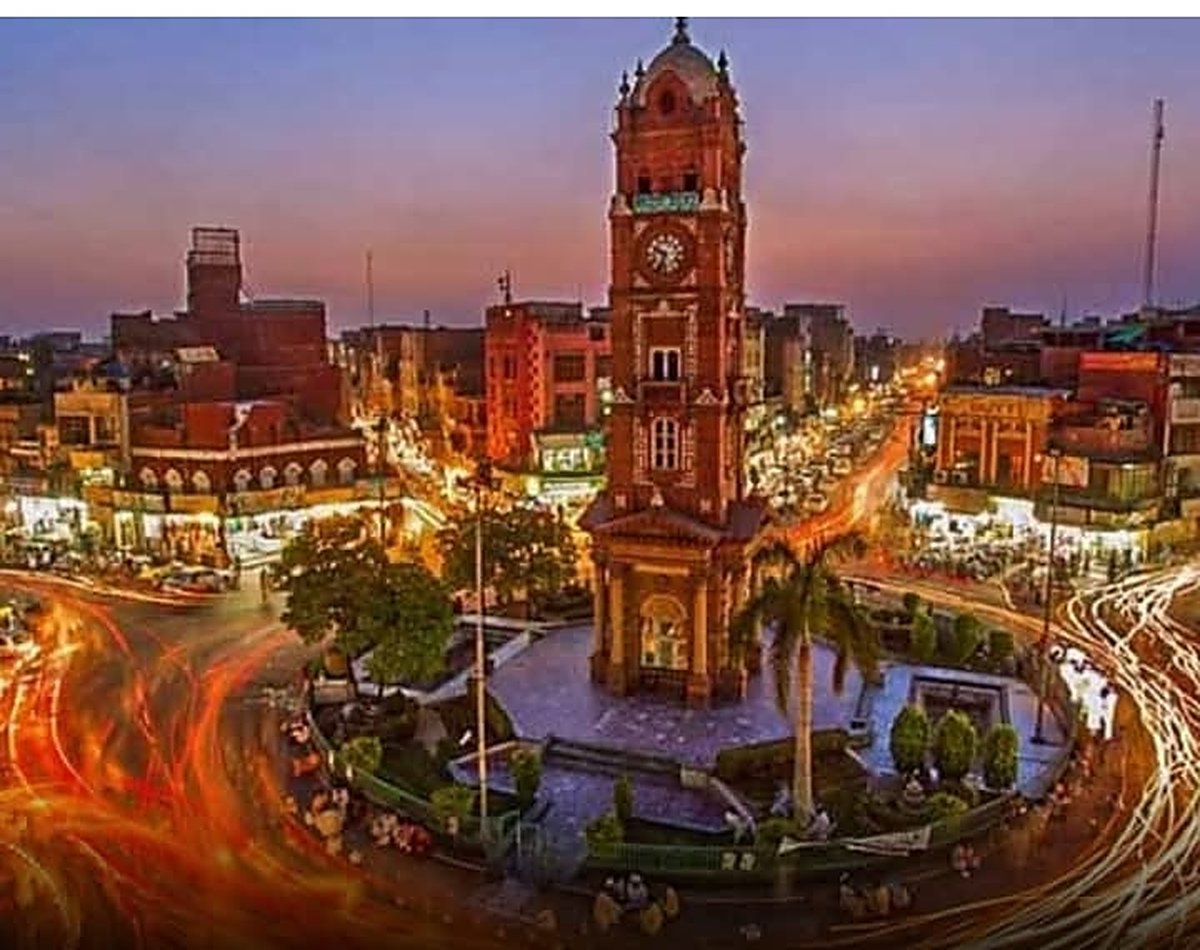
Faisalabad is Pakistan’s textile heartland, home to mills, looms, and processing units. Our profile of Interloop, the textile giant shows the industry’s true scale here. A textile circular city model treats waste as a resource instead. Old fabric returns as new yarn, and the cycle keeps repeating.
The FCCI president proposed a joint pilot project in one selected industrial cluster. The pilot would treat industrial effluent so factories can reuse the water, meanwhile. He also demanded a campus of an IT university in Faisalabad. Such a campus, he said, would promote information technology systematically.
What the Governor Promised Business Leaders
The governor highlighted the wide gap between industry and academia in Pakistan. He said he would direct vice chancellors to visit their respective chambers, instead. He would advise universities to form committees and appoint focal persons for industry. The Governor’s Secretariat would also nominate its own focal person, additionally.
That secretariat focal person would resolve business issues without bureaucratic hurdles, he explained. He also promised to try arranging an FCCI meeting with President Asif Ali Zardari. He would also request PPP Chairman Bilawal Bhutto Zardari to visit the chamber, meanwhile. Direct interaction, he said, would let traders present their case themselves.
Energy Costs, Taxes, and the Squeezed Taxpayer
On the economy, the governor openly acknowledged the high cost of electricity and energy. He also named high interest rates and heavy taxation as real burdens, in addition. Tax authorities deduct taxes straight from employees’ salaries while squeezing registered businessmen further, he said. The tax net, he argued, should be widened instead of tightened.
His remarks match the complaints Faisalabad’s exporters raise almost every season. Power and finance costs decide whether an export order profits or fails, however. Any relief on these fronts would reach thousands of mill workers too, finally. The chamber now waits for the promised meetings to materialise.
Security Pledge After a Businessman’s Murder
The meeting also raised the recent murder of a local businessman. The governor said he would take the issue up at the highest level directly. He would direct the authorities to arrest the culprits within hours, he added. Business security, consequently, became part of the day’s formal agenda.
What the Textile Circular City Tag Would Mean
A formal declaration would brand Faisalabad as Pakistan’s recycling-led textile hub nationally. It could attract buyers who now demand sustainable, traceable supply chains, instead. The pilot effluent project would test the model in one cluster first, meanwhile. Read the original report on ProPakistani for the full meeting coverage.
For now, the demand sits with the provincial and federal leadership. The governor carries the traders’ case to the President and the PPP chairman, additionally. Faisalabad’s mills, meanwhile, keep recycling quietly without the official tag. Will the textile circular city become Pakistan’s next industrial headline?