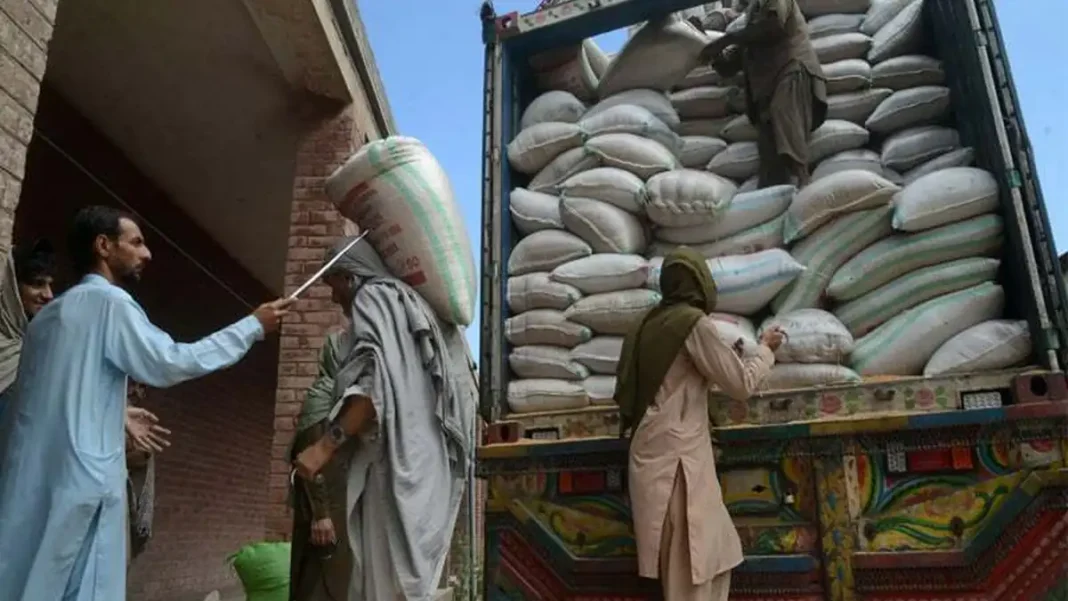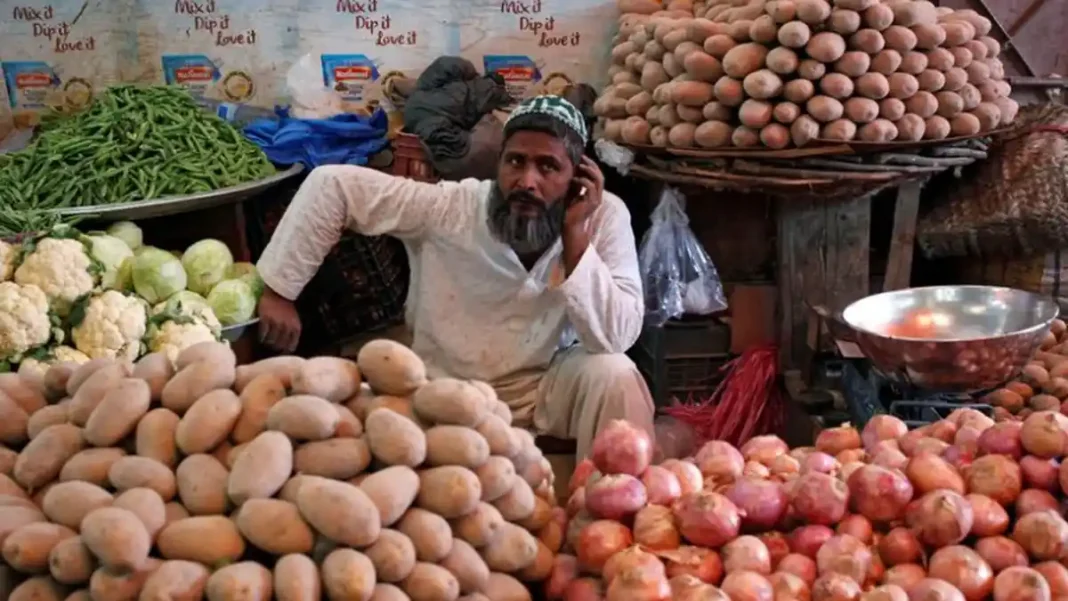
Short-term inflation in Pakistan rose to 11.85 per cent year-on-year in the week ending October 22, driven largely by wheat flour prices, according to official data released by the Pakistan Bureau of Statistics on Friday. The weekly inflation Pakistan reading marks another week in double digits, extending a run powered by persistent increases in petroleum prices.
The Sensitive Price Index, which tracks short-term inflation, is calculated from the prices of 51 essential items collected from 50 markets across 17 cities. During the week, the prices of 19 commodities rose, 12 fell and 20 remained unchanged. The index edged up 0.65 per cent over the previous week, reflecting pressure across both food and non-food items.
What pushed weekly inflation in Pakistan higher
Liquefied petroleum gas led the weekly risers with a 22.44 per cent jump, followed by chicken at 12.20 per cent and onions at 4.19 per cent. Shirting rose 1.86 per cent, plain bread 1.66 per cent and wheat flour 1 per cent, while garlic, firewood, vegetable ghee, beef and pulse mash also moved up.
Some relief came from vegetables and fuel. Tomatoes fell 21.99 per cent over the week, petrol dropped 3.63 per cent, bananas 2.42 per cent and diesel 1.68 per cent. Potatoes, pulse gram, eggs, powdered milk, broken basmati rice and sugar also declined.
On an annual basis, the picture is starker. LPG prices have more than doubled over the year, up 107.12 per cent, while onions are 72.81 per cent dearer and first-quarter electricity charges 58.59 per cent higher. Petrol is up 44.17 per cent and diesel 41.56 per cent on the year, with chicken 38.99 per cent and wheat flour 36.49 per cent higher. Tomatoes, by contrast, are 71.72 per cent cheaper than a year ago, with potatoes down 40.75 per cent and sugar 25 per cent.
Cost-push inflation squeezes households
The data points to cost-push inflation, in which rising energy costs feed through into food prices. The government has been unwilling to ease the petroleum levy and has continued to revise petrol and diesel prices, most recently through daily fuel price adjustments that pump owners have had to track. Higher energy costs are not only lifting inflation but also swelling sales tax collection through higher prices of goods and services.
The pressure is visible in household budgets. Flour prices in Lahore have already been climbing, and the PBS data confirms wheat flour as a national driver of the weekly increase. With the rupee under strain, trading around Rs276.82 to the dollar, and gold prices swinging sharply, families face rising costs on several fronts at once.
Notably, the pace is quickening. Last week’s short-term inflation stood at 11.38 per cent year-on-year, so the jump to 11.85 per cent represents a clear acceleration rather than a plateau. With winter demand for LPG and heating fuel approaching, the coming weeks will test whether the double-digit run extends further.
Frequently asked questions
What is the current weekly inflation rate in Pakistan?
Short-term inflation stood at 11.85 per cent year-on-year in the week ending October 22, according to the Pakistan Bureau of Statistics, up from 11.38 per cent the previous week.
Which items rose the most during the week?
LPG rose 22.44 per cent, chicken 12.20 per cent and onions 4.19 per cent over the previous week. Wheat flour increased 1 per cent.
Which items became cheaper?
Tomatoes fell 21.99 per cent, petrol 3.63 per cent, bananas 2.42 per cent and diesel 1.68 per cent week-on-week.
What is driving inflation in Pakistan?
PBS data points to cost-push inflation: persistent increases in petroleum prices and the petroleum levy are feeding through into food and household costs, with wheat flour a key driver.