

SIFC engages Gilgit-Baltistan’s business community: SIFC Gilgit Baltistan
The Special Investment Facilitation Council has opened a direct dialogue with Gilgit-Baltistan’s traders and chamber representatives, seeking to remove regulatory hurdles and simplify compliance in the region.
According to the report, an SIFC team met representatives of the Hunza Chamber of Commerce and Industry and local traders to discuss regulatory hurdles and simpler compliance. The meeting centred on steps to improve the region’s investment climate.
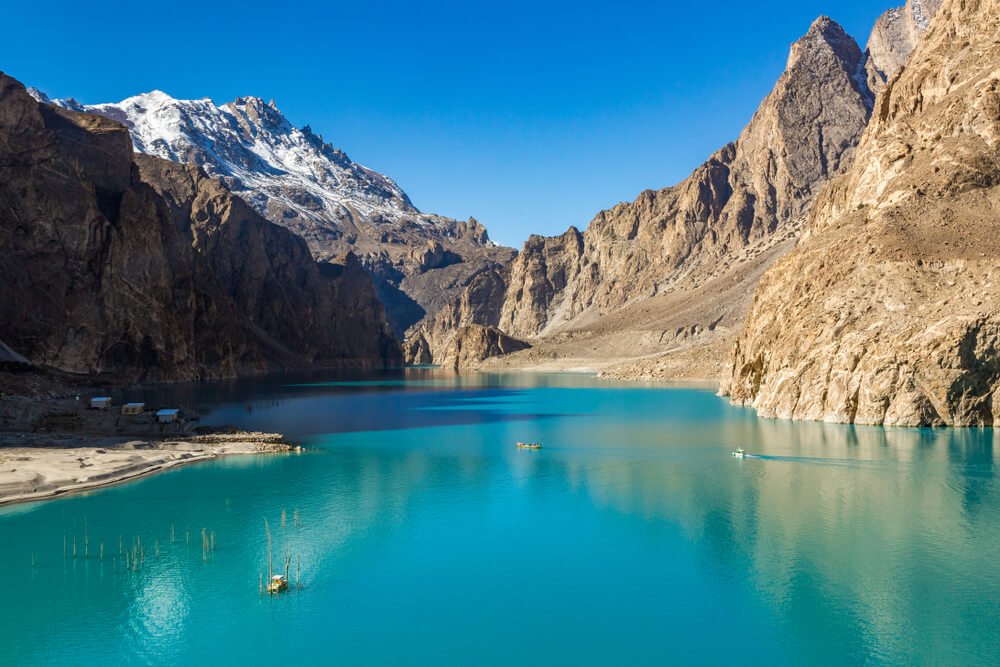
The engagement is part of a broader push by the council to extend investment facilitation beyond the major cities. Gilgit-Baltistan, a gateway for trade with China and a fast-growing tourism destination, has long complained that federal regulations are designed with the plains in mind and fit poorly with local conditions.
Asan Karobar and regulatory reforms
The council’s team also met the Chief Minister of Gilgit-Baltistan, Amjad Hussain, and briefed him on the government’s investment facilitation and regulatory reform agenda. The discussions covered the Asan Karobar Act, which the federal government is implementing across the country to cut red tape.
The chief minister noted that the act would soon be taken up by the GB parliament, a step that would align the region’s business regulations with the national reform framework. The two sides also discussed industrialisation and SIFC’s support for attracting investment through special economic zones.
The Gilgit-Baltistan meetings fit a pattern. The council has been holding similar sessions with business communities across the country, from Karachi’s industrial estates to Punjab’s business facilitation centres, as it tries to standardise a simpler compliance regime.
What is at stake for GB
For local businesses, the promise of simpler compliance matters in practical ways. Traders in Hunza and Gilgit have repeatedly raised issues around permits, cross-border trade procedures at the Khunjerab route, and the cost of meeting federal documentation requirements for small operations.
The region’s economy rests on tourism, agriculture, small-scale trade with China and a growing services sector. Better regulatory treatment could encourage more of that activity to move through formal channels, widening the tax base while reducing the friction that pushes small traders toward informal arrangements.
The council has not announced specific timelines or decisions from the meetings. For now, the engagement itself is the signal: the region’s business community has a direct line to the country’s investment facilitation body, and the council has committed to carrying their concerns into its reform agenda.
FAQs
What is SIFC?
The Special Investment Facilitation Council is a federal body tasked with removing barriers to investment and steering regulatory reforms across Pakistan’s economy.
Why does Gilgit-Baltistan need special attention on business regulation?
Local businesses face unique challenges, from cross-border trade at Khunjerab to tourism-driven seasonal activity, that national regulations often do not account for.
What is the Asan Karobar Act?
It is the federal government’s ease-of-business legislation aimed at simplifying compliance, cutting redundant approvals and standardising facilitation for investors across the country.
Related stories
- Sindh to Hold Investment Conference in Shanghai on October 15
- UK Proposes Long-Term Investment Partnership in Talks with Pakistan
Originally reported by propakistani.pk.