Introduction
The Connection Between Water and Wildlife
Water is more than just a resource from nature. It is the basis of life, shaping landscapes, providing food for wildlife, and connecting ecosystems worldwide. Numerous species rely on freshwater environments, such as snow-fed mountain streams, expansive wetlands, and winding rivers, for their essential habitats. However, the relationship between water and wildlife is becoming increasingly fragile as a result of factors such as pollution, habitat destruction, climate change, and excessive water consumption putting increasing pressure on freshwater systems. The health of wildlife is closely related to the availability of clean, dependable water in the American West, where snowmelt sustains forests and grasslands and rivers flow through arid valleys. Not only is it important to protect these waters for the sake of the environment, but it is also necessary to preserve biodiversity and keep the ecological balance that both human communities and wildlife rely on.
In short: Rivers, streams and wetlands provide food, shelter, drinking water and breeding grounds for countless species — and they are under pressure from pollution, habitat destruction, climate change and overuse. Faisal Shehzad explains why protecting freshwater ecosystems is one of the most important environmental responsibilities of our time.
Rivers and Wetlands: The Heart of Wildlife Habitats
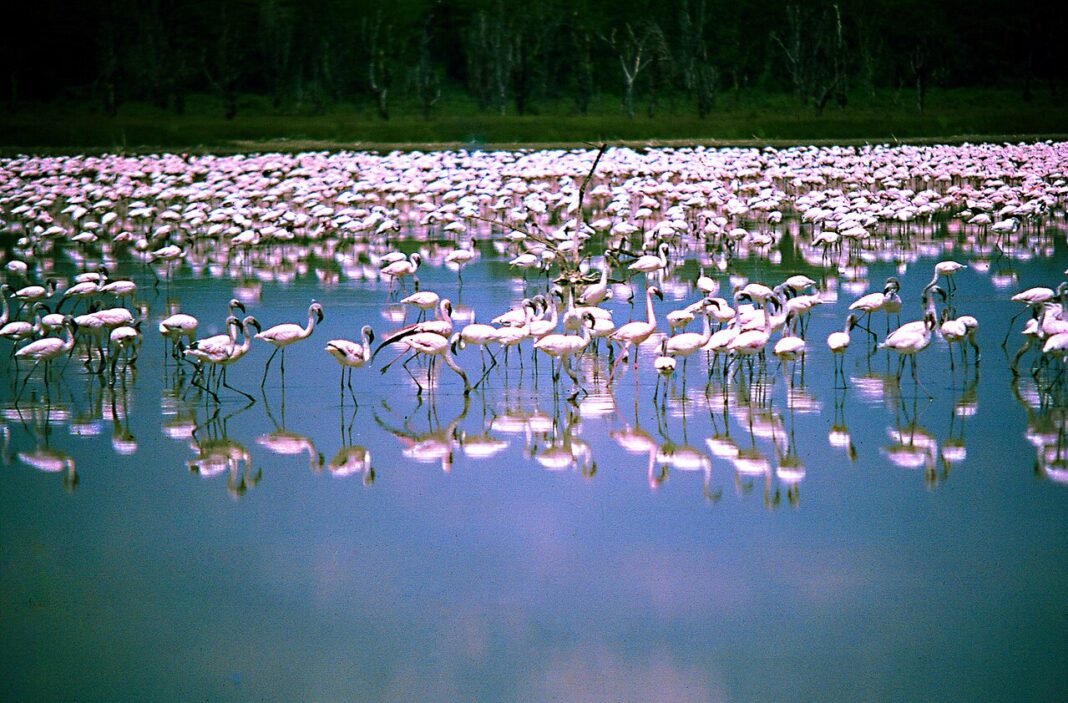
Wildlife depends on rivers, streams, and wetlands for their survival. They provide numerous species with food, shelter, drinking water, and breeding grounds. Amphibians reproduce in wetlands and seasonal pools, whereas fish complete their life cycles in moving water. Mammals frequently rely on riverside vegetation for food and protection, and birds and other animals use riparian corridors as nesting sites and migratory routes. Complex ecosystems far beyond their banks are supported by rivers like the Colorado and the Rio Grande in the western United States. In otherwise dry landscapes, cottonwood forests, marshes, and riparian woodlands provide valuable habitat. Birds, insects, reptiles, and mammals can live in these environments, which also help stabilize riverbanks and improve water quality. When water levels decline or wetlands disappear, the consequences spread throughout the food web. Fish populations may decrease, nesting grounds may be lost, and animals may be compelled to travel further for water and food. Therefore, the loss of a wetland can result in the breakdown of an entire ecological relationship network as well as the loss of a small portion of the landscape.
Climate Change and the Growing Water Crisis
The availability of water is changing in many western landscapes as a result of climate change. In many regions, rising temperatures have an impact on the snowpack, accelerate snowmelt, increase evaporation, and intensify drought. Changes in the quantity and timing of runoff can have an impact on wildlife that is further downstream because many western rivers are dependent on mountain snowmelt.
Warmer water can make it harder for fish to find a home and put them under more stress in their bodies. Access to spawning grounds may be restricted by lower river flows, and populations may be isolated in pools that are not connected. Additionally, aquatic insects, which provide fish and birds with a vital source of food, may be affected by these conditions.
Wildlife that lives on land faces similar difficulties. Animals may congregate around diminishing water sources during prolonged droughts, resulting in increased competition and altered movement patterns. Wildlife must navigate roads, agricultural land, and developed land in some landscapes to reach remaining water sources.
Drought isn't the only issue, though. Flooding and heavy rainfall can also alter river channels, wash away nests, and damage habitats. The bigger problem is that wildlife has evolved to rely on seasonal rhythms, which can be disrupted by changing water patterns.
Human Activities and the Pressure on Freshwater Ecosystems
Another major factor putting pressure on wildlife is human demand for water. Numerous rivers and wetlands have been altered as a result of agriculture, urban development, industrial use, and water infrastructure. Dams can alter the temperature and sedimentation patterns of rivers, disrupt fish migration, and alter natural flows. Diverting waterways can reduce the amount of freshwater that reaches habitats downstream.
The issue is further complicated by pollution. Untreated wastewater, pesticides, agricultural runoff, and industrial waste all have the potential to harm aquatic ecosystems. Algal blooms may be caused by excessive nutrients, which can lower oxygen levels and pose a threat to fish and other aquatic organisms.
Rarely do these pressures operate independently. Reduced flows may weaken a river's resistance to pollution and rising temperatures. Therefore, a strategy that takes into account the entire watershed—from mountain headwaters to wetlands and communities downstream—is necessary for wildlife protection.
Conservation: Restoring the Balance Between Water and Wildlife
Conservation efforts provide significant opportunities to safeguard freshwater ecosystems in spite of these obstacles. Wildlife recovery and ecosystem resilience can be enhanced by restoring wetlands, reconnecting rivers with their floodplains, safeguarding streamside vegetation, and ensuring adequate environmental flows.In the American West, Indigenous communities, farmers, scientists, conservation groups, and local governments can collaborate on watershed management. Water stewardship and ecological responsibility can benefit from indigenous knowledge that has been developed through long-term relationships with specific landscapes.
Community water conservation is also important. Sustainable urban water planning, responsible groundwater management, pollution prevention, and more effective irrigation can all help alleviate pressure on wetlands and rivers. When supported by long-term monitoring and decisions based on ecological requirements, these measures perform best.
Water use by humans cannot be eliminated through conservation. Recognizing that wildlife populations and healthy rivers are both a part of the same interconnected system that supports human life is necessary.
Conclusion: Protecting Water Means Protecting Life
The future of wildlife is inseparable from the future of water. Every river, stream, and wetland is a living network that connects landscapes, sustains biodiversity, and supports ecosystems.
Protecting these environments requires more than just short-term solutions as freshwater pressures increase. It calls for careful water management, habitat restoration, scientific research, community collaboration, and all of these things.
The degree to which rivers continue to flow, wetlands continue to thrive, and wildlife continues to be able to survive and reproduce in their natural habitats are all indicators of successful conservation.
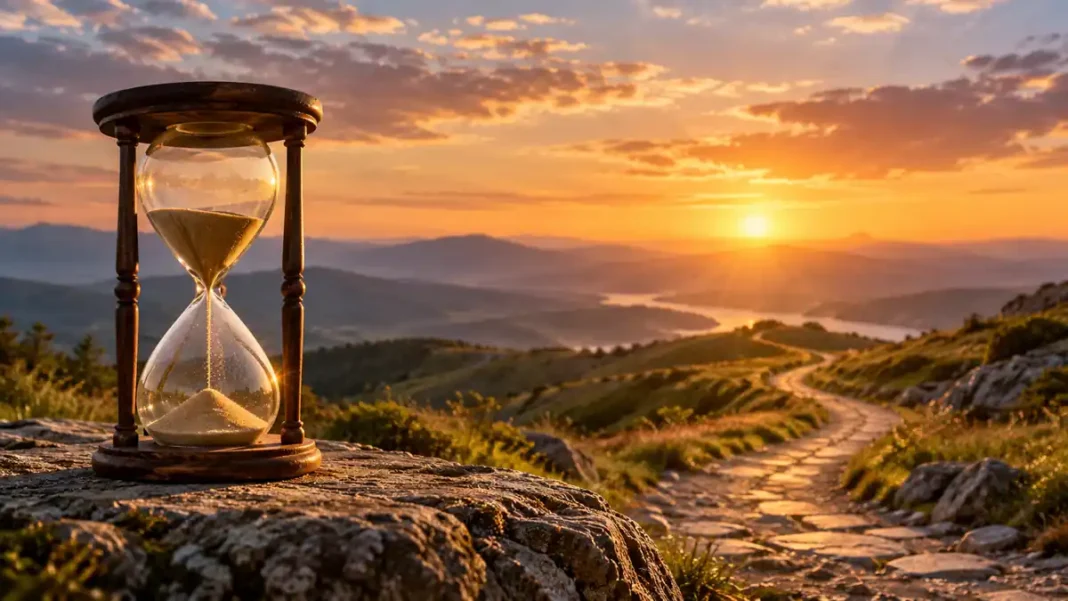
Wildlife has a chance to survive, and ecosystems have a rhythm thanks to water. One of the most important environmental responsibilities of our time is to protect this vital link.
Frequently Asked Questions
Why are rivers and wetlands important for wildlife?
They provide food, shelter, drinking water and breeding grounds. Amphibians reproduce in wetlands, fish complete their life cycles in moving water, and birds and mammals use riverside corridors for nesting and migration. When a wetland disappears, the whole food web around it can break down.
What threatens freshwater wildlife habitats?
Pollution, habitat destruction, climate change and excessive water consumption. Declining water levels and disappearing wetlands force animals to travel further for water and food, reduce fish populations and destroy nesting grounds.
How can water and wildlife be protected?
Through careful water management, habitat restoration, scientific research and community collaboration — treating flowing rivers and thriving wetlands as the measure of successful conservation.