Vance: US Iran Conflict Will Not Become Forever War
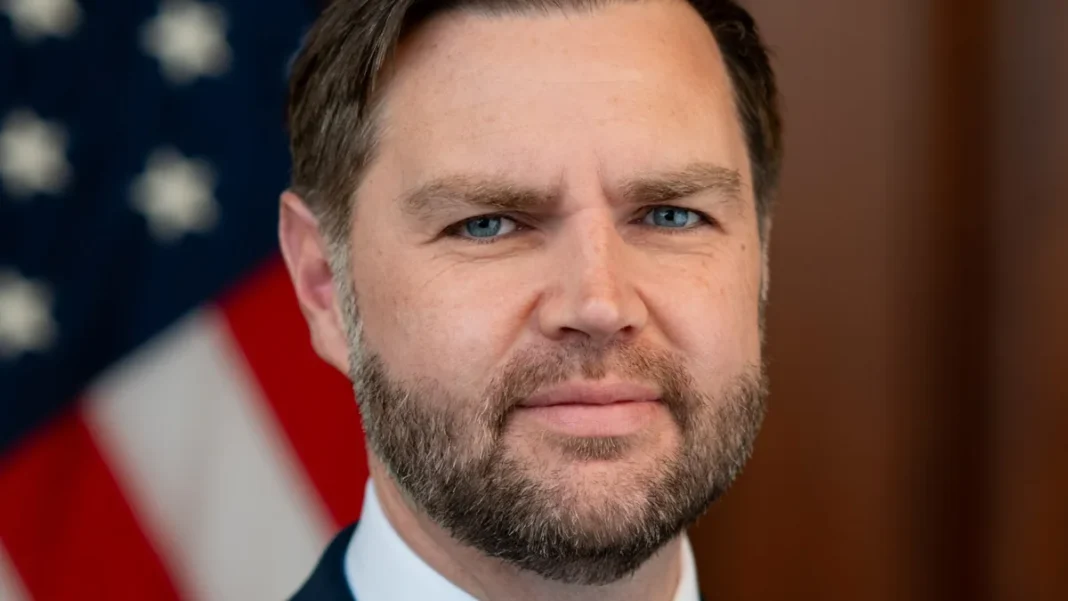
US Vice President JD Vance has said President Donald Trump will not allow the US Iran conflict to turn into a long war, and ruled out an American commitment stretching over years.
Speaking to Fox News on Monday, Vance said there was no gap between his view and the president’s on how the war should end. “My prediction is that whatever the president ultimately decides to do, there are going to be people who demand more, who want the war to go on indefinitely,” he said.
“What I feel quite confident about the president of the United States, and again, there’s no daylight here, is that whatever he ultimately decides to do, however he ultimately decides to bring the conflict to a close, he is not going to let this become a forever war,” Vance added.
Vance rules out a long US Iran conflict
Vance put a limit on how long the United States would stay. “We are not going to allow this to become a 10- or 15-year commitment, or frankly, even a two-year commitment,” he said.
He blamed “neoconservatives” and other critics who, in his words, want the United States to stay engaged for ever, against a promise to voters not to start another long overseas war.
Vance also said he was sure Trump would end the war with “great results” for the American people.
The political cost at home
The interview also covered the politics of the war at home. Vance accepted that the conflict had hurt Republicans after the 2026 midterm elections, mainly through fuel costs.
“Politically, yes, and I think the president himself has absolutely said this as well. There was a political cost: the higher gas prices, the higher energy prices,” he said.
He rejected claims of a split inside the administration, saying there was no disagreement among senior officials.
Vance also brushed off criticism linked to a memorandum of understanding on Iran, saying critics were using him as a stand-in target for attacks on Trump. “I’m happy to be a heat shield for the president of the United States,” he said.
Why the phrase “forever war” matters
“Forever war” is a phrase American politicians use for military campaigns that drag on for years with no clear end. It took hold after the wars in Afghanistan and Iraq, which lasted close to two decades and cost thousands of American lives and trillions of dollars.
Trump built part of his appeal on a promise to end such wars, and Vance’s interview restated it as the Iran conflict raises fears of a wider regional war.
A long war in the Gulf would also rattle oil markets and push up fuel prices around the world.
What it means for Pakistan
Pakistan has a direct stake in how long the conflict lasts. The country imports most of its fuel, so a spike in world oil prices feeds straight into petrol and diesel rates at home. Pump owners have already pressed for monthly fuel pricing as petrol stands at Rs328 a litre.
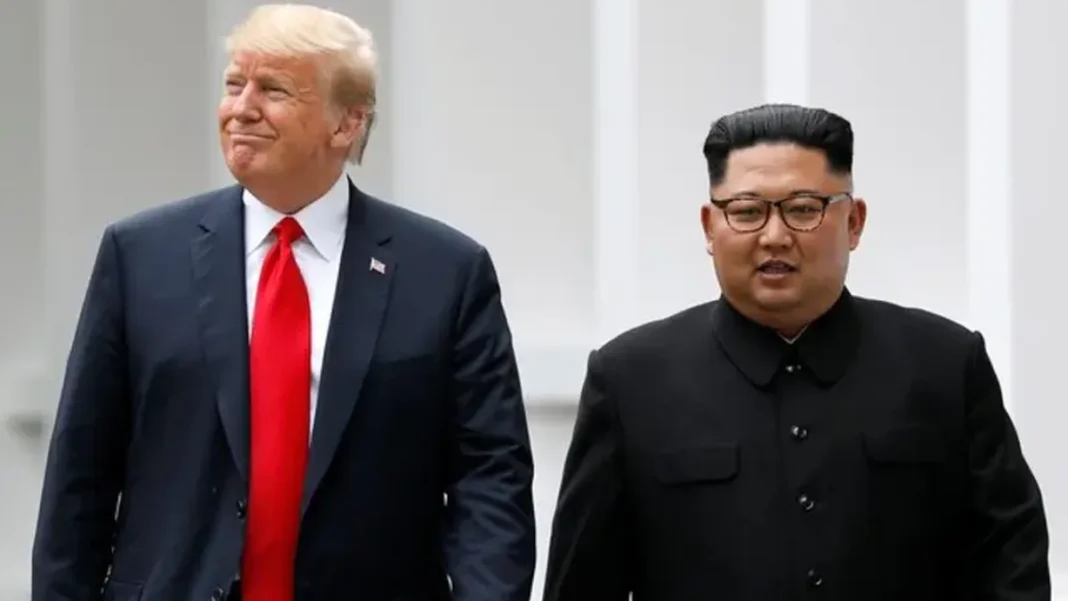
Islamabad has also kept up quiet diplomacy on the crisis. Iran has ruled out UN nuclear inspections as the war continues, and Pakistan has urged a negotiated settlement. Trump has also kept open the chance of talks with North Korea’s leader, a sign that diplomacy remains on the table even as fighting goes on. A planned trilateral summit with Xi Jinping and Vladimir Putin is also on the calendar.
For now, Vance’s message is that the White House wants a short war, not a long one.
Frequently asked questions
What did JD Vance say about the Iran war?
Vance said President Donald Trump will not let the US Iran conflict become a “forever war” and ruled out a commitment of 10 or 15 years, or even two years.
Did Vance disagree with Trump on Iran?
No. Vance said there was “no daylight” between him and the president on ending the conflict, and denied any split among senior administration officials.
What is a “forever war”?
It is a term for a military campaign that goes on for years with no clear end, a phrase that took hold after the long wars in Afghanistan and Iraq.
Has the war cost Trump politically?
Vance accepted that it had, pointing to higher fuel prices after the 2026 midterm elections.
Why does the war matter for Pakistan?
Pakistan imports most of its fuel, so higher world oil prices push up petrol and diesel rates at home.