SIFC Cement Plants: $700m for Seven New Units
The Special Investment Facilitation Council (SIFC) is preparing its first annual performance report, and seven SIFC cement plants worth about $700 million sit at the top of its project list.
The report will detail the investments the council has facilitated, the concessions offered to investors, and the progress made on major projects. An initial draft is expected to be completed next month, in December 2026, and the final version is due by March 2027.
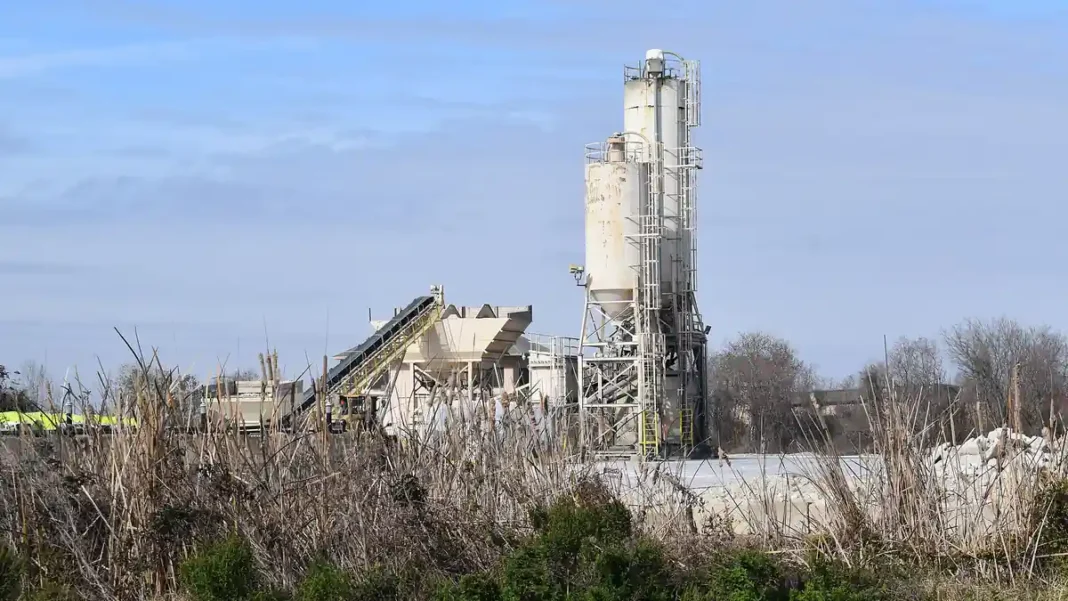
The SIFC cement plants carry an estimated investment of Rs193.5 billion. The figure comes from the council’s own project list, and it is the largest single investment item the council has highlighted so far.
SIFC cement plants: seven plants, Rs193.5 billion
The report is part of the government’s Economic Governance Reforms Agenda, which calls for a comprehensive disclosure mechanism covering the council’s investment activities and the implementation status of individual projects.
For the first time, the document will provide a consolidated account of investments facilitated by the SIFC since its establishment. It will distinguish between investment proposals, memorandums of understanding, financial commitments, and projects that have progressed towards implementation or commercial operations.
The proposed report is expected to clarify how many announced initiatives have translated into actual investments, how much capital has been deployed, which projects have achieved financial closure, and how many have entered construction or commercial operations.
The council has also highlighted several other investment initiatives across agriculture, minerals, energy, information technology, infrastructure, tourism and industrial sectors. Among them are the revival of the Sambrial to Kharian M-12 motorway project, a commercial shipbuilding initiative, and the establishment of a local Chromebook assembly line.
The reporting exercise comes amid the International Monetary Fund’s governance and corruption diagnostic assessment, which highlighted the need for stronger transparency and accountability in strategic investment decisions.
The approvals behind the figure
The $700 million figure is not new. The seven cement plants were first cleared in April 2026, when the SIFC removed long-standing regulatory hurdles in coordination with the Punjab government and other stakeholders.
The approvals were fast-tracked for seven companies: Flying Cement, Lucky Cement, Bhutta Cement, Asian Precious Minerals, Orient Cement, Dandot Cement and Maple Cement. The move was expected to boost domestic output, cut reliance on imports and expand export capacity, while creating jobs across manufacturing, logistics and energy.
Some of that has already happened. Lucky Cement completed an upgrade of its Karachi plant, raising its annual capacity by 300,000 tonnes to 5.35 million tonnes. The company’s total annual production capacity now stands at 15.6 million tonnes.
Demand is moving in the same direction. The All Pakistan Cement Manufacturers Association reported that total cement dispatches in fiscal year 2025-26 rose by 7.21 percent to 50.52 million tonnes, which points to stronger construction activity.
The question the new report must answer is how much of the $700 million has actually been spent, and how many of the seven plants have moved beyond approval into construction or production. That is the gap between an announcement and an investment, and it is the gap the report was designed to close.
Why the report matters
The SIFC was set up in 2023 to fast-track decisions on international investment in sectors such as tourism, livestock, agriculture and mines and minerals. Until now it has not published a consolidated account of what it has facilitated.
A report that separates proposals from memorandums, commitments from money deployed, and approvals from operating plants would let investors, businesses and the public judge the council on results rather than announcements. Exports have already set a record this year, and the government is pressing for export-led growth, so the cement figures will be read as a test of whether facilitation is turning into capacity.
The draft is due in December. The final report follows in March 2027. The fiscal backdrop is tight, and sugar millers are already asking for export permission on the back of a surplus, which shows how closely industry now watches each investment signal.
Frequently asked questions
What is the SIFC annual report?
The first comprehensive account of investments facilitated by the Special Investment Facilitation Council since it was set up. A draft is due in December 2026 and the final version in March 2027.
How much is going into cement?
About $700 million, or Rs193.5 billion, across seven cement plants.
Were the plants already approved?
Yes. The seven approvals were cleared in April 2026 after the SIFC removed regulatory hurdles. The report tracks what has happened since.
Which companies are involved?
Flying Cement, Lucky Cement, Bhutta Cement, Asian Precious Minerals, Orient Cement, Dandot Cement and Maple Cement.
What else is in the report?
The revival of the Sambrial-Kharian M-12 motorway, a commercial shipbuilding project and a local Chromebook assembly line, plus projects across agriculture, minerals, energy, information technology, infrastructure and tourism.