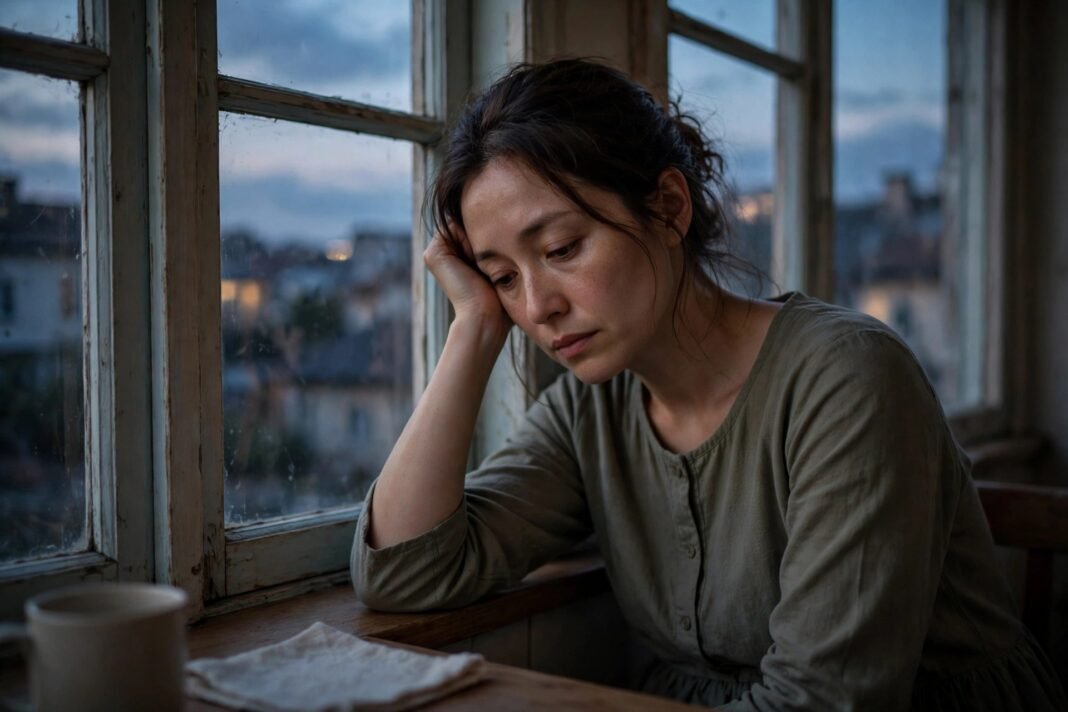

She was the girl with the big plan. She wanted to design buildings, or play on a big stage, or start a business of her own. Then, slowly, the plan faded. Girls giving up their dreams rarely make a loud announcement. Instead, the dream just gets smaller, year by year, until it is gone.
This is not a story about a lack of talent. Bright girls give up dreams all the time, and the reasons are rarely about ability. Family hopes, fear of failure, and the pressure to be practical all play a part. So this article looks at why it happens — and how a girl can hold on to what she wants.
Girls Giving Up Their Dreams: It Rarely Happens All at Once
A dream does not usually die in one big moment. It fades in small steps, and each step feels sensible at the time. A girl drops a subject she loves, because it feels risky. She skips an audition, because the timing feels wrong. She picks the safe course, because everyone says it is the smart choice. Each choice makes sense on its own, but together they close a door.
That is why the loss is so hard to name. Nobody told her to stop dreaming, so she cannot point to one moment. For example, she may still say she loves art, or music, or science. But her days no longer hold any of it. The dream becomes something she “used to want”, and that quiet shift is the real danger.
The Quiet Moment a Dream Starts to Shrink
There is often a small moment when a dream first shrinks. A teacher suggests a safer subject. A relative laughs at a big plan. A friend says the dream is unrealistic, and the words stay in her head. These moments seem small, but they add up. A girl starts to edit her dream before she even speaks it.
Research published in the journal Science in 2017 found that by the age of six, girls were already less likely than boys to describe their own gender as “really, really smart”. They were also less interested in games described as for very smart children. So the shrinking can start early, long before anyone notices. This early shrinking is often the first quiet step toward girls giving up their dreams. That is why early encouragement matters so much.
“Be Practical”: The Words That Steal a Dream
Few sentences sound as kind, and cost as much, as “be practical”. It usually comes from love. Parents want a safe future for their daughter, so they point her toward steady work. But “practical” can slowly become a cage. A girl learns to pick what is safe, not what she loves. And over time, she forgets she ever had a choice.
This is not about blaming parents. Most parents carry their own fears, and they want to protect their children. But protection can turn into pressure without anyone meaning it. If a girl hears “be practical” at every turn, she starts to believe her dream is a luxury. She may still succeed, but success without joy feels empty. A dream is not the opposite of a practical life — it can be the reason a practical life feels worth living. And when the pressure to be a good child shapes every choice, it is worth naming it for what it is.
Fear of Failure Feels Bigger Than the Dream
Many talented girls do not fear hard work. They fear failing in front of everyone. A big dream means a big risk, and the thought of falling short can feel unbearable. So they choose a smaller goal, because a smaller goal feels safer. But safety has a price. The girl who never tries never fails — and never finds out what she could do. That fear is one of the biggest reasons behind girls giving up their dreams.
Fear of failure also grows when a girl feels she must be perfect. If she has always been the clever one, the good one, the one who never disappoints, then a dream feels like a test she cannot afford to fail. For example, she may avoid applying for a course, a job, or a chance, because rejection would hurt too much. But rejection is part of every big dream. The girls who keep going are not fearless — they are willing to fail and try again.
When No One Around You Looks Like Your Dream
It is hard to dream of a life you have never seen. If no woman in a girl’s world has done what she dreams of, the dream can feel impossible. She may love science, but never meet a woman scientist. She may want to lead, but only see men in charge. So the dream stays in her head, because the world gives her no proof it is real.
International research shows the same pattern. The OECD’s PISA studies found that girls score as well as boys in science, yet far fewer girls expect to work in science careers. The gap is not about ability. It is about what girls see, what they hear, and what they believe is open to them. A single role model can change that picture. One woman who did it first can make a dream feel possible.
Girls Giving Up Their Dreams: The Cost Nobody Counts
When a girl gives up a dream, the cost is rarely counted. Nobody writes it down. She still studies, still works, still smiles. But something quiet leaves her life. She may feel bored, restless, or sad, without knowing why. She may do well in a safe career, yet feel like a stranger in her own life. That quiet emptiness is the real price of a lost dream.
The cost spreads further than one girl. Every lost dream is a lost idea, a lost book, a lost business, a lost voice. The world never knows what it missed, because the girl never got the chance to show it. So this is not only her loss. It is everyone’s loss. And that is why holding on to a dream matters far beyond one life.
How to Hold On to a Dream That Matters
Holding on to a dream does not mean ignoring real life. It means keeping the dream alive while life goes on. Start by naming the dream out loud, to yourself at least. Write it down. Say what you want, even if it sounds too big. A dream you cannot name is easy to lose, but a dream you name becomes something you can plan for.
Then break the dream into small steps. If you want to write, write one page a week. If you want to study, learn one new thing a month. Small steps beat big plans, because small steps actually happen. Also, find one person who believes in the dream. A teacher, a friend, a mentor — one voice of belief can outweigh many voices of doubt. Family pressure can shape more than career choices, too. If it reaches into bigger life decisions, our article on why parents push daughters to stay in unhappy marriages looks at that pattern honestly.
Small Steps That Keep a Dream Alive
A dream survives on small, steady habits. Keep a notebook for ideas, so the dream has a place to live. Set aside a little time each week, even if it is only an hour. Protect that time, because it is the seed of something bigger. And talk about the dream with people who take it seriously. A dream shared with the right person grows stronger. These small habits are the strongest defence against girls giving up their dreams.
Also, expect setbacks, and do not let one failure end the story. A rejection is not a verdict. A bad year is not a finished life. If the dream matters, it is worth a second try, and a third. And if the pressure at home feels too heavy, talk to someone outside the family — a teacher, a school counsellor, or a mentor you trust. You do not have to carry it alone. Support is not a sign of weakness. It is how strong girls stay strong. If the weight comes from always trying to please everyone, our guide on the pressure to be a good child may help you see it clearly.
Girls Giving Up Their Dreams: What Will You Choose?
Every girl reaches a point where she must choose. She can follow the safe path, or she can keep her dream alive. The safe path is not wrong. But a life without a dream of your own can feel strangely empty, even when it looks successful from the outside. Girls giving up their dreams is rarely a failure of talent. More often, it is a slow loss of time, support, and belief. So ask yourself what you want — not what is expected, but what you truly want.
Your dream does not need anyone’s permission to exist. It only needs you to keep it alive, one small step at a time. So what is the dream you have been quietly carrying? And what is one small step you could take this week? Tell us in the comments, because your dream might be the spark another girl needs.
This article is for general information only. It is not professional advice.