In short: We are taught that hard work alone decides who succeeds. Fehmeeda Lashari argues that in Pakistan the race does not begin at the same line: one child has trained teachers, quiet space and English at home, another shares a room with siblings and starts from zero. Rewarding merit is right, she writes, but only a fair system can tell merit apart from advantage.
We are taught to study hard, that only those who graduate with good marks will find good jobs. We are taught to be persistent since nothing is impossible for a willing heart. But what if it is not that simple?
The Illusion of a Level Field
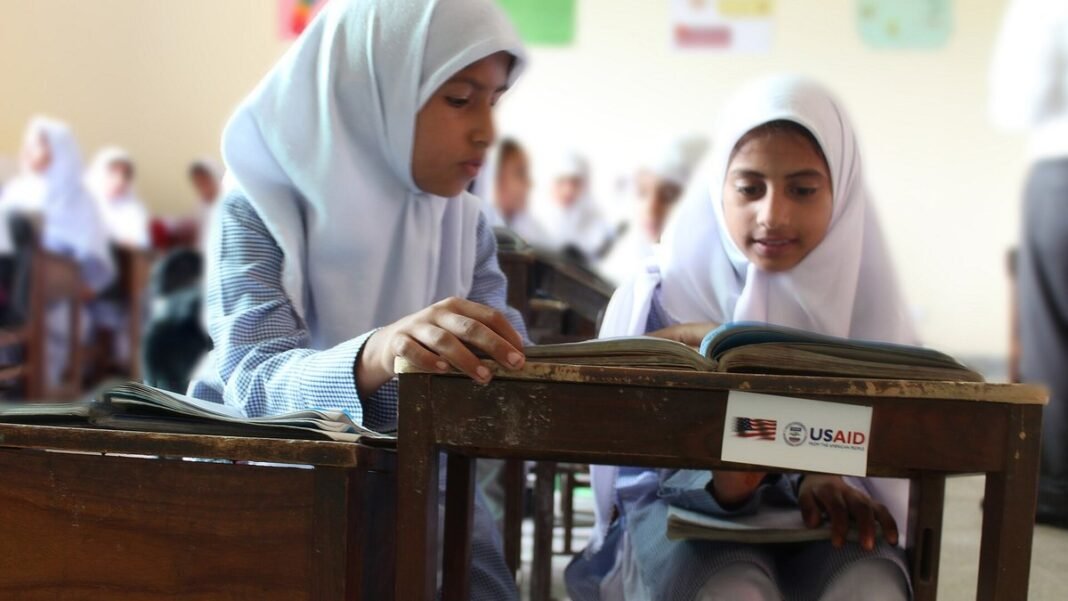
Meritocracy in Pakistan is associated with exams, degrees, qualifications. At first glance everything seems fair. However, not everyone has equal opportunities when it comes to education, career and even exams. If you are a privileged kid with excellent teachers, good food and a nice place to study, then you have more advantages than those who have to share their home with their siblings and don't have any opportunity to choose where to study. Even if two persons have same ability, their results can be totally different just because of where they live and how they live.
That does not mean that exams are pointless or that those who succeeded just got their degrees due to their connections. It means that there are things that should be equal for everyone that are not equal. There are many things in life where opportunities are not given on equal terms. Some kids already know English, some don't know at all.
Some have work experience and some are starting from zero.Many new graduates compete for a small number of jobs, however, those who have an advantage in terms of contacts or professional experience have a better chance of getting hired.
Effort Still Matters, But It Is Not the Whole Story
It is not wrong to reward excellence, to give bonuses for great grades and punish those who are not trying their best. But it's very naïve to say that it's all meritocracy. We can not blame the poor for being poor just because they could not study hard enough when they were kids, and praise the rich for their achievements just because they had more opportunities in life.
We must fix the system which rewards some and punishes others just because of their social status. The situation when people graduate from college with similar qualifications, however, one has an advantage on the job market due to their contacts, should be addressed. Chances should be for all, not only for rich people or for those who know someone inside. A fair country will not neglect its army of highly-educated young people just because they did not have enough money to receive proper education.
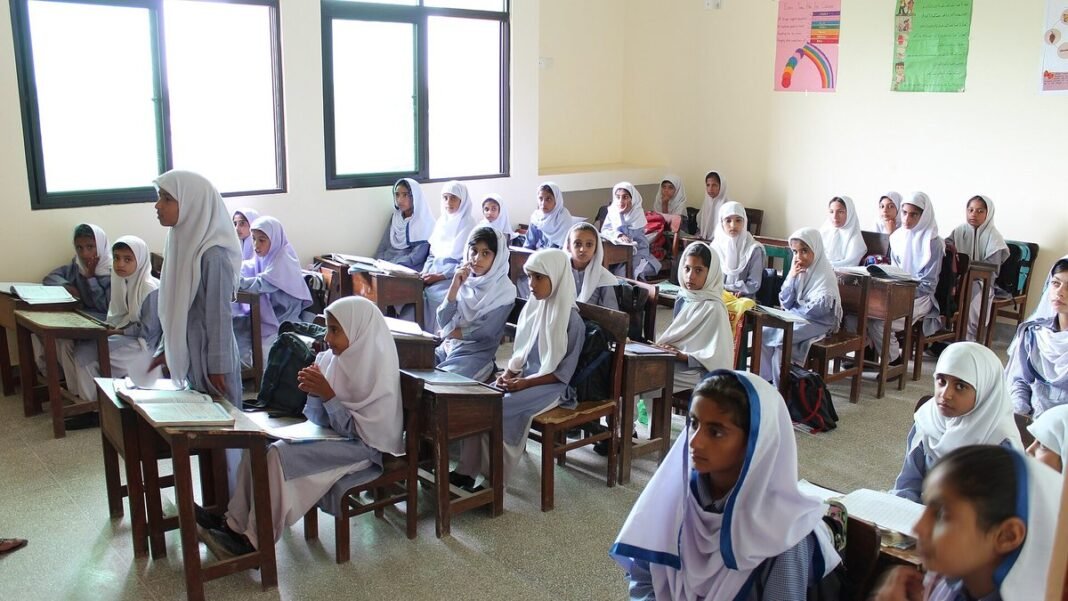
A fair country gives everyone a chance to show what they can do. And a fair exam should not ignore hardworking students just because they have less facilities. Pakistan must reform its education system by ensuring that public schools are well-equipped and students are provided with all necessary tools for learning. Opportunities for career advancement for young people from poor backgrounds should be available. Hiring should be fair in companies.
They should check what a person knows and can do, not just see if he has some reference or not. It is also important to value hard work, because at the end your future depends on your own effort. However, individual effort can not be rewarded if there are no opportunities. People must be responsible, however, society must ensure that there are opportunities for everybody.
Fix the Starting Line
Maybe it is this idea of merit that is stopping us from making Pakistan better. We blame poor performing students on their irresponsibility, whereas they could have been under pressure. We support rich students just because they could afford to pay for their exams, whereas they might not have worked hard enough.
It is not wrong to strive for excellence, to reward those who try harder. But it should be acknowledged that ability is formed under certain conditions, skills are developed when one has opportunity to gain them. Merit has no value when chance to learn skills or get experience is given to only some groups. We are not saying that excellent students should receive low marks just because they were born poor.
We are saying that an excellent student, who demonstrated their knowledge and skills on an exam should receive high marks regardless of their social background.
Frequently Asked Questions
What is the merit myth?
It is the belief that success is purely the result of individual effort. The article argues this ignores unequal starting points: quality of schooling, family income, language exposure, contacts and work experience all shape results before effort is even counted.
Does questioning meritocracy mean exams are pointless?
No. The article is clear that exams and excellence still matter, and high marks should go to the student who earns them. The point is that a fair exam should not quietly reward background instead of knowledge.
How can Pakistan make merit fairer?
By levelling the starting line: well-equipped public schools, learning tools for every student, career opportunities for young people from poor backgrounds, and hiring based on what a candidate knows and can do, not on references.
Related reading on Feature Pakistan: The Hope That Never Hired: Youth Unemployment in Pakistan by Hafsa Nazir and Degree: A Ticket to the Unemployment Queue? by Aniqa Tarique.
The views expressed in this article are the writer’s own and do not necessarily reflect the editorial policy of Feature Pakistan.