UN Nuclear Watchdog Says US-Saudi Deal Is Satisfactory
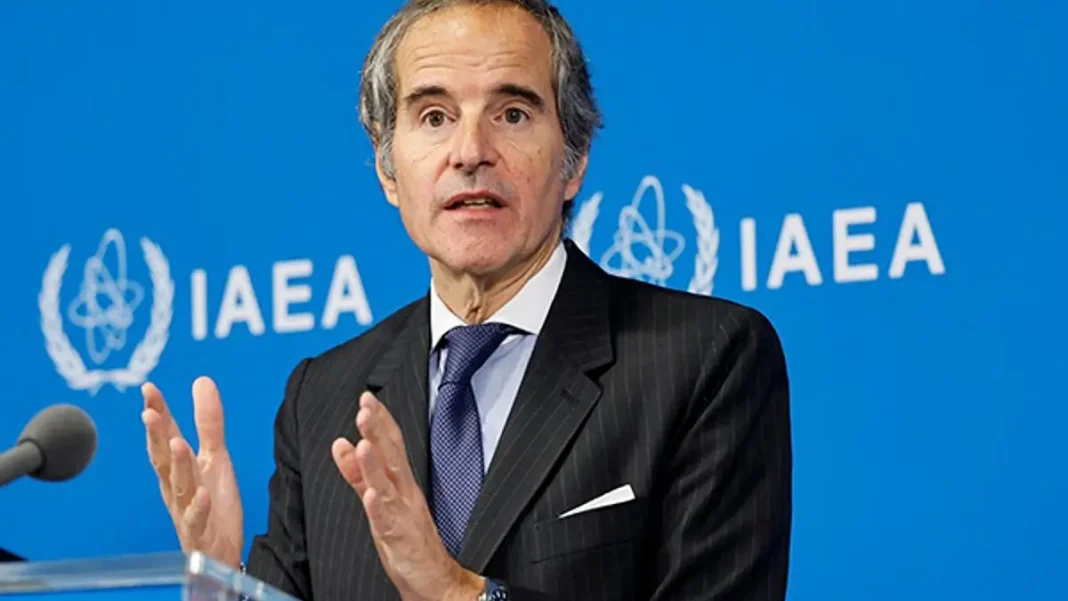
The head of the United Nations nuclear watchdog has welcomed the US Saudi nuclear agreement on a civilian nuclear programme for the kingdom, calling it a satisfactory outcome. Rafael Grossi, Director General of the International Atomic Energy Agency, spoke to reporters on Wednesday after opening a meeting of the agency’s Board of Governors.
“It’s a very satisfactory outcome that we have with this agreement,” Grossi said. The deal was announced in July and has raised questions about the risks of nuclear proliferation. Grossi said the agreement was “fully aligned with the legal framework that we have at the IAEA”.
What the US Saudi nuclear agreement covers
The agreement is formally titled the Agreement for Cooperation Concerning Peaceful Uses of Nuclear Energy. Under its terms, the IAEA will receive information about, and access to, Saudi sites for conversion, enrichment, fuel fabrication and reprocessing. The terms also cover research and development and the manufacture of nuclear-related equipment in Saudi Arabia.
Grossi told the board that the United States and Saudi Arabia asked the agency in October to take the necessary steps to put safeguards and verification measures in place. He said Saudi Arabia had also agreed to additional verification measures on a voluntary basis.
“I welcome the open, transparent approach and engagement of both governments with member states and the secretariat on this matter,” Grossi said in his opening statement to the board. He added that the agreement would not affect the rights and duties of the agency and Saudi Arabia under the Comprehensive Safeguards Agreement.
Why the deal has drawn questions
US media have said the agreement would allow Washington to export technology without the usual safeguards that stop future military use. That reporting sits behind the questions about proliferation risks that have followed the deal since July.
The political setting is also part of the story. US President Donald Trump said just after the agreement was signed in July that the deal depended on Saudi Arabia recognising Israel.
Grossi gave a clear answer on the agency’s role. Once nuclear power development gets under way in Saudi Arabia, “we will be there,” he said.
How the safeguards will work
Safeguards are the IAEA’s checks on nuclear material and sites. In this case the agency will get data on, and entry to, the sites named in the agreement, and it will apply added checks that Saudi Arabia accepted of its own accord. The board statement notes that no costs will arise in the current two-year period for applying these measures.
The contrast with Iran is sharp. Iran has ruled out UN nuclear inspections until the war ends, a stance that leaves the agency without the access it seeks there. The United States has offered a $20 million reward for tips on Iran’s nuclear programme, while experts have said the risk to Pakistan from an Iran strike is low.
Pakistan has urged de-escalation in the Gulf at the UN Security Council, and a Makkah defence alliance meeting is set for Islamabad in November, a sign of how closely Pakistan follows Gulf security questions.
Frequently asked questions
What did the IAEA say about the US-Saudi nuclear agreement?
Director General Rafael Grossi called it “a very satisfactory outcome” and said it was “fully aligned with the legal framework that we have at the IAEA”.
When was the deal announced?
The agreement between the United States and Saudi Arabia was announced in July 2026. It covers a civilian nuclear programme for the kingdom.
What access will the IAEA get in Saudi Arabia?
The agency will receive information about, and access to, sites for conversion, enrichment, fuel fabrication and reprocessing, as well as related research and equipment work.
Did Saudi Arabia agree to extra checks?
Yes. Grossi said Saudi Arabia had agreed to additional verification measures on a voluntary basis, on top of the safeguards in the agreement.
What did Donald Trump say about the deal?
Just after the agreement was signed in July, President Trump said the deal depended on Saudi Arabia recognising Israel.