



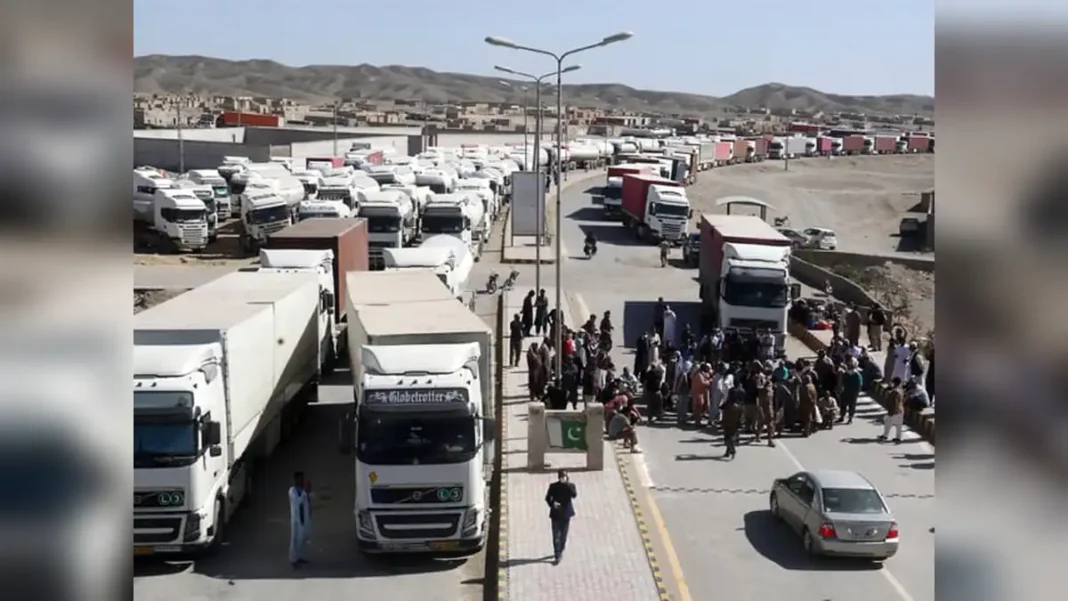
Iran Pakistan Trade Deal Nears Final Stage
The Iran Pakistan trade deal is close to being finalised after years of discussion, with the first phase expected to start before the end of this year.
Mehrdad Siyadat-Nasab, deputy director of the East Asia and Subcontinent Office at the Iran Trade Promotion Organization, told the Islamic Republic News Agency (IRNA) on Saturday that the agreement has reached its final stage. Negotiations have concluded, he said, and both sides have exchanged lists of the goods the deal will cover.
Iran hopes to put the first phase of the agreement into effect before the year ends. Once in force, it could lift bilateral trade well past its current level by cutting customs costs on both sides.
The Iran Pakistan trade deal: what it covers
Under the agreement, customs tariffs on a major part of Iran’s exports to Pakistan will fall to zero. Iran will, in return, consider tariff concessions on some Pakistani exports.
Iran’s main exports to Pakistan are petrochemical products, liquefied gas, steel, tiles and ceramics. Siyadat-Nasab called for wider cooperation in industry, agriculture, mining and technical and engineering services.
He said Pakistan’s ports, private sector and logistics network will be central to growing trade between the two neighbours.
Trade could pass $10 billion
Formal and informal trade between Iran and Pakistan now stands at about $6 billion, Siyadat-Nasab said. Given the room for growth on both sides, he added, the figure could pass $10 billion.
He noted that part of Iran’s imports from Pakistan used to pass through the Jebel Ali port in the United Arab Emirates, and was never recorded in official bilateral trade figures. That gap, he said, means the real volume of trade is already larger than the published numbers suggest.
A 2024 report by an Islamabad think tank put Iran’s 2022 exports to Pakistan at $1.48 billion, mostly petroleum and electricity. Pakistan’s exports to Iran in the same year stood at $842 million, including medical tools and iron pipes.
What it means for Pakistani buyers
Zero duties could make Iranian LPG, steel and tiles cheaper for Pakistani buyers. For households and builders, lower prices on gas and building materials would be a direct gain.
At the same time, local producers of the same goods will face tougher competition. Pakistani makers of steel, tiles and ceramics will have to compete with duty-free imports from across the border.
A long road to the deal
The agreement has been a long time coming. In August this year, the two countries agreed to raise bilateral trade to $10 billion, after pledging in 2024 to finalise the free trade agreement quickly.
The 10th session of the Pakistan-Iran Joint Trade Committee met in Islamabad from August 3 to 5. Commerce Minister Jam Kamal Khan co-chaired the meeting with Iranian Industry, Mine and Trade Minister Mohammad Atabak.
Atabak described Pakistan as a long-term strategic trade partner and said Tehran wanted to build trade and logistics cooperation through Pakistan’s Karachi and Gwadar ports. Jam Kamal Khan called for the agreement to be finalised at the earliest opportunity and for barriers slowing border logistics, customs procedures and cargo movement to be removed.
Trade under sanctions pressure
The deal is being finalised while Washington keeps up pressure on trade with Iran. The United States has set up a task force, Iron Gate, to block Iran’s land trade, and it has tightened its blockade on Iranian oil transfers at sea.
That pressure is one reason formal trade figures understate the real flow of goods. With some trade passing through third-country ports such as Jebel Ali, the published $6 billion figure captures only part of the business done between the two countries.
Pakistan, meanwhile, is pushing to grow its exports on other fronts. Textile exports rose 6.35% in July-October, seafood exports jumped 34%, and Foreign Minister Ishaq Dar has been reviewing Pakistan’s GSP+ trade status with the EU ahead of key milestones. The Iran deal, if it goes through as planned, would add another channel to that export push.
Frequently asked questions
What is the Pakistan-Iran free trade agreement?
It is a proposed deal to cut customs tariffs between the two countries, with tariffs on a major part of Iran’s exports to Pakistan falling to zero and concessions on some Pakistani exports in return.
When will the first phase start?
Iran hopes to implement the first phase before the end of this year. Negotiations have concluded and both sides have exchanged lists of the goods the deal will cover.
How much do Iran and Pakistan trade now?
Trade stands at $6 billion. Officials say it could pass $10 billion once the agreement is in force.
What will get cheaper under the deal?
Iranian LPG, steel, tiles and ceramics could become cheaper for Pakistani buyers once duties fall to zero, though local producers will face tougher competition.
Why does the published trade figure understate the real flow?
Part of Iran’s imports from Pakistan used to pass through the Jebel Ali port in the United Arab Emirates and was never recorded in official bilateral trade figures, so the real volume of trade is already larger than the published numbers suggest.


