Punjab Land Reforms Reach 90% Progress
Punjab land reforms have reached a new milestone, with the World Bank-financed Punjab Urban Land Systems Enhancement (Pulse) project reporting 90 per cent physical progress. The project has recorded 69.9 million land rights in its digital system, well above its target of 50.7 million, and nearly a third of those rights stand in women’s names.
The project’s progress report says all work should finish by its closing date in June 2027. Approved in 2022 with financing of $150 million, the scheme aims to build a single land registry linked to digital cadastral maps, covering urban and rural areas across Punjab.
Punjab land reforms: the figures so far
Updated digital cadastral maps now cover around 86 per cent of Punjab. About 31 million person-based land records have been converted into parcel-based records, tying each right to a defined piece of land rather than to a name alone.
Of the province’s 6,014 revenue villages, known as mauzas, 5,805 have been digitised and notified. A further 27 await notification, while work remains in 182 villages.
The project covers more than 24.4 million landowners. Under its mass partition drive, 495,163 of the 1,747,071 jointly owned land holdings eligible for division have been split, creating around 1.18 million new parcels. Of these, 94,833 have been registered in women’s names.
The Green Property Certificate survey has received 46,626 applications. Field teams have completed 37,272 assessments, approved 23,280 cases and issued 54,694 certificates. It has also filled 346 positions across its management units.
As of October, disbursements stood at around $91.84 million, or 61.8 per cent of the total credit.
What digitised records mean for landowners
For most landowners, the value lies in the record itself. In Punjab, unclear titles and overlapping claims feed a large share of civil disputes, and families can spend years in court over a single plot. A parcel-based record, tied to a surveyed map, makes it harder to sell the same land twice and easier to prove who owns what.
The women’s figures matter for the same reason. Around 31 per cent of the recorded rights stand in women’s names, and nearly 95,000 of the newly created parcels have been registered to women. In a province where women often hold land in practice but not on paper, a formal record is the first step towards using that land as security for a loan or passing it on without a dispute.
The Green Property Certificate adds another layer: a verified document for a property, which banks and buyers can check against the digital record. That matters most in fast-growing towns around Lahore, Faisalabad and Rawalpindi, where land changes hands quickly.
Where the Pulse project stands
The project is now in its final stretch. With 90 per cent of the work done and disbursements past 60 per cent, the remaining task is to finish the last 182 mauzas and close out the mass partition drive.
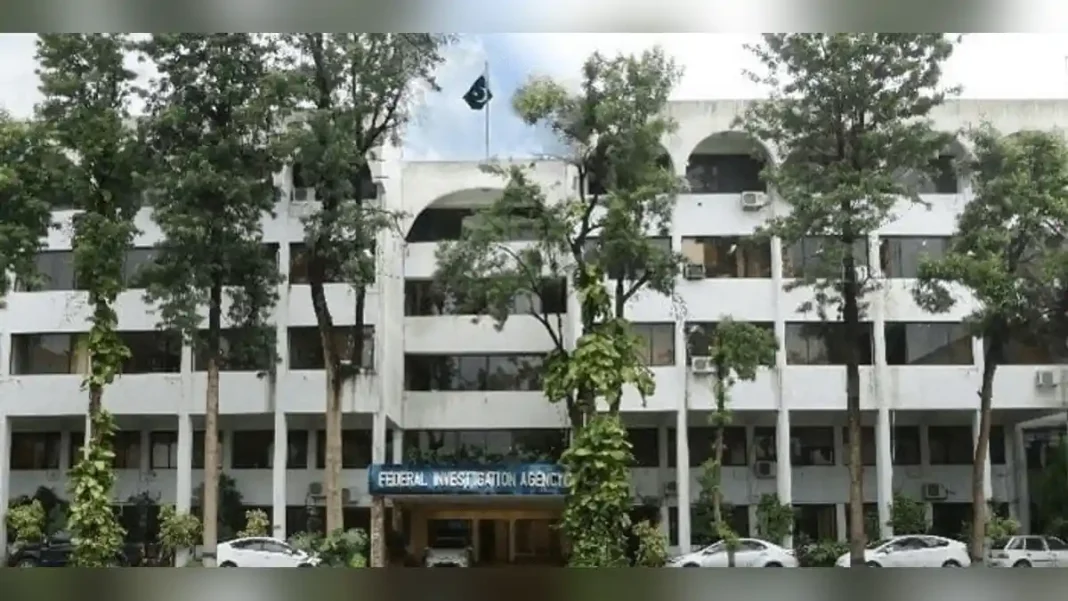
The Punjab Board of Revenue, which runs the province’s land records, sits at the centre of the work. Its field staff carry out surveys, verify claims and issue the certificates feeding the digital system.
The pace of the work also reflects a wider push in Punjab to move public services online. Lahore’s water agency has moved to smart meters as part of the same digitisation drive, while village councils are being given a formal role in settling local disputes before they reach the courts.
The wider land challenge in Punjab
Punjab has a population of around 110 million, of which 36.7 per cent lives in urban areas. Urban growth is driven largely by migration, with 60 per cent of recent migrants to the province’s urban centres coming from villages.
The pressures that follow include air pollution, contaminated drinking water, untreated wastewater, weak solid waste collection and the spread of cities over prime farmland. The report also points to water-borne disease, unequal access to basic services, weak transparency and low public satisfaction with service delivery.
Government agencies lack up-to-date information about public land for housing and other development projects. Land acquisition can take up to five years on average, a delay that holds back housing schemes and other public works.
If the Pulse registry works as planned, it should cut that delay. A single, trusted record would let the government identify public land quickly and let buyers check a title before they pay. The test will come after June 2027, when the project closes and the system must run on its own.
Frequently asked questions
What is the Pulse project?
Pulse stands for the Punjab Urban Land Systems Enhancement project. It is a World Bank-financed scheme, approved in 2022 with $150 million in funding, to build a single land registry for Punjab linked to digital cadastral maps.
How many land rights has it recorded?
The project has recorded 69.9 million land rights in its information system, against a target of 50.7 million. Around 31 per cent of the recorded rights stand in women’s names.
How many villages have been digitised?
Of Punjab’s 6,014 revenue villages, 5,805 have been digitised and notified. A further 27 have been submitted for notification, while work remains in 182 villages.
When will the project finish?
The progress report says all activities are expected to be completed by the project’s closing date in June 2027.
What is a Green Property Certificate?
It is a verified certificate for a property, issued after a field assessment against the digital land record. The survey has received 46,626 applications and issued 54,694 certificates so far.