Medicine Prices in Pakistan Soar Up to 99%
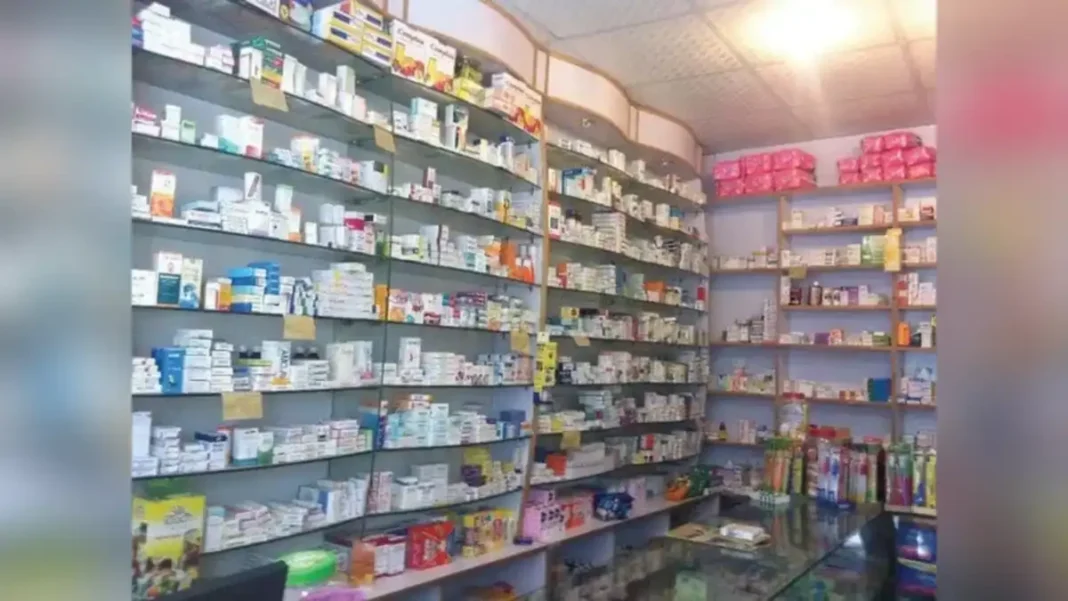
Medicine prices in Pakistan have risen by up to 99% since the government deregulated prices of non-essential drugs, a new study by the Competition Commission of Pakistan (CCP) has found.
The study found that pharmaceutical firms raised the prices of eye treatment medicines by up to 99.3%. Prices of skincare medicines rose 77.9%, while minerals and multivitamins went up 64.8%.
The government deregulated the prices of non-essential medicines in February 2024 and let drug makers set prices in line with market conditions. Prices of essential medicines, listed in the National Essential Medicines List, remain regulated under the Drug Regulatory Authority of Pakistan’s Drug Pricing Policy 2018.
The commission said it did not favour reversing deregulation. It called instead for continued monitoring and targeted investigations into unusual price rises, along with a public registry of medicine price changes.
What the study found
The study, titled “Deregulation and its Impact on Pharmaceutical Prices in Pakistan: An Empirical Investigation from 2023-26”, examined 822 non-essential medicines. The Express Tribune reported the study’s findings on Tuesday. It found that 85.6% of them had become costlier, around 14% were unchanged and only 0.2% had become cheaper.
The rises were steep for many products. Nearly a third of the medicines studied, 257 products or 31.3%, recorded price increases of more than 50%. Another 63 products, or 7.7%, rose by more than 100%.
The increases varied sharply by treatment area. Fertility medicines rose 7.5%, diabetes and endocrinology medicines increased 23.6%, and neurology and psychiatry medicines rose 24.7%.
The commission said the cumulative median increase was 33.9% between 2023 and 2026. That figure was below the overall inflation rate during the same period, it said, and average price increases were not unusual.
Median medicine prices rose 14.3% in 2023-24, 11.4% in 2024-25 and 5.2% in 2025-26. Consumer price inflation stood at 29.2% in 2023, 23.4% in 2024, 4.5% in 2025 and 6.2% in the first quarter of 2026. Feature Pakistan reported that Pakistan met the International Monetary Fund’s fiscal conditions, a backdrop to the inflation figures cited in the study.
Which companies raised prices most
Among products that recorded price rises of more than 50%, GlaxoSmithKline accounted for 32 products. Martin Dow Marker followed with 22, Abbott with 17, Searle and Novartis/Nouveau with 16 each, and Sami Pharmaceuticals with 15.
The study began on June 3, after the Senate Secretariat recommended it on May 13, 2026. The commission wanted to test whether pricing after deregulation reflected competitive market conditions or possible cartelisation.
It used yearly price data from the first quarter of 2023 to the first quarter of 2026. The research covered 500 of the best-selling pharmaceutical brands, identified through the Drug Regulatory Authority of Pakistan’s National Pharmaceutical Pricing Survey 2025-26, and examined 822 non-essential products using data from Pharmaguide Systems.
What the CCP wants now
The commission proposed a public registry of medicine price changes. Companies would have to inform the regulator whenever they revised prices, and the Drug Regulatory Authority of Pakistan would publish the changes in a centralised database so consumers could track prices over time.
It also said the regulator should measure price rises against actual inflation and ask manufacturers to explain any increase above set thresholds. “This will help identify unusual price adjustments,” the commission said.
Targeted investigations should focus on medicines with limited alternatives or only a small number of suppliers, it said. Such reviews should examine manufacturing and import costs, exchange rate movements and the number of competing brands to establish whether higher prices reflect increased costs or limited competition.
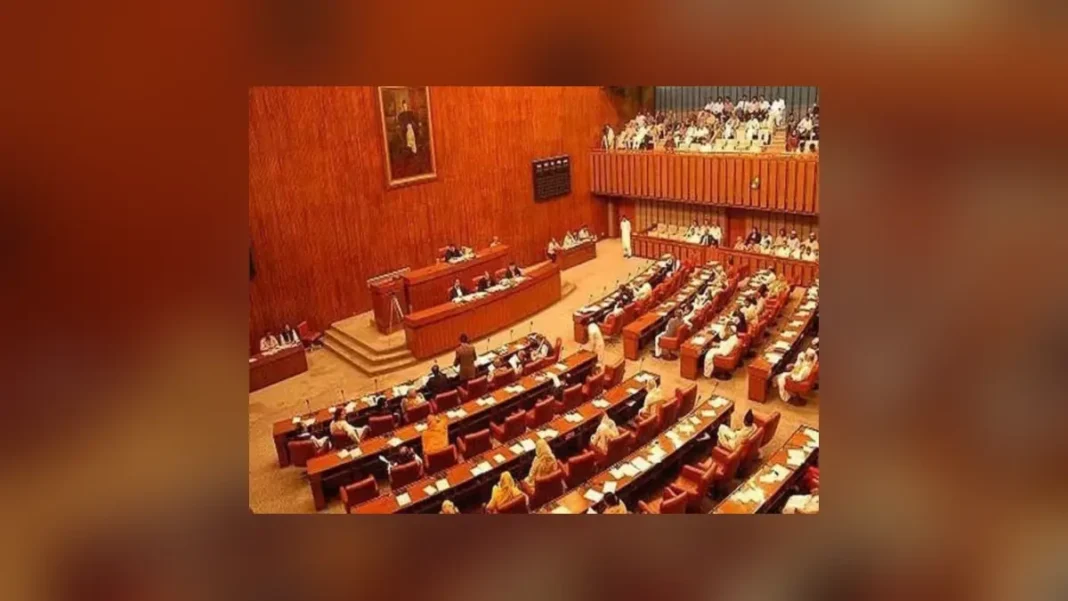
Parliament has acted on health regulation before. Feature Pakistan reported that a Senate panel ordered a ban on formula milk advertising, and reported that the Drug Regulatory Authority of Pakistan launched the Mehfooz Dawa app to help people verify medicines.
What higher medicine prices in Pakistan mean for patients
Pakistan’s pharmaceutical sector serves a population of around 250 million and has about 690 active local and multinational companies. Around 85% of finished medicines are made in the country, but nearly 95% of raw materials are imported.
That dependence on imports leaves medicine prices exposed to exchange rate shifts and global supply costs. The commission’s own data shows the pressure has eased since the sharp rises of 2023 and 2024, with the median increase falling to 5.2% in 2025-26.
Even so, the study shows how far prices have moved for ordinary buyers. With more than four in five non-essential medicines costlier than before deregulation, patients now pay more for many everyday treatments.
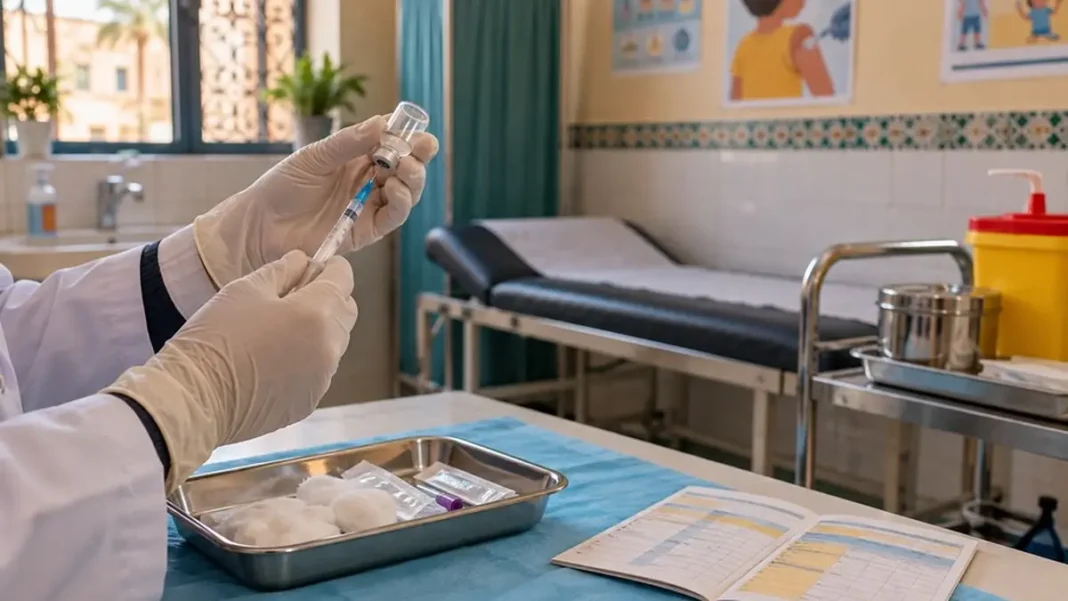
Feature Pakistan reported on a medicines scam at Sahiwal Teaching Hospital, and reported on a flu vaccine shortage in Islamabad.
Frequently asked questions
How much have medicine prices risen in Pakistan?
The Competition Commission of Pakistan found prices rose by up to 99% after deregulation, with eye treatment medicines up 99.3% and 85.6% of the 822 non-essential medicines studied becoming costlier.
When were medicine prices deregulated?
The government deregulated prices of non-essential medicines in February 2024. Prices of essential medicines remain regulated under the Drug Regulatory Authority of Pakistan’s Drug Pricing Policy 2018.
What did the CCP recommend?
The commission recommended continued monitoring, targeted investigations into exceptional price rises and a public registry of medicine price changes, rather than reversing deregulation.
Which medicines rose most?
Eye treatments rose up to 99.3%, skincare medicines 77.9% and minerals and multivitamins 64.8%. Fertility medicines rose least among the categories listed, by 7.5%.
How many medicines were studied?
The study examined 822 non-essential medicines and 500 of the best-selling pharmaceutical brands, using price data from the first quarter of 2023 to the first quarter of 2026.