UNDP Eyes Investment in Pakistan Climate Projects
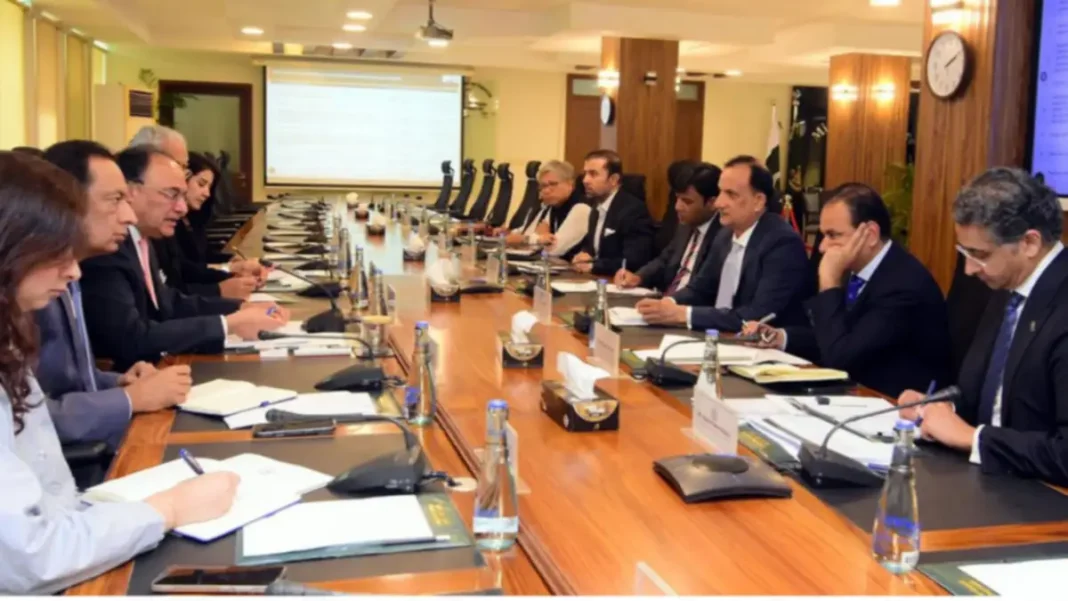
Pakistan climate projects are in line for investment as the United Nations Development Programme (UNDP) examines a pipeline of climate and development work, after its delegation met Finance Minister Muhammad Aurangzeb in Islamabad to discuss development priorities, climate finance and closer work with development partners.
The UNDP team, led by Resident Representative Samuel Rizk, set out a portfolio of possible investments drawn from national development and climate priorities. The aim is to turn plans into projects that investors can fund.
The Tribune reported the meeting on Friday, November 27.
What Pakistan climate projects are in the pipeline
The portfolio brings together projects from the SDG investment pipeline, climate prosperity plans and other climate adaptation work. It covers clean energy and infrastructure, climate resilience, water and food security, and circular economy projects.
The UNDP said the portfolio could serve as a starting point for finding investment openings and mobilising resources. The talks focused on picking technically sound projects that are ready for investment and able to show clear results within a shorter time.
The UN body set out the support it can offer: refining the portfolio, carrying out a diagnostic assessment, helping prepare projects, and engaging with global climate financing channels. The talks also covered blended finance and public-private partnerships, with renewable energy, waste management, recycling and climate-smart agriculture among the areas named.
The minister’s line
The finance minister stressed that the work must match national priorities and produce concrete development results. He said the next phase should focus on a carefully chosen set of projects with clear paths to delivery and the potential to show timely progress.
He added that climate finance needed a coordinated approach to project design, funding and delivery. He underlined the need to speed up projects already under consideration by multilateral development partners.
Why climate finance matters now
The meeting comes at a point when Pakistan’s climate funding needs are pressing. The country ranks among those most exposed to climate risk, and the cost of weather shocks keeps rising. UNDP itself warned in November that the cost of El Nino could double to $73 billion. That warning shows why adaptation funding, not only relief after disasters, has become central to planning.
Global climate talks have also stalled. The COP31 talks in Antalya collapsed after countries failed to agree on the future of fossil fuels. Sindh raised a climate justice call at the same summit, pressing the case of provinces that bear the worst of floods and heat. With the global talks stuck, country-level pipelines like the one UNDP is shaping with Pakistan carry more weight.
Development finance is already moving in that direction. Sindh signed a $100 million IFC credit guarantee deal this week to back public-private partnership projects. The UNDP portfolio follows the same logic: pick projects that are ready, match them with funders, and use public money to draw in private capital through blended finance.
Blended finance matters because climate projects often need long payback periods and carry risks private investors will not take alone. Public and concessional funds can absorb part of that risk, which makes the rest of the funding easier to raise.
What happens next
The practical test will be whether the portfolio moves from a list of ideas to funded projects. The UNDP diagnostic assessment and project preparation work is meant to close that gap. The minister’s call for a small set of projects with clear delivery paths points the same way: fewer, better-prepared proposals that can reach funders quickly.
For Pakistan, the stakes are direct. Clean energy cuts fuel import bills and power costs. Water and food security projects protect harvests and supplies. Climate-smart farming helps growers adapt to shifting rains and heat.
Frequently asked questions
What did UNDP discuss with the finance minister?
The UNDP delegation, led by Samuel Rizk, discussed Pakistan’s development priorities, climate finance openings and ways to strengthen cooperation with development partners.
Which projects are in the pipeline?
The portfolio covers clean energy and infrastructure, climate resilience, water and food security, and circular economy projects, drawn from the SDG investment pipeline, climate prosperity plans and adaptation work.
What is blended finance?
It mixes public or concessional money with private capital. The public share absorbs part of the risk, which makes it easier to raise private funding for projects such as renewable energy and waste management.
Why is Pakistan seeking climate finance?
Pakistan faces rising costs from floods, heat and shifting weather, and needs funding for adaptation and clean energy. UNDP has warned that El Nino costs alone could double to $73 billion.
What support will UNDP offer?
UNDP will help refine the portfolio, carry out a diagnostic assessment, help prepare projects and engage with global climate financing channels, with blended finance and public-private partnerships among the tools named.