The kettle clicks off, and your father reaches for his coat before the tea is even poured. Outside, the pavement shines with frost, and the cold air bites at his face. Winter feels harmless in small moments like these. Yet this is the season when stroke risk quietly climbs for older adults. The hopeful news is that families can do a great deal to prevent stroke in elderly loved ones, especially when they understand what the cold months change inside the body.
Why Winter Makes It Harder to Prevent Stroke in Elderly People
Cold weather makes blood vessels narrow. As a result, blood pressure often rises, and the heart must work harder to push blood around the body. Blood can also become slightly thicker in the cold, which adds to the strain. For an older person whose arteries are already less flexible, these small changes matter a great deal.
Winter brings other risks too. For example, flu and chest infections are common in the cold months, and infections place extra stress on the heart and blood vessels. In addition, many older adults move less in winter because pavements feel unsafe and days feel short. Meanwhile, heavier meals, extra salt, and broken sleep can quietly push blood pressure higher still.
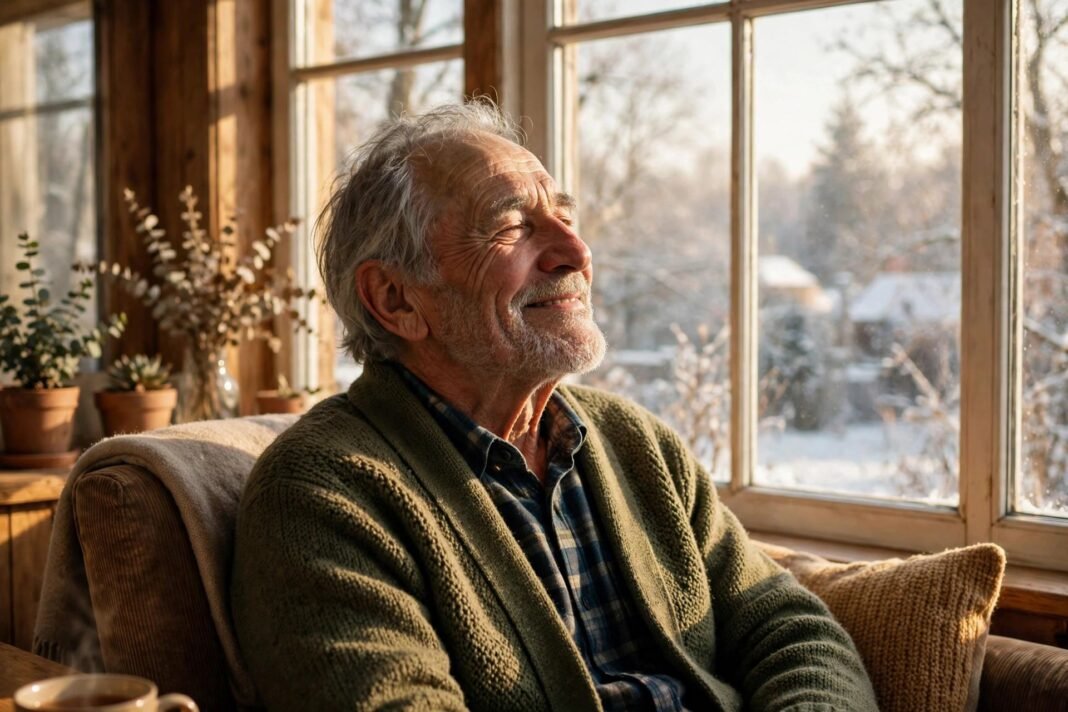
There is another quiet problem: many older people simply do not feel the cold as clearly as they once did. Consequently, they may sit for hours in a chilly room without realising how cold their body has become. Cold homes are linked with higher blood pressure and thicker blood, especially during the night and early morning. Keeping living rooms and bedrooms comfortably warm is therefore a health step, not a luxury.
Daily Habits That Help Prevent Stroke in Elderly Adults
Gentle daily movement is one of the kindest gifts you can offer an ageing body. A short walk indoors, light stretching, or simple chair exercises all keep blood flowing well. However, icy pavements are a real danger, so indoor movement is often the safer choice on frosty days. Warm layers matter too, because a warm body keeps blood vessels relaxed and pressure steadier.
Food and rest play their part as well. Meals built on vegetables, beans, whole grains, and fruit support healthy arteries without fuss. Sleep deserves equal care, since poor rest can raise blood pressure over time. If nights feel broken, these gentle ideas on how to sleep better without medication can help the whole household rest more deeply.
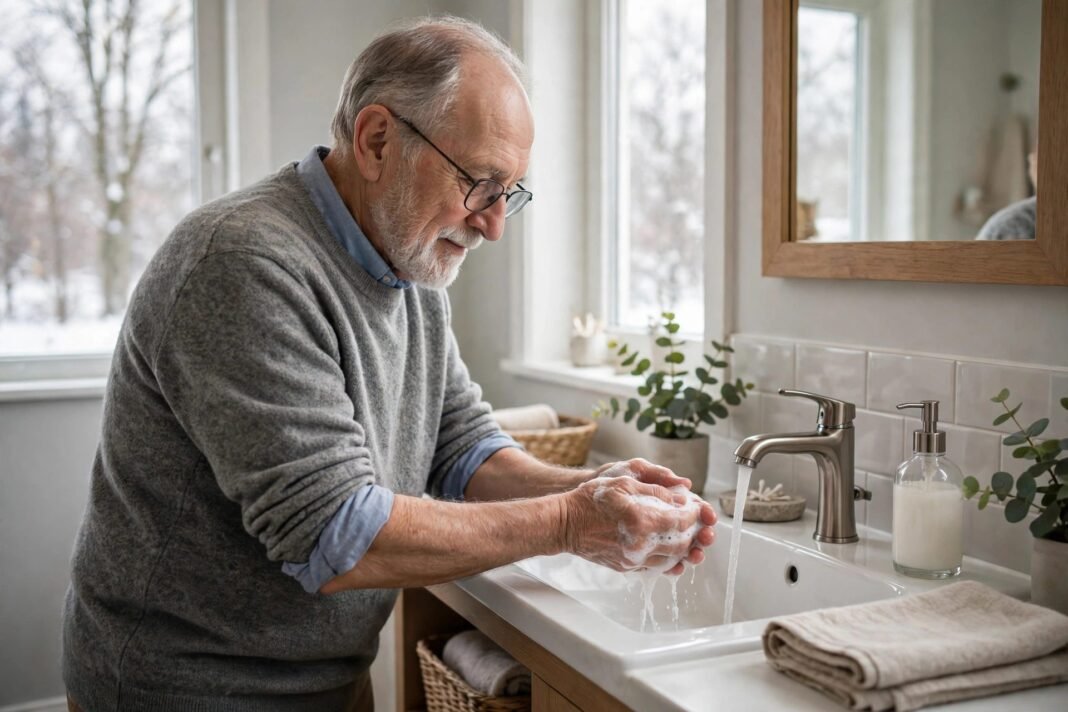
Protection against winter infections also belongs on the list. Simple habits, such as washing hands often and keeping distance from visitors who are unwell, reduce the spread of flu. Furthermore, it is worth asking the doctor whether a flu vaccination or other seasonal protection is suitable. Regular social contact helps too, because loneliness can lower mood, appetite, and the will to stay active.
Keep Blood Pressure Steady Through the Cold Months
High blood pressure is the biggest driver of stroke, so steady pressure is the heart of prevention. Above all, prescribed medicines should be taken exactly as the doctor advised, every single day. Never stop or change a dose because winter feels mild or a reading looks fine once. Instead, keep a simple note of home readings if the doctor has suggested checking at home.
Salt is a quiet troublemaker in winter cooking. Soups, sauces, pickles, and processed foods can hide far more salt than we realise. Choosing fresh ingredients and tasting food before adding salt makes a real difference. These foods that lower blood pressure can also earn a regular place on the winter table. Finally, avoid sudden shocks of cold, such as stepping from a hot shower straight into a freezing room.
Mornings deserve special care in winter. Blood pressure naturally rises as the body wakes, and a cold bedroom can sharpen that rise. A warm drink, a few minutes sitting on the edge of the bed, and a cardigan kept within reach all soften the start of the day. Clearing snow or doing heavy outdoor chores in deep cold is best left to younger hands.
Know the FAST Signs and Act Without Delay
Even with the best habits, families should know the warning signs by heart. Doctors use the word FAST as an easy guide, and every family member should learn it. The letters stand for four checks that take less than a minute:
- Face: Has one side of the face dropped or gone numb? Ask the person to smile and look closely.
- Arms: Can the person lift both arms, or does one arm drift downward?
- Speech: Does speech sound slurred or strange? Ask the person to repeat a simple sentence.
- Time: If you see any of these signs, treat time as precious and call emergency services at once.
Do not wait to see whether the signs pass. In fact, fast treatment gives doctors the best chance to limit damage to the brain. Note the time the signs began, because that detail helps the medical team. Also, do not give food, drink, or extra medicine while you wait for help to arrive.
Small Steps That Carry a Family Through Winter
Winter does not have to be a season of fear for older adults. A warm home, steady routines, kind reminders about medicine, and shared walks on bright days all add up. Moreover, regular check-ups give doctors the chance to spot rising pressure or other risks early. When families stay alert and act together, they give their elders the strongest protection love can offer.
This article is general information, not medical advice. Please speak to a healthcare professional if you are worried about your health.
So, before the next frosty morning arrives, which one small habit will your family start first to keep your loved ones safe this winter?