LHC Darul Aman Ruling Bars Magistrate Custody Orders
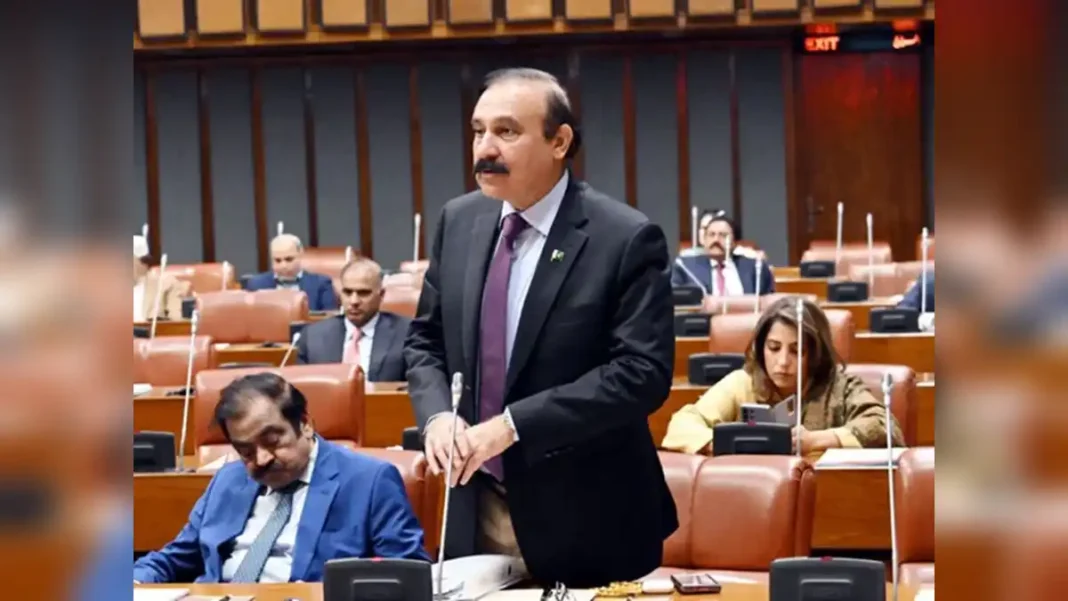
The Lahore High Court has ruled that a judicial magistrate has no power to order that a minor be kept in a Darul Aman shelter home. The LHC Darul Aman ruling was given by Justice Tariq Saleem Sheikh, who set aside such orders for two girls and laid down clear limits on what a magistrate can do when a minor’s statement is recorded.
The judge decided three separate petitions filed by a mother and by two men who claim to have married the girls. The girls were treated as minors on the basis of their Form-B records, which showed their ages as 16 years and eight months, and 14 years and 11 months.
The LHC Darul Aman ruling in detail
The girls told a woman magistrate that they had married of their own free will. The magistrate held them to be minors and sent them to Darul Aman until further orders of the competent court, or until they reached lawful age. Her later orders refusing to release them were also challenged in the petitions.
Justice Sheikh held that Section 164 of the Code of Criminal Procedure does not give a magistrate jurisdiction to decide custody. The provision empowers a magistrate to record statements and confessions during an investigation, or before an inquiry or trial begins. It sets out how such statements are recorded, but it does not confer any power to decide who should hold custody of a child.
The judge found that the orders kept the girls in the shelter home indefinitely, without any assessment of necessity and without any provision for review. He also rejected the argument that the doctrine of parens patriae, under which the state acts as a parent, gave the magistrate such a power.
Child marriage counts as abuse under the 2026 law
The judge dismissed the additional advocate general’s contention that a husband is entitled to custody of a minor wife under the Guardians and Wards Act. He also rejected the view that a magistrate could refer such matters to a sessions court, noting that Section 8 of the Punjab Child Marriage Restraint Act, 2026 bars any other court from taking cognizance of offences under the Act.
Justice Sheikh also turned down a psychologist’s suggestion that the girls be released conditionally to the men claiming to be their husbands. He noted that cohabitation resulting from a child marriage is treated as child abuse under Section 5 of the 2026 Act, irrespective of consent, and carries five to seven years in prison.
The judge noted that a marriage made in breach of the child marriage law is not automatically void. He said an Islamabad High Court ruling to the contrary does not correctly state the law.
What the court ordered next
Justice Sheikh set aside the magistrate’s orders, but he did not release the girls outright. He directed that both girls be produced before a sessions judge within two days. The sessions judge will hear each girl separately, find out her present wishes, and examine the circumstances that affect her safety.
The sessions judge will also hear the people claiming custody. Until the next hearing, the girls will stay in Darul Aman, and the superintendent was told to ensure their dignity, healthcare and counselling.
The judge made it clear that nothing in his order would affect the determination of criminal liability, the validity of the alleged marriages, or the final decision on any claim to guardianship or custody. Those questions remain open for the proper forum to decide.
Dawn reported the ruling in its November 29 edition. A Punjab panel cleared a Christian marriage bill that raises the minimum age to 18, and Justice Ayesha Malik spoke on legal protection for women. Courts are still undecided on marital law in Pakistan, while the IHC has sought the government’s reply on a new LPG pricing policy.
Frequently asked questions
What did the Lahore High Court decide?
Justice Tariq Saleem Sheikh held that a judicial magistrate recording a statement under Section 164 of the Code of Criminal Procedure has no power to order that a minor be kept in Darul Aman.
How old were the two girls?
Their Form-B records showed one girl was 16 years and eight months old, and the other was 14 years and 11 months old. Both told the magistrate they had married of their own free will.
What does the Punjab Child Marriage Restraint Act say?
Section 5 of the 2026 Act treats cohabitation resulting from a child marriage as child abuse, irrespective of consent, and carries five to seven years in prison. Section 8 bars any other court from taking cognizance of offences under the Act.
Were the girls released?
No. The judge set aside the magistrate’s orders but directed that both girls be produced before a sessions judge within two days. They will stay in Darul Aman until the next hearing.
What will the sessions judge do?
The sessions judge will hear each girl separately, find out her present wishes, examine the circumstances that affect her safety, and hear the people claiming custody.