Pakistan Kinnow Exports Begin With $100m Target
The Pakistan kinnow exports season has begun, with the government setting a target of 200,000 tonnes expected to earn about $100 million in foreign exchange.
The national citrus export season began last week after the government authorised shipments and issued clearance directives to airports, seaports and border crossings across the country.
Processing facilities and grading plants across Sargodha have finished preparations for international dispatch, according to Chaudhry Shoaib Ahmed Basra, senior vice chairman of the All Pakistan Fruit and Vegetable Exporters Association and a former president of the Sargodha Chamber of Commerce and Industry.
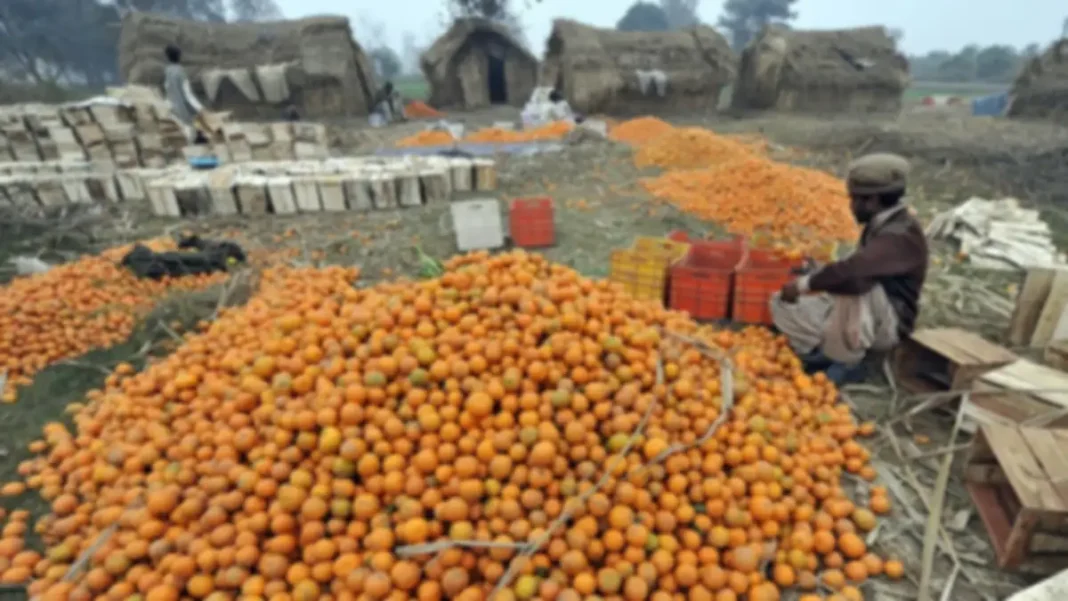
Kinnow, a mandarin hybrid, is grown mostly in the Sargodha region, which anchors the export trade each winter.
Shipping risks cloud the Pakistan kinnow exports target
Industry leaders warn the season may fall short. Ongoing geopolitical conflicts and disruption to global shipping routes could cut total export volumes by up to 100,000 tonnes against previous years, Mr Basra said.
Such a shortfall would put real strain on growers, exporters and national foreign currency inflows. He urged the government to offer emergency freight subsidies and help secure alternative trade corridors to protect the season’s target.
Pakistan typically produces around 1.7 to 2.7 million tonnes of kinnow a year, with estimates often cited at about 2.5 million tonnes. The 2025-26 crop is estimated at roughly 2.7 million tonnes, up from about 1.7 million tonnes the previous season.
Kinnow makes up roughly 70 to 80 per cent of Pakistan’s total citrus output, and citrus itself accounts for about 30 per cent of the country’s fruit production. That makes the kinnow season one of the most important dates in the farm export calendar.
Why the season matters for farm incomes
Kinnow exports matter well beyond Sargodha. The fruit supports growers, pickers, graders, packers, transporters and exporters across Punjab, and the dollars it earns help a country that needs every source of foreign exchange it can find.
The shipping warning is the main risk. If freight costs rise or routes close, fruit can rot in storage or miss its market window, and the loss falls first on growers who have already spent the season tending their orchards.
Exports still sit well below their peak. Pakistan shipped 550,000 tonnes of kinnow five years ago, roughly double the current target, and the exporters’ association says the country could lift citrus earnings to $400 million within five years if the government acts on its plans for new varieties. The association blames the slide on a lack of research and development and reliance on old varieties that cannot withstand environmental challenges.
The call for freight subsidies and new trade corridors is therefore a practical one. Exporters want the government to share the extra cost of getting fruit to market while shipping stays disrupted, rather than leaving growers to absorb losses they did not cause.
Pakistan’s farm exports have had a mixed year. FoodAg 2026 closed with $168 million in export deals, showing buyers are keen on Pakistani produce when deals are done well. Mango exports fell 36 per cent this year amid the US-Iran war, a warning of how fast conflict can hit farm trade. The Afghan trade ban has cost Pakistan $1 billion in exports, cutting off another market growers relied on. Services exports rose 22.6 per cent on IT earnings, showing exports can grow where the offer is strong.
Frequently asked questions
What is the kinnow export target this season?
Authorities have set a seasonal target of 200,000 tonnes of kinnow, expected to generate about $100 million in foreign exchange.
Where is most Pakistani kinnow grown?
Kinnow is predominantly grown in the Sargodha region, where processing and grading plants have finalised preparations for export.
What threatens the export target?
Geopolitical conflicts and disruption to global shipping routes could cut volumes by up to 100,000 tonnes compared with previous years.
What help do exporters want from the government?
Emergency freight subsidies and help securing alternative trade corridors to safeguard the season’s target.
How much kinnow does Pakistan produce?
Pakistan typically produces around 1.7 to 2.7 million tonnes a year, with the 2025-26 crop estimated at roughly 2.7 million tonnes. Kinnow makes up 70 to 80 per cent of total citrus output.