Leghari Seeks Tariff Financing to Cut Power Prices
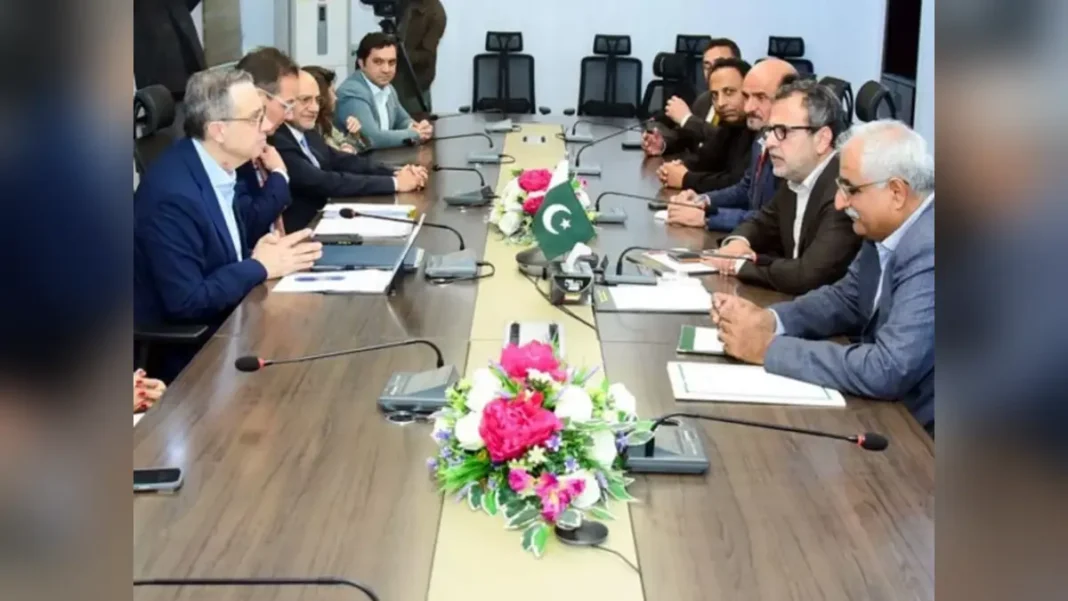
Pakistan is exploring electricity tariff financing to hold down power prices, as Energy Minister Sardar Awais Ahmad Khan Leghari met a high-level delegation of the International Finance Corporation (IFC) in Islamabad on Sunday.
The delegation was led by IFC Regional Vice President Imad N. Fakhoury. Radio Pakistan reported that the meeting covered energy sector reforms, the privatisation of power distribution companies, tariff financing to stabilise and reduce electricity prices, and steps to draw private investment into the sector.
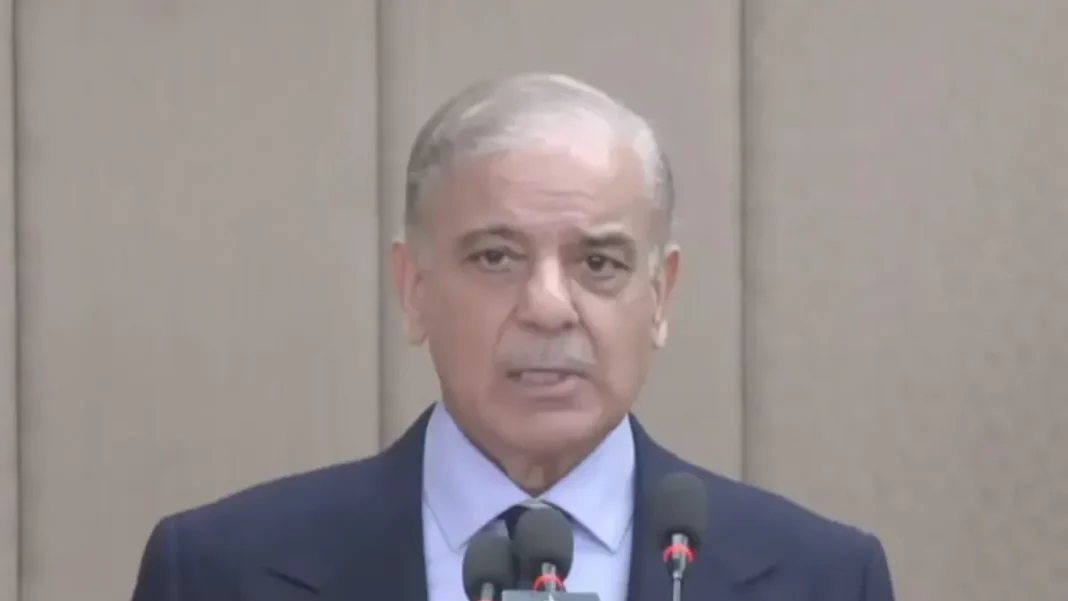
Leghari said the government was carrying out wide reforms to make the energy sector sustainable and transparent, with relief for consumers as its first priority. He said modern financial tools, including tariff financing, could stop tariffs from rising and bring them down over time.
He also restated the government’s plan to bring private firms into the power sector through public-private partnerships. The two sides reviewed progress on the privatisation of distribution companies, known as DISCOs, the rollout of Advanced Metering Infrastructure (AMI) projects, and work to raise the capacity of the national grid.
Fakhoury praised the government’s reform drive and assured continued support from the World Bank Group and the IFC for sustainable development, financial stability and workable financing for the energy sector. Both sides agreed to keep working together so the reforms finish on time.
How electricity tariff financing would work
Tariff financing spreads the cost of power sector dues over time instead of passing the full burden to consumers at once. The government wants to use the tool to stop fresh increases in bills and then cut tariffs step by step.
The idea matters because electricity prices feed into the cost of almost everything else. High tariffs raise factory costs, push up shop prices and squeeze household budgets. A financing plan that holds tariffs steady would give both homes and industry room to plan ahead.
Leghari has said in recent briefings that power tariffs have already fallen by Rs10 to Rs10.50 per unit over the past 18 months. He has put industrial tariffs at Rs26 per unit and said distribution losses have dropped from Rs580 billion to Rs193 billion in a year. Those figures show why the government now wants financing tools that lock in the gains instead of letting costs climb again.
DISCO privatisation and smart meters on the agenda
The meeting also covered the privatisation of DISCOs, which the government sees as a central plank of its reform plan. Private management is meant to cut theft, improve billing and raise recovery rates across the distribution network.
The smart meters programme featured in the talks as well. The IFC delegation is in Pakistan until December 2, with a $1.3 billion smart meters plan at the centre of its visit. Smart meters are meant to end estimated billing, catch theft quickly and give the DISCOs a true picture of demand.
Feature Pakistan reported earlier that smart meters will help curb power theft, and the rollout of smart meters is already under way. Power purchase prices are set to fall to Rs27 by 2027, while the government has a plan to clear circular debt with IMF support. Relief for households using up to 250 units was announced in October.
What happens next
No tariff decision was announced after the meeting. The next step is for the Power Division and the IFC to work out the shape of the financing, including its size, its terms and how it would reach consumers.
The privatisation of DISCOs will move ahead in parallel, with the most efficient companies offered to investors first. The government has said it wants private capital and better management to do the heavy lifting, so the state can step back from running the distribution network.
For consumers, the test will be the next tariff decision. If the financing plan works as the minister described, bills should stay flat and then fall. If it stalls, the pressure on tariffs will return, and the government will have to find another way to protect households from higher power costs.
Frequently asked questions
What is tariff financing?
Tariff financing is a way to spread power sector costs over time through loans or bonds, instead of loading them onto consumer bills at once. Pakistan wants to use it to stop tariffs from rising and then bring them down step by step.
Who did Leghari meet?
Energy Minister Sardar Awais Ahmad Khan Leghari met a high-level IFC delegation led by Regional Vice President Imad N. Fakhoury in Islamabad on Sunday, November 29.
What else did the meeting cover?
The talks covered energy sector reforms, the privatisation of power distribution companies, the rollout of smart meters, the national grid and ways to draw private investment into the power sector.
How much have power tariffs already fallen?
Leghari has said tariffs have fallen by Rs10 to Rs10.50 per unit over the past 18 months, with industrial consumers now paying Rs26 per unit.
What is the IFC smart meters plan?
The IFC delegation is in Pakistan until December 2, with a $1.3 billion smart meters plan at the centre of its visit. Smart meters are meant to end estimated billing and cut power theft.