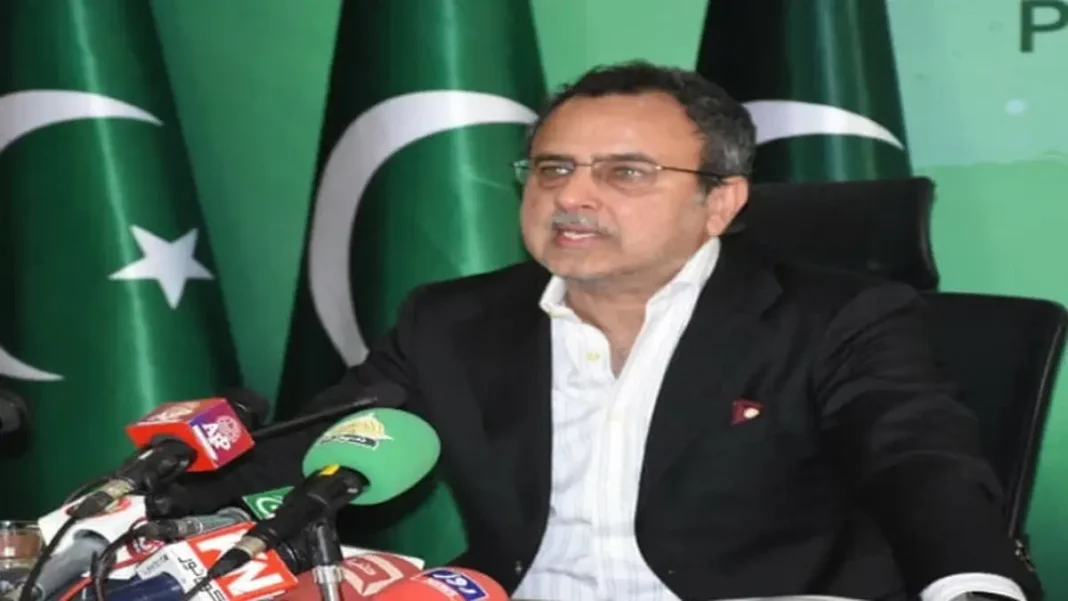
Minister for Energy (Power Division) Sardar Awais Ahmad Khan Leghari on Tuesday set out the electricity relief 250 units plan, saying the government was working on a system to provide electricity relief based on poverty rather than consumption of up to 200 units, while efforts were underway to raise the threshold to 250 units.
Speaking during a Senate session in Islamabad, Leghari said wealthy consumers were installing solar panels to reduce their electricity consumption below 200 units and subsequently benefit from relief intended for lower-income households. He said the government was working on a plan to provide relief specifically to people living below the poverty line.
According to Leghari, the number of electricity consumers using up to 200 units had reached 20 million, with most of them using solar energy. He stressed that electricity tariff slabs needed to be determined appropriately to prevent such problems in the future.
Electricity relief 250 units: the 200-unit cliff
The problem with the current system is the sharp cliff at 200 units. Senator Abid Sher Ali raised the point during the session, saying electricity bills had become unaffordable even for protected consumers.
“If a consumer uses just one unit more than 200 units, the electricity bill suddenly doubles,” the senator said. He also questioned whether the burden of electricity theft in distribution companies was being passed on to poorer consumers.
That cliff is why the threshold matters so much. A household that stays under 200 units keeps relief. A household that crosses it by a single unit can face a far larger bill, even though its actual use barely changed.
Raising the threshold to 250 units would soften that edge, but it would not fix the deeper flaw Leghari identified. If relief follows consumption alone, a wealthy household with solar panels can still sit under the line, while a poor household without solar may cross it.
That is why the minister paired the threshold move with a shift to poverty-based relief. Under such a system, support would follow income, not the meter reading alone.
Circular debt and budget support
Turning to the power sector’s financial situation, Leghari said circular debt had declined to Rs1.67 trillion. The minister said the government had set a target to eliminate circular debt over the next four years, adding that the debt servicing surcharge associated with circular debt would also be abolished during the same period.
He said the ministry had received Rs1.18 trillion in budgetary support when the government assumed office, but the amount had declined to Rs700 billion during the current year.
Leghari maintained that losses incurred by electricity distribution companies had been reduced every year. However, he acknowledged that the benefits of reduced losses had not yet been passed on to consumers.
Only two members were present on the government benches during the Senate proceedings, a thin turnout for a session dealing with bills that affect millions of households.
Detection bills and the week before
Last week, Leghari took strict notice of electricity distribution companies imposing excessive and unjustified detection bills on consumers, warning them that no incorrect or arbitrary detection bill would be charged in the future.
In light of the minister’s directives, the Power Division is mandating that all distribution companies issue detection bills exclusively through the centralised online portal developed by PITC. A complete ban has been enforced on the issuance of manual and discretionary detection bills by field staff or sub-divisional officers.
Issuing manual bills will be officially treated as severe misconduct, liable to strict disciplinary proceedings and major penalties against the responsible officials and staff.
Under this framework, comprehensive proposed amendments to the Consumer Service Manual will be submitted in the coming days to bind every process within clearly defined timelines.
Frequently asked questions
What is the government planning on electricity relief?
Power Minister Awais Leghari told the Senate the government is working on poverty-based relief and on raising the relief threshold from 200 units to 250 units.
Why move away from the 200-unit rule?
Leghari said wealthy consumers install solar panels to drop below 200 units and claim relief meant for lower-income households. The number of consumers using up to 200 units has reached 20 million, most of them using solar energy.
What is the circular debt position?
Leghari said circular debt has declined to Rs1.67 trillion, with a target to eliminate it over the next four years, along with the debt servicing surcharge.