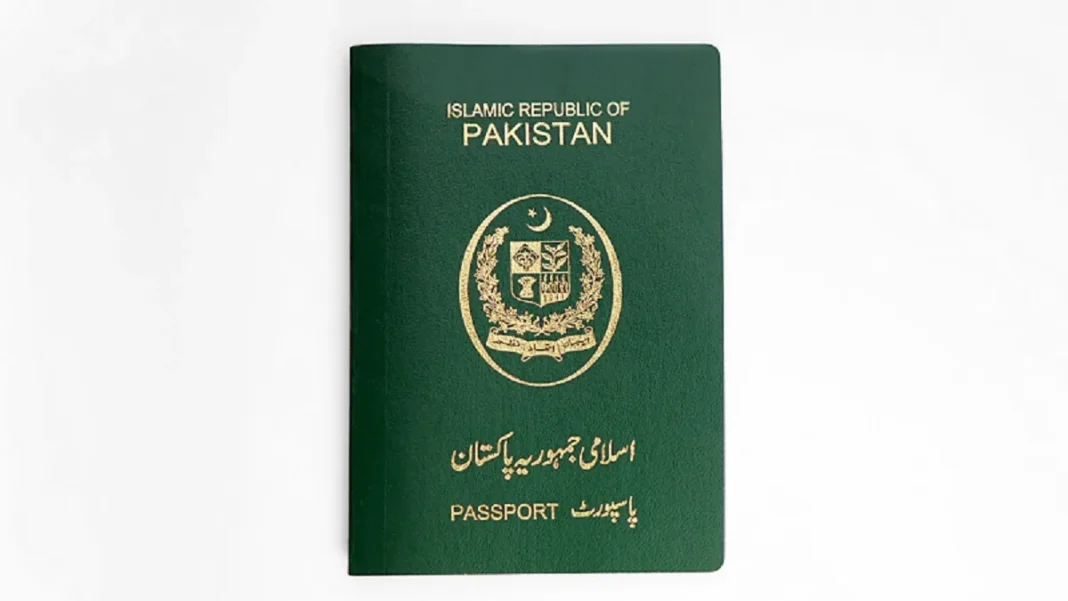


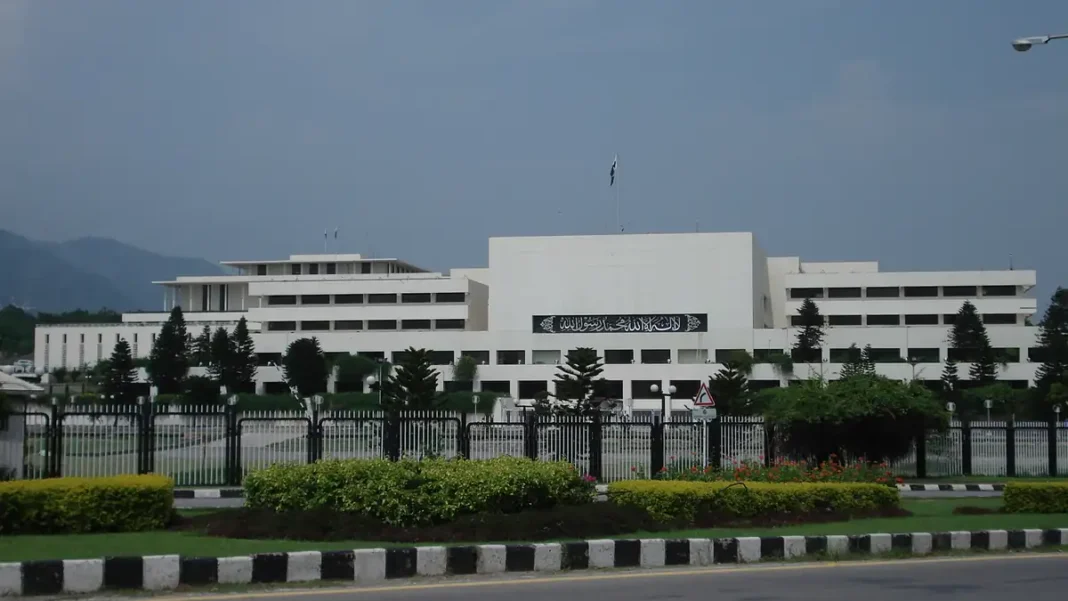
Every Pakistani citizen — all 240 million-plus of them — owes that status to one law: the Pakistan Citizenship Act 1951, in force since 13 April 1951. It answers the single most important question a state can ask about a person: are you one of us? This guide explains, in plain language, how the Act decides Pakistan nationality — and who qualifies.
Quick answer: The Pakistan Citizenship Act 1951 grants citizenship by birth in Pakistan, by descent from a Pakistani parent, through the Partition migration provisions, by registration (Commonwealth citizens), by naturalisation, and by marriage. Meeting any one route is enough — and the Act has been amended over the years, most recently to expand dual-nationality deals to 22 countries.
In this guide
Why 1951: the Partition Problem the Act Solved
When Pakistan came into being on 14 August 1947, there was no citizenship law at all. Millions of people were moving across the new borders in both directions, and nobody’s legal status was settled — Pakistanis were provisionally classed as “British subjects without citizenship” under the British Nationality Act 1948. The Constituent Assembly needed a law that could do two things at once: settle the status of everyone already here, and define who would be a citizen going forward. The Pakistan Citizenship Act 1951, passed as Act II of 1951, was that law. Its opening sections are retrospective by design — Section 3 deems whole categories of people citizens as of the Act’s commencement, covering the Partition generation in one stroke.
The Routes, Section by Section
The Act builds citizenship outward from the core population:
- Section 3 — Citizenship at commencement. Anyone whose parents or grandparents were born in territory now in Pakistan (and who hadn’t settled permanently abroad after 14 August 1947), domiciled migrants from India, naturalised British subjects in Pakistan who renounced other citizenships, and pre-Act migrants from the subcontinent who came intending to settle permanently — all deemed citizens from day one.
- Section 4 — By birth. Every person born in Pakistan after the Act’s commencement is a citizen by birth. This is pure jus soli — the law of the soil — broader than many countries’ rules today.
- Section 5 — By descent. A person born after the Act’s commencement is a citizen if a parent was a Pakistani citizen at the time of birth. This is the provision that keeps overseas Pakistanis’ children Pakistani.
- Section 7 — Migration to India. The mirror rule: someone who migrated to India after 1 March 1947 is not a Pakistani citizen — unless they returned under resettlement or permanent return arrangements.
- Section 9 — By naturalisation. Foreigners can naturalise under the Naturalization Act 1926 framework, typically after four years of residence.
- Section 10 — By marriage. A foreign woman married to a Pakistani citizen may acquire citizenship on application.
- Sections 14 & 14-B — Dual nationality. Acquiring a non-treaty country’s citizenship ends Pakistani citizenship automatically; the 22 treaty countries (UK, USA, Canada, Australia, much of Europe and others) are exempted.
Who the Act Excludes
The birthright rule has exactly two carve-outs, and both are narrow. A child born in Pakistan is not a citizen if, at the time of birth, the father held diplomatic immunity as an envoy of a foreign sovereign accredited to Pakistan (and was not himself a citizen) — or if the father was an enemy alien and the birth happened in territory under enemy occupation. These are wartime and diplomatic edge cases; for everyone else, birth on Pakistani soil is enough.
How the Act Has Changed Since 1951
The skeleton of the Act is 75 years old, but it has been amended repeatedly. The most consequential modern change is the Pakistan Citizenship (Amendment) Bill 2024, which formalised dual-nationality arrangements with 22 countries — up from the handful (UK, USA, Canada, Australia) that had deals before. The amendment was driven by the overseas Pakistani community: millions of Pakistanis naturalising in Europe were being forced to surrender their Pakistani citizenship, and the new deals let them keep both. A similar arrangement with Türkiye has been under discussion. The lesson of the Act’s history is that Pakistani nationality law keeps moving toward keeping the diaspora inside the tent, not outside it.
Frequently asked questions
What is the Pakistan Citizenship Act 1951?
The law, in force since 13 April 1951, that defines who is a citizen of Pakistan. It covers citizenship by birth, descent, migration, registration, naturalisation and marriage, plus the rules on dual nationality.
Is every child born in Pakistan automatically a citizen?
Yes, under Section 4 — with only two narrow exceptions: children of foreign diplomats with immunity, and children born in enemy-occupied territory to an enemy-alien father.
Has the 1951 Act been amended?
Yes, several times. The biggest recent change is the 2024 amendment expanding dual-nationality arrangements to 22 countries, so Pakistanis naturalising in those states no longer lose their Pakistani citizenship.
Related Guides
- Pakistan Nationality: The Complete Guide — citizenship, CNIC and dual nationality in one place
- What “Pakistan Nationality” Means: Citizen vs Pakistani Explained
- How to Get Pakistani Nationality: 5 Legal Routes
- CNIC Number Meaning: Decode Your 13-Digit NADRA Number