“Is Pakistan a poor or rich country?” / “Pakistan is rich or poor?” — the search itself reveals the confusion, because both answers are true at once. Pakistan is a large economy whose people are mostly poor. This guide resolves the paradox with 2026 data — and explains why the question is sharper than it looks.
Quick answer: Pakistan is poor in income per person (~$1,600–1,900 GDP per capita, bottom 30 globally, ~44.7% below the poverty line) but large in economic size (~$430B GDP, top 45; ~$2.17T PPP, top 20; 5th most populous nation). The accurate description: a big developing economy with rich pockets and widespread modest incomes.
In this guide
The Evidence Pakistan Is Poor
- $1,700 per person: GDP per capita around $1,600–1,900 — among the lowest 30 countries on earth. The global average is above $13,000.
- Mass poverty: ~44.7% below the national poverty line, 16.4% in extreme poverty (2026 estimates).
- Weak human development: HDI 0.544, rank 168th — “low” category.
- Fragile jobs: 88.4% informal employment; 6.9% unemployment, 12.6% among youth.
- External vulnerability: repeated IMF bailouts, chronic deficits, energy shortages — a state that struggles to pay its way.
The Evidence Pakistan Is Rich
- Scale: ~$430 billion economy (top 45 nominal), ~$2.17 trillion PPP (top 20) — bigger than most countries on earth.
- People: 257 million — the 5th largest domestic market in the world.
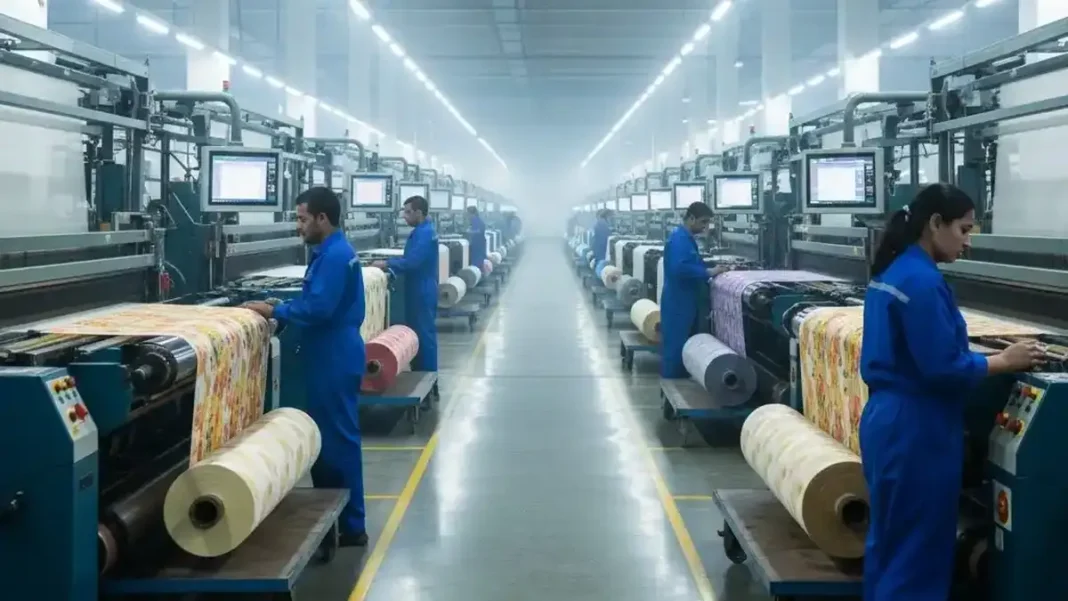
- Industry: a genuine textile/apparel export machine (~$40.8B exports), large-scale agriculture, and a fast-growing IT and freelancing sector.
- Wealth concentrations: Karachi, Lahore and Islamabad hold real, visible wealth — corporate headquarters, luxury development, a thriving stock exchange.
- Strategic assets: nuclear power, a large military, and geopolitical weight far beyond what the per-capita numbers suggest.
Why Both Are True: The Distribution Problem
There’s no contradiction once you see the arithmetic. National wealth divided by a huge population gives a small per-person share — and then inequality concentrates even that. Pakistan’s Gini coefficient (~31.6) is moderate by global standards, but the level being divided is low: sharing $1,700 evenly still leaves everyone modest. Add 88% informal employment — meaning most workers have no contracts, pensions or safety nets — and “average” prosperity dissolves into widespread precariousness with islands of wealth. This is the standard profile of a developing country: not uniformly poor, but poor on average, with the averages hiding the extremes.
The One-Sentence Verdict
Pakistan is a large, poor country with rich pockets — a developing lower-middle-income economy whose size commands attention while most of its 257 million citizens live on modest incomes. Anyone who tells you it’s simply rich is looking at the skyline; anyone who tells you it’s simply poor is ignoring the scale. The full picture needs both. For the numbers behind this verdict, see the net worth of Pakistan and is Pakistan a rich country?
Frequently asked questions
Is Pakistan rich or poor in 2026?
Poor in income per person (~$1,700 GDP per capita, bottom 30 globally) but large in economic size (top-45 GDP). The fair label: a big developing economy.
Why does Pakistan look rich in cities but poor in statistics?
Wealth is concentrated: Karachi, Lahore and Islamabad hold visible riches while ~44.7% of Pakistanis live below the poverty line. Averages hide the distribution.
Is Pakistan poorer than India?
Per person, yes — India’s GDP per capita (~$2,800–3,000) is roughly double Pakistan’s, and Bangladesh has also overtaken Pakistan.