Pakistan’s economy does not live in a bubble. It imports its energy, borrows in dollars, sells textiles to the world and depends on Gulf jobs for remittances — so every global shock lands in Pakistani kitchens. This guide explains the international economic issues that shape Pakistan’s fortunes, and how each one transmits to the rupee in your pocket.
Quick answer: The international economic issues hitting Pakistan hardest are oil and energy prices (the Middle East conflict’s fallout), tighter global financial conditions (costlier debt rollovers), trade disruptions, and Gulf labour markets (which drive remittances). The IMF named all four as top risks in its October 2026 review.
In this guide
The IMF: Pakistan’s Financial Anchor
Pakistan is on its 24th IMF programme — a 37-month, US$7 billion Extended Fund Facility approved in September 2024, plus a Resilience and Sustainability Facility. On 8 October 2026, IMF staff agreed the 4th EFF review and 3rd RSF review, clearing about US$1.21 billion (US$1bn EFF + US$210m RSF) pending board approval, taking total disbursements to ~US$5.7bn.
The programme does three things: it lends dollars, it forces fiscal discipline (a 2%-of-GDP primary surplus is targeted for FY27), and it unlocks other lenders — World Bank, ADB and bond markets all take their cue from the Fund. The mission chief, Iva Petrova, praised Pakistan for maintaining stability “despite the impact of the Middle East conflict” — and warned that risks “remain high”.
Oil Prices and the Import Bill
Pakistan imports the bulk of its energy. When Middle East tensions push crude up, the transmission is brutally direct: a bigger import bill, pressure on the rupee, costlier electricity and transport, and higher inflation — which is exactly what happened in early FY26, when inflation peaked in May before cooling to 10.3% by September. For an economy targeting stable indicators, oil is the variable Islamabad controls least.
Global Interest Rates and Debt
Pakistan’s external debt must be constantly refinanced. When US and global rates stay high — “tighter global financial conditions”, in IMF language — every rollover costs more, and investor appetite for Pakistani bonds thins. The flip side: the IMF noted Pakistan’s renewed access to international markets and sovereign rating upgrades in 2026, signs that credibility is returning. Cheaper global money would be one of the biggest gifts the world could give Pakistan’s budget.
Trade Disruptions and Exports
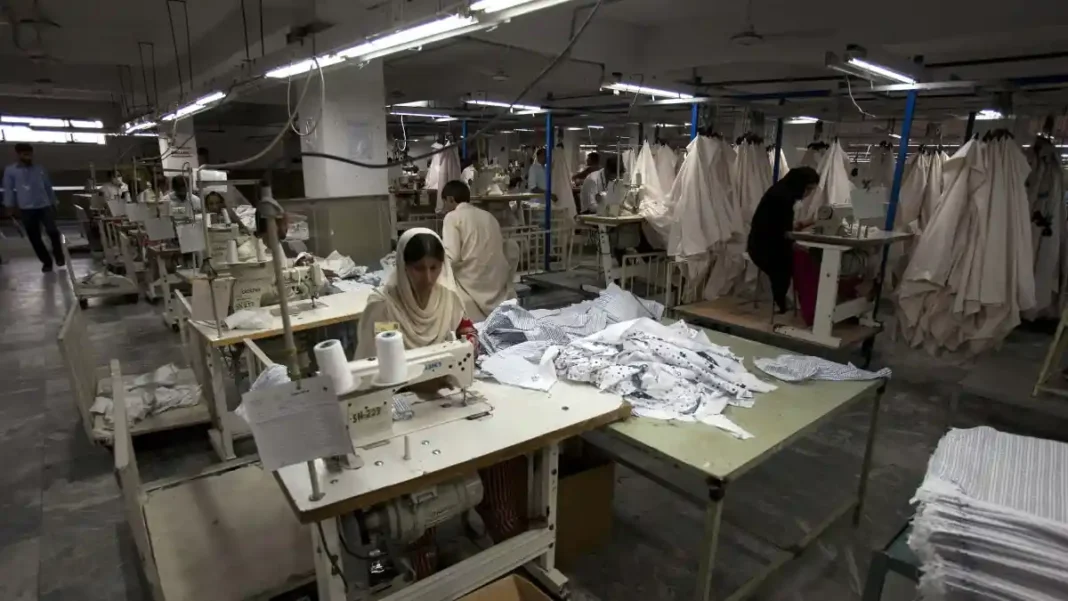
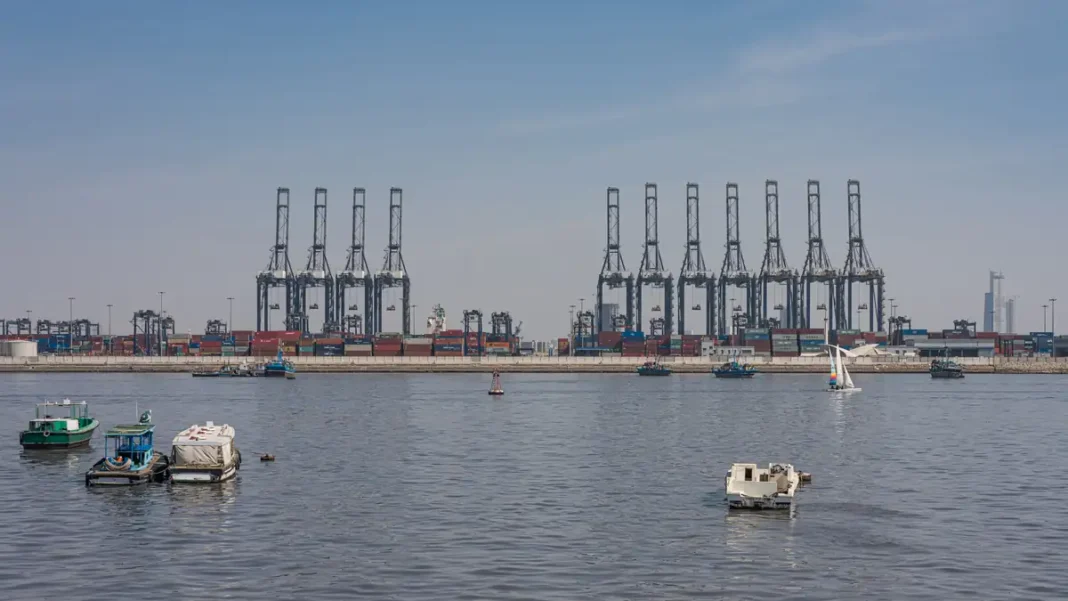
Textiles — Pakistan’s main export — travel through contested shipping lanes to Western markets. Supply-chain disruptions raise freight costs and delay orders; weak demand in the US and EU, Pakistan’s biggest buyers, hits exporters directly. Diversification (IT services, new markets) is the long-run answer, but today the economy’s dollar earnings remain hostage to routes and retailers abroad. See the export trap for the domestic side.
The Gulf Connection: Remittances
The single most important international variable for Pakistan is not oil or the IMF — it is jobs in the Gulf. Workers’ remittances surged 30.9% in FY25 to record levels, single-handedly flipping the current account into a US$1.9bn surplus and lifting per capita income to US$1,824. Saudi Arabia, the UAE and other Gulf states host the bulk of Pakistan’s migrant workers; their labour markets, visa policies and oil-funded construction booms decide how many dollars flow home to Pakistani villages.
China, CPEC and the Wider Region
China is Pakistan’s largest bilateral creditor and its flagship partner through the China-Pakistan Economic Corridor (CPEC) — power plants, roads and the Gwadar port. CPEC’s second phase emphasises industry and agriculture rather than mega-projects. The relationship cuts both ways: Chinese financing built critical infrastructure, but debt servicing to Beijing is now a permanent line in the budget, and renegotiating power-sector terms remains a live issue. Regionally, trade with India remains frozen and Afghanistan’s instability spills over into security costs — both silent drags on the economy.
Frequently Asked Questions
How do international issues affect Pakistan’s economy?
Through four channels: energy prices (inflation and the import bill), global interest rates (debt costs), trade conditions (export earnings), and Gulf labour markets (remittances). The IMF’s October 2026 review named geopolitical tensions, volatile energy prices, tight financial conditions and trade disruptions as the top risks.
Why does the Middle East conflict matter for Pakistan?
Because Pakistan imports most of its energy. Conflict-driven oil spikes raise the import bill, weaken the rupee and feed inflation — the dynamic behind inflation’s May 2026 peak.
What is Pakistan’s current IMF programme?
A 37-month, US$7bn Extended Fund Facility (from September 2024) plus a Resilience and Sustainability Facility. The 4th review was agreed at staff level on 8 October 2026, unlocking ~US$1.21bn pending board approval.
How important are remittances to Pakistan?
Crucial: up 30.9% in FY25 to record levels, they turned the current account into surplus and are the biggest reason per capita income hit US$1,824. Most come from the Gulf states.