Different Cultures of Pakistan: A Region-by-Region Guide
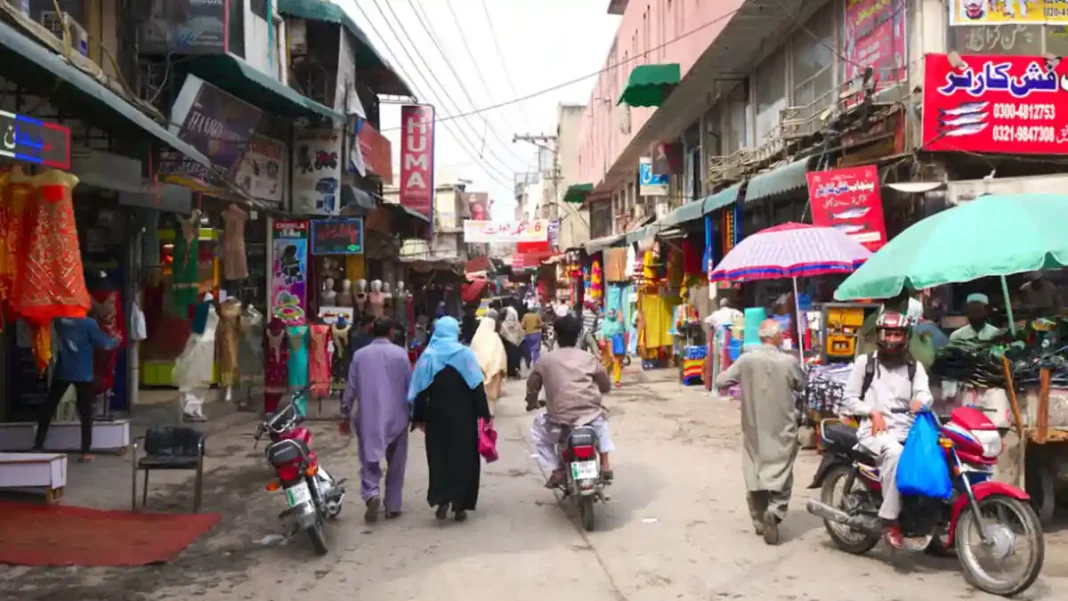
Pakistan is a federation of cultures. The Punjabi farmer’s bhangra, the Sindhi fisherman’s boat song, the Pashtun elder’s jirga, the Balochi shepherd’s flute and the Hunza guide’s polo mallet all belong to one country — yet each comes from a distinct civilisation. This guide walks through every major regional culture: its language, dress, food, music and festivals. For the national overview, see Pakistani culture.
Quick answer: Pakistan has six-plus major regional cultures: Punjabi (Punjab), Sindhi (Sindh), Pashtun (Khyber Pakhtunkhwa and Balochistan), Balochi (Balochistan), Saraiki (southern Punjab), Kashmiri (Azad Kashmir), and the distinct mountain cultures of Gilgit-Baltistan (Burusho, Wakhi, Shina, Balti) plus the Kalash. Each has its own language, dress, cuisine, music and festivals.
In this guide
Punjabi culture
The culture of Pakistan’s largest province is loud, warm and celebratory. Language: Punjabi, in Shahmukhi and Gurmukhi scripts. Music and dance: bhangra and giddha, the dhol’s driving beat, and the Sufi kalaam of Bulleh Shah sung at shrines. Food: sarson da saag with makki di roti, lassi in tall glasses, tandoori platters, and Lahore’s legendary food streets. Festivals: Basant’s kite-filled skies (revived in recent years), Eid melas, and the Urs of Data Ganj Bakhsh in Lahore and Baba Farid in Pakpattan.
Sindhi culture
One of the world’s oldest continuous cultures, rooted in the Indus Valley civilisation. Language: Sindhi, with a rich literary tradition crowned by Shah Abdul Latif Bhittai’s Shah Jo Risalo. Dress: the ajrak (block-printed shawl) and Sindhi topi — presented to honoured guests as a mark of respect. Food: Sindhi biryani, sai bhaji, fish from the Indus and Manchar Lake. Festivals: Sindh Cultural Day (first Sunday of December), when ajraks and topis flood the streets, and the Urs of Lal Shahbaz Qalandar at Sehwan Sharif.
Pashtun culture
Governed by Pashtunwali, the ancient code of honour: melmastia (hospitality), nanawatai (sanctuary for those who seek it), badal (justice) and jirga (council-based dispute resolution). Language: Pashto. Dress: perahan tunban with waistcoat and pakol or topi. Food: chapli kebab, Peshawari karahi, kawa (green tea). Music: the rabab and mangay, with poets like Khushal Khan Khattak and Rahman Baba. The Pashtun love of poetry is proverbial — mushairas draw thousands.
Balochi culture
Language: Balochi (with Brahui also spoken). Dress: long embroidered frocks for women with intricate needlework that can take months; loose shalwar and turban for men. Food: sajji — whole lamb roasted over open fire — kaak bread, and dates from Turbat and Panjgur. Customs: tribal hospitality is absolute; a guest’s honour is the host’s honour. The Sibi Mela, one of South Asia’s oldest livestock and cultural festivals, draws crowds every February.
Saraiki culture
The Sufi heartland of southern Punjab — Multan, Bahawalpur, Dera Ghazi Khan. Language: Saraiki. Heritage: the shrines of Bahauddin Zakariya and Shah Rukn-e-Alam in Multan, the kafi poetry of Khwaja Ghulam Farid, Multani blue pottery, and camel-skin art. Saraiki hospitality runs on sohan halwa and endless chai; the region’s mangoes (Multani, Anwar Ratol) are a summer obsession nationwide.
Kashmiri and Gilgit-Baltistan cultures
Azad Jammu and Kashmir has its own Kashmiri-Pahari culture of hospitality, embroidery and wazwan-influenced cuisine. Further north, Gilgit-Baltistan packs extraordinary diversity into a small area: Burusho (Hunza), Wakhi, Shina and Balti communities, each with its own language. Polo — the “game of kings” — is played at Shandur, the world’s highest polo ground. The Kalash of Chitral, with their distinct religion and festivals like Chilam Joshi, are Pakistan’s most unique cultural community.
What holds them together
Urdu as the national language and lingua franca, Islam as the shared faith, cricket as the shared obsession, and the values of hospitality, family and honour that every region recognises. Pakistan’s culture is not a melting pot that dissolves differences — it is a mosaic where each tile keeps its colour.
Frequently asked questions
What are the main cultures of Pakistan?
Punjabi, Sindhi, Pashtun, Balochi, Saraiki, Kashmiri, and the mountain cultures of Gilgit-Baltistan (Burusho, Wakhi, Shina, Balti) plus the Kalash community — each with its own language, dress, food and festivals.
Which is the largest cultural group in Pakistan?
Punjabis form the largest ethnolinguistic group, concentrated in Punjab province, followed by Pashtuns, Sindhis, Saraikis, and Baloch communities.
What is unique about Kalash culture?
The Kalash of Chitral’s valleys practise a distinct pre-Islamic religion, celebrate colourful festivals like Chilam Joshi, and maintain unique dress, music and customs found nowhere else in Pakistan.