


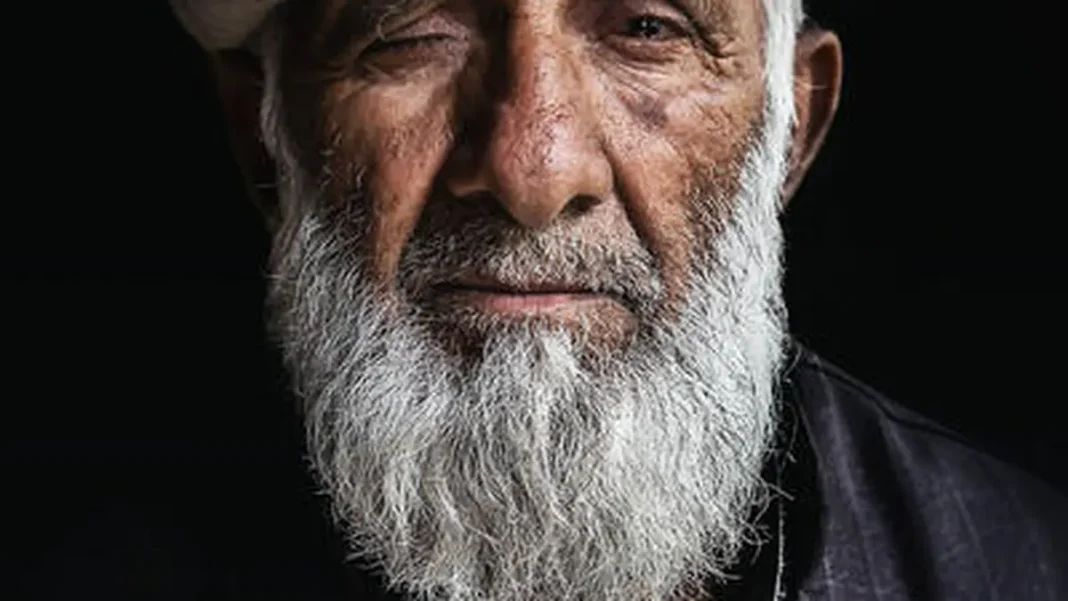
Pakistani Values: The Unwritten Code That Runs the Country
Laws govern Pakistan on paper; values govern it in practice. The unwritten code — honour, hospitality, faith, family loyalty, generosity — shapes everything from business deals to wedding guest lists. This guide decodes the core Pakistani values, where they come from, and how they play out daily.
Quick answer: Core Pakistani values: izzat (honour and family reputation), mehman nawazi (hospitality to guests), faith and religious observance, loyalty to family and biradari, sakhawat (generosity/charity), ehteram (respect for elders), and sabr (patience) and shukr (gratitude) as life attitudes.
In this guide
Izzat — honour
The master value. Izzat covers personal integrity, family reputation and social standing — and it is collective: one member’s actions reflect on all. It produces Pakistan’s famous trustworthiness in business (a man’s word as bond) and its fierce protection of guests. Its shadow side — honour-based violence, especially against women — is the value’s corruption, not its content, and reformers invoke true izzat (which forbids injustice) against it.
Mehman nawazi — hospitality
The guest is rehmat (a blessing). Feeding visitors generously, giving up one’s room, walking them to the door — these are duties, not favours. The value runs so deep that refusing hospitality can cause genuine offence, and offering it to strangers (the traveller, the foreigner) is a point of national pride. Every tourism account of Pakistan mentions it; it is the country’s most consistent soft power.
Faith and its social expression
Beyond personal belief, faith is a social value: honesty in trade (the Prophet was a merchant known as Al-Amin, the Trustworthy), charity as duty (zakat, sadaqah, fitrana), patience in hardship (sabr), gratitude in ease (shukr). Ramadan transforms the whole society’s rhythm; mosque congregations build the week. Even secular Pakistanis navigate a society where these are the default moral coordinates.
Family loyalty and respect
Loyalty to parents, siblings and biradari outranks nearly every competing claim — career, convenience, even personal preference in marriage. Ehteram (respect) for elders is performed daily: standing when they enter, seeking their counsel, caring for them in old age at home. The value’s strength is Pakistan’s negligible old-age abandonment; its cost is the pressure it puts on individual choice — the central negotiation of modern Pakistani society.
Frequently asked questions
What are the core values of Pakistani culture?
Honour (izzat), hospitality (mehman nawazi), faith, family loyalty, generosity (sakhawat), respect for elders (ehteram), patience (sabr) and gratitude (shukr).
What does izzat mean in Pakistani culture?
Izzat means honour — personal integrity and family reputation treated as a collective asset. It governs trust, social behaviour and the protection of guests and family members.
Why is hospitality so important in Pakistan?
Hospitality (mehman nawazi) is both an Islamic teaching and a tribal honour code: guests are considered a blessing, and serving them generously is a moral duty across all regions of Pakistan.
What are the core values of Pakistani culture?
Izzat (honour), mehman nawazi (hospitality), family loyalty, respect for elders, faith expressed socially, and community solidarity — values that organise daily life across regions.
Are Pakistani values changing?
The core — family, faith, hospitality — is remarkably durable; what’s changing is their expression, as urbanisation, education and women’s employment reshape how values are lived.
How do Pakistani values compare with Western values?
Pakistan’s values centre family, faith and community obligation; Western values centre individual autonomy. Neither is “better” — they optimise for different goods, and Pakistan’s urban youth increasingly blend both.

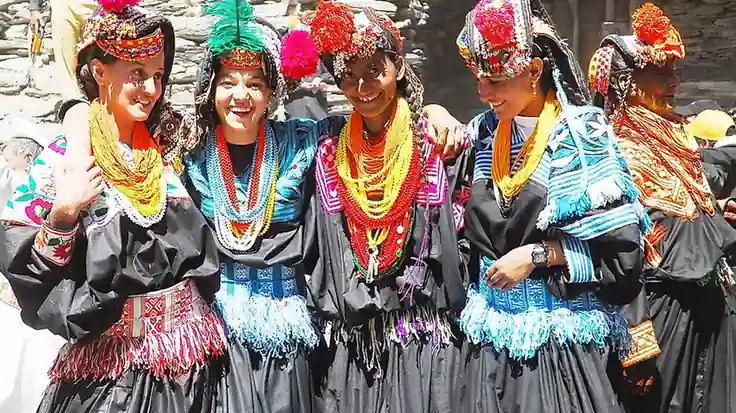
, mehman nawazi (hospitality), faith, family loyalty, generosity and respect for elders.)