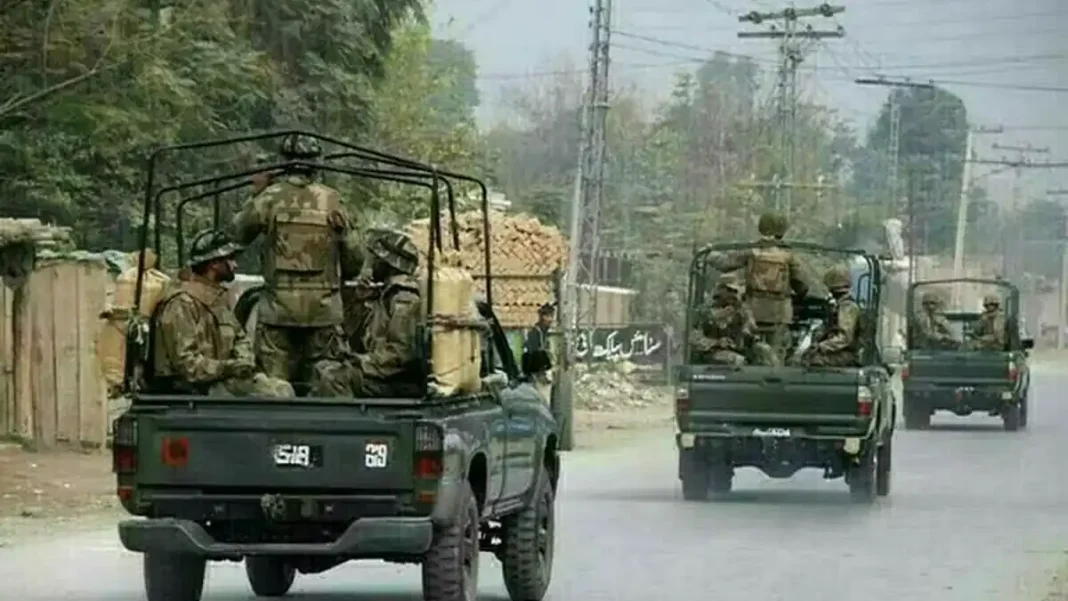
The Pakistan Army deployed in Khyber Pakhtunkhwa in aid of civil power on Sunday, after the federal government authorised the move through an interior ministry order. The authorisation came hours after an emergency and governor’s rule were imposed in the province. As a result, soldiers will now support the civil administration for as long as the proclamation stays in force.
The interior ministry issued the authorisation as a Statutory Regulatory Order (SRO). Dawn reported that the order cited Article 245 of the Constitution, which covers the armed forces acting in aid of civil power. The deployment covers both troops and military assets.
Pakistan Army deployed in Khyber Pakhtunkhwa: what the order says
According to the order, the deployment serves three purposes. First, it protects the lives of citizens across the province. Second, it secures people and property in areas hit by militant violence. Third, it guards government installations.
The order also sets the deployment’s duration. It lasts for the full period of the proclamation that imposed the emergency and governor’s rule. In other words, troops will stay deployed while that proclamation remains in effect.
Governor Faisal Karim Kundi will decide how many troops and assets are needed. However, he will not decide alone. The notification says he will act in consultation with the Military Operations Directorate at General Headquarters in Rawalpindi.
Copies of the order went to a wide list of officials. The list includes the president’s secretary and the prime minister’s adviser. It also includes the KP governor’s secretary, the KP home secretary and the provincial police chief. The Peshawar High Court registrar received a copy as well.
Why the deployment follows the emergency
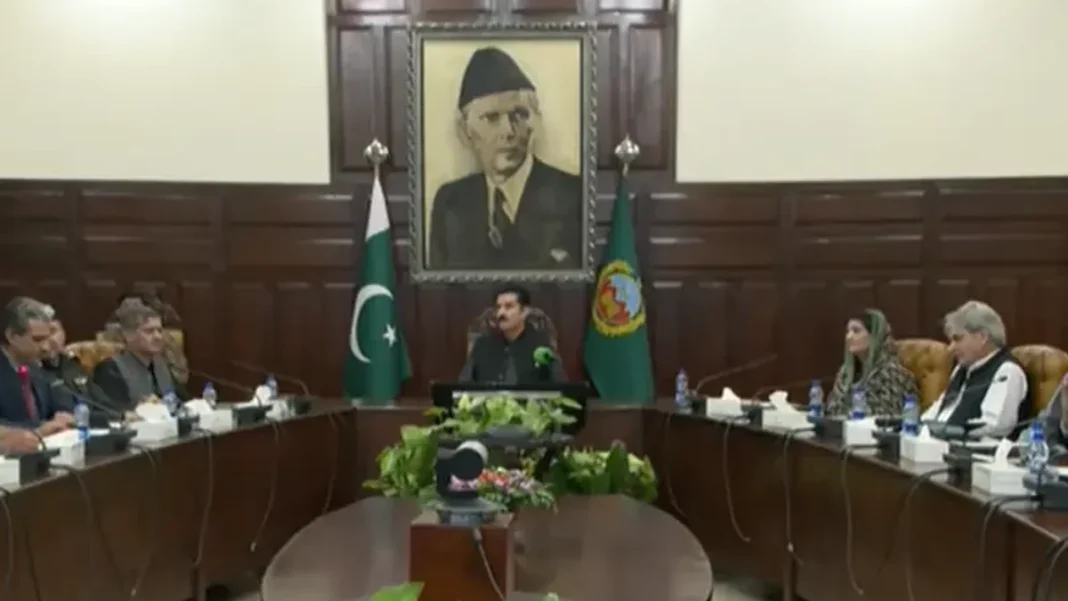
The deployment follows a rapid sequence of decisions in Islamabad. On Sunday morning, the federal cabinet met and reviewed the security situation in KP. After that meeting, emergency and governor’s rule were imposed in KP on the prime minister’s advice. The cabinet meeting that set the KP emergency in motion had been called a day earlier.
The Centre says the provincial government had pulled back from counterterrorism work. Interior Minister Mohsin Naqvi repeated that charge on Sunday. Our report on how Naqvi defended the KP emergency sets out the month of contacts he described. The PTI, by contrast, says it was left out of security decisions for the province. It also wants the counterterrorism policy reviewed, and it opposes military operations.
Meanwhile, the security pressure behind the decision is real. On Sunday, security forces foiled an infiltration attempt in Kurram, and 12 terrorists were killed in that operation. Attacks like that one have kept the province on edge for months.
What the deployment means on the ground
Residents in Peshawar felt the change within hours. Police sealed key routes in the city, and containers blocked roads across Peshawar after the emergency was announced. Heavy police deployment was reported around Governor House. Personnel were also called in from other districts.
The army’s role, though, is different from routine policing. Troops will act in support of the civil administration, not in place of it. Their tasks will follow the order’s three aims: protecting life, securing property and guarding installations.
Next, attention turns to the numbers. The governor and GHQ will settle the size of the deployment in the coming days. Until then, the order gives the legal cover for troops to move wherever the civil administration asks for support.
FAQ
Under which law was the army deployed in KP?
The interior ministry cited Article 245 of the Constitution. That article allows the armed forces to act in aid of civil power when the federal government directs them to do so.
Who will decide how many troops are deployed in KP?
Governor Faisal Karim Kundi will determine the number of troops and assets. He will make that decision with the Military Operations Directorate at GHQ Rawalpindi.
How long will the army deployment in KP last?
The authorisation lasts for the duration of the emergency proclamation. It therefore stays in force while emergency and governor’s rule remain imposed in the province.