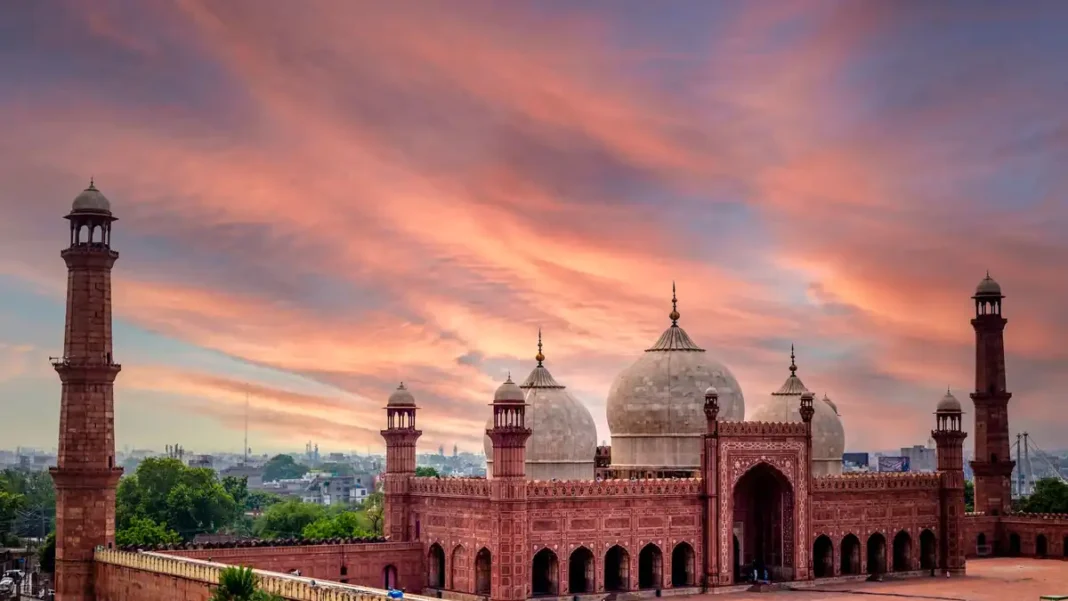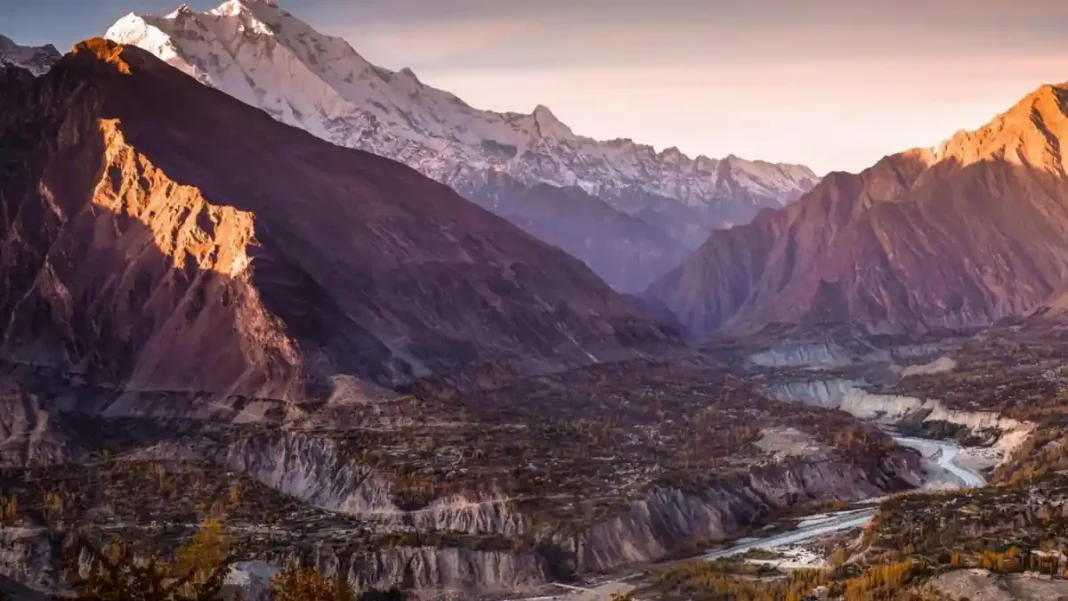
Asking whether Pakistan is “a safe country” invites a yes-or-no answer to a question that does not have one. Pakistan is a country of 241 million people where daily life — schools, markets, weddings, cricket — proceeds normally across most of the territory, and where, at the same time, armed groups remain active in specific regions. The balanced verdict for 2026: a functioning country with localised, serious risks.
Quick answer: Pakistan as a whole is not a war zone, and most of its territory — including the capital, Punjab’s cities and the northern tourist areas — functions normally. But it is not uniformly safe either: Balochistan and parts of Khyber Pakhtunkhwa face insurgency and terrorism, which is why Western advisories single those regions out. Judge Pakistan region by region, not as a single label.
In this guide
The security trend: better than a decade ago
The worst years are behind it. Pakistan’s terrorism deaths peaked in the late 2000s and early 2010s, when bombings struck cities including Islamabad and Lahore. The military operations that followed — notably Zarb-e-Azb (2014) in North Waziristan — sharply reduced large-scale attacks, and city life in Lahore, Karachi and Islamabad today feels ordinary to residents and visitors alike.
That improvement is real but partial. Militant violence never ended in the western borderlands, and 2026 has seen continued attacks in Balochistan and KP claimed by separatist and extremist groups. The national picture is therefore two-track: normalcy deepening in the east and centre, persistent conflict in the west. Any honest assessment has to hold both facts at once.
What the numbers say
Scale matters. Pakistan’s 2023 census counted 241.5 million people, making it the world’s fifth-most-populous country. The overwhelming majority live, work and travel in areas where the dominant risks are the same as anywhere in South Asia: traffic, petty crime, and overstretched public services — not terrorism.
The violence is geographically concentrated: security data consistently shows the bulk of terrorist incidents occurring in Balochistan and KP, particularly near the Afghan border. Punjab and Sindh’s major cities see occasional incidents but nothing resembling a generalised conflict. This concentration is exactly why the US and UK advisories draw their red lines where they do — see Pakistan’s restricted zones.
A functioning state, not a failed one
Institutions work, unevenly. Pakistan holds regular elections, runs a large bureaucracy, polices its cities, and manages one of the world’s biggest social-protection programmes. Its airports, motorways and telecom networks function; its courts, for all their backlog, operate. Travellers encounter a working state: visas processed online, hotels, ATMs, ride-hailing apps.
The caveats are well known to Pakistanis: corruption, slow justice, and a security establishment with an outsized role. But “unsafe country” in the failed-state sense does not describe Pakistan in 2026. The fair description is a middle-income developing country with a serious but geographically bounded security problem. The Pakistan travel ban guide puts the advisories in this context.
The verdict for different readers
For tourists: the main circuit (Islamabad, Lahore, northern areas) is as safe as comparable destinations in the region, with standard precautions. For business travellers: Karachi, Lahore and Islamabad host a large expatriate business community; corporate security protocols handle the residual risk. For journalists, aid workers and researchers: the risk calculus is genuinely different — these professions have been targeted, and specialist advice is essential.
For everyone: the no-go regions are non-negotiable. Do not freelance your own risk assessment for Balochistan or the KP tribal belt. Read the traveller safety guide for practical precautions, and the current US and UK advisories before making plans.
Is Pakistan a safe country overall?
Mostly, with major regional exceptions. Daily life is normal across Punjab, Sindh’s cities, Islamabad and the northern areas. Balochistan and parts of Khyber Pakhtunkhwa face insurgency and terrorism and are unsafe for travel.
Is Pakistan safer now than ten years ago?
Yes, in the cities and the east. Large-scale terrorist attacks have fallen sharply since the mid-2010s military operations. But violence persists in the western borderlands, so the improvement is geographically uneven.
Do Pakistanis themselves consider the country safe?
Most Pakistanis in the major cities live ordinary lives and consider their areas safe, while recognising the security problems in Balochistan and KP. Domestic tourism to the northern areas has boomed in recent years, which is itself a vote of confidence.