“Is Pakistan safe?” is the question behind most travel-ban searches, and it deserves an honest answer rather than a slogan. Pakistan is not one uniform risk: the northern tourist belt, Lahore and Islamabad see thousands of foreign visitors a year without incident, while parts of KP, Balochistan and the border areas are genuinely dangerous and off-limits. Here is the map as it stands in October 2026.
Quick answer: Pakistan is reasonably safe for travellers who stick to the main tourist circuit — Islamabad, Lahore, and the northern areas (Hunza, Skardu, Naran) — where the main risks are road safety and altitude, not violence. It is not safe in Balochistan, much of Khyber Pakhtunkhwa, or near the Afghan border and Line of Control, which Western governments say to avoid entirely.
In this guide
Where travellers go without trouble
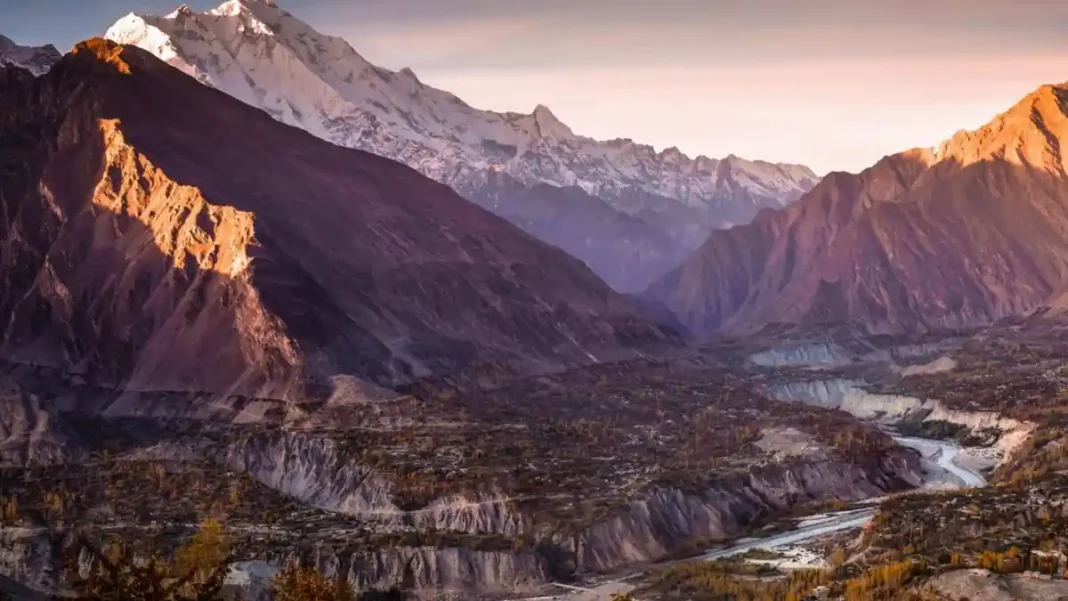
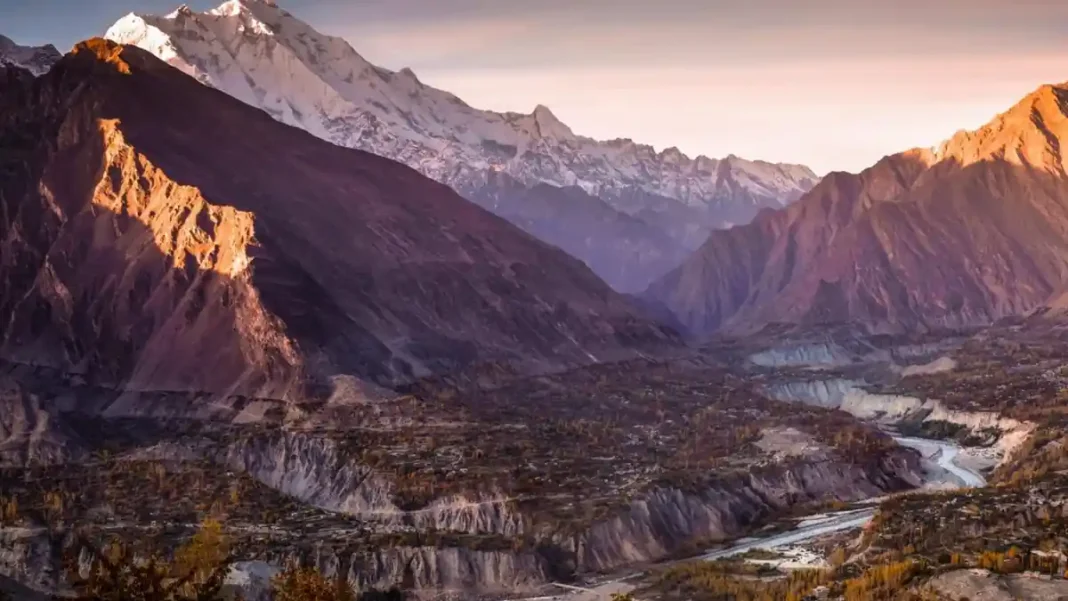
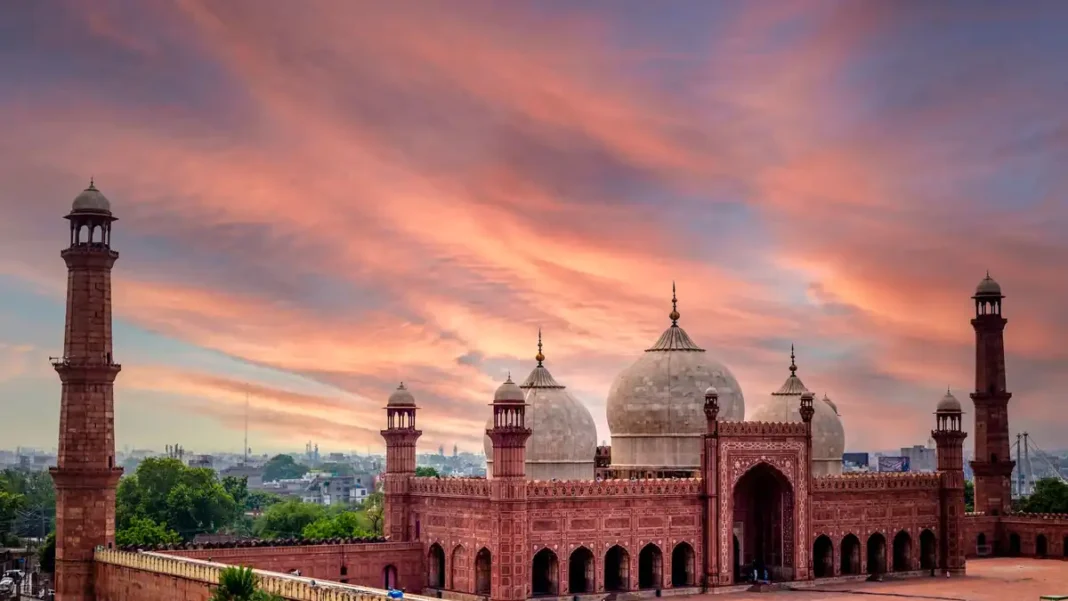
The tourist circuit works. Islamabad is a planned, relatively calm capital. Lahore’s old city, Badshahi Mosque and food streets draw steady foreign visitors. The Karakoram Highway corridor — Gilgit, Hunza, Skardu — hosts trekking and mountaineering tourism every season. Travel blogs and tour operators report the usual developing-country hassles (traffic, touting) rather than security incidents in these areas.
The honest risks in the north are mundane: landslides that close the Karakoram Highway without warning, reckless mountain driving, and altitude sickness above 3,500 metres — travel guides note altitude is a bigger threat than crime in Hunza and Skardu. Build buffer days into northern itineraries, travel mountain roads in daylight, and hire licensed guides for high treks. More practical detail in the Pakistan travel guide.
Where you should not go
The advisories agree on the red zones. The US says “Do Not Travel” to Balochistan province, Khyber Pakhtunkhwa including the former tribal districts, and the vicinity of the Line of Control, citing terrorism and kidnapping. The UK advises against all travel to KP, Balochistan, within 10 miles of the Afghanistan border, and (since 2026) within 10km of the India–Pakistan border.
These are not bureaucratic overreactions: militant and separatist groups remain active in Balochistan and parts of KP, and kidnapping for ransom is a documented risk. Foreigners have been targeted in the past. If your itinerary touches these areas, change it — no sight is worth the risk, and your travel insurance will not cover you there anyway. See Pakistan’s restricted zones for the full list.
City safety: the practical picture
Big-city risks are ordinary, not exotic. Karachi, Lahore and Islamabad have the crime profile of any large South Asian city: petty theft, bag-snatching and vehicle break-ins, especially in Karachi. Avoid flashing expensive jewellery or phones, use hotel-arranged or reputable ride-hailing transport, and keep hotel choice away from diplomatic and security installations where possible.
Sectarian and political violence does occur, and protests can turn disruptive — the October 2026 PTI marches, for instance, brought road closures and a heavy security presence to Islamabad. Follow local news, avoid political gatherings entirely (US government staff are barred from most of them), and keep a low profile during periods of tension. The Pakistan travel ban guide explains how advisories treat these situations.
Practical safety tips for 2026
Before you go: register with your embassy, buy insurance that explicitly covers Pakistan (check the FCDO small print — travelling against advice voids many policies), and apply for your e-visa 7–10 working days ahead via NADRA’s portal. Carry proof of polio vaccination for your departure.
On the ground: dress modestly, respect Ramadan norms, ask before photographing people, and keep copies of your passport and visa. In the north, acclimatise gradually and never trek alone. Keep the current US and UK advisories bookmarked and re-check them before you fly — assessments change when the security picture does.
Is Pakistan safe for tourists in 2026?
For the main tourist areas — Islamabad, Lahore, Hunza, Skardu, Naran — yes, with normal precautions. Thousands of foreign tourists visit annually. Balochistan, most of KP, and border areas are not safe and should be avoided entirely.
Is Pakistan safe for solo female travellers?
It is more challenging than for men: conservative dress, pre-arranged transport and reputable tour operators are strongly advised, and solo travel in remote areas is not recommended. Many women do travel Pakistan with organised tours and report positive experiences, but independent solo travel needs extra planning.
What is the biggest risk for visitors to Pakistan?
In the tourist north, road accidents, landslides and altitude sickness outweigh security risks. In cities, petty crime. Terrorism and kidnapping are concentrated in the regions Western governments designate no-go zones — which is why staying on the main circuit matters.