

The origin of Pakistan has two dates: 1933, when a Cambridge student coined the name, and 1947, when the name became a nation. “Pakistan” began as a pamphlet acronym — Punjab, Afghania, Kashmir, Sindh, plus “stan” — and as the Urdu phrase “land of the pure”. This is how a word became a country.
Quick answer: The name “Pakistan” was coined in 1933 by Choudhry Rahmat Ali in his pamphlet “Now or Never”. It is an acronym of the Muslim-majority regions — P (Punjab), A (Afghania/North-West Frontier), K (Kashmir), S (Sindh) — plus “stan” (from Balochistan), and also reads as “land of the pure” (pak = pure). The nation was founded on 14 August 1947.
In this guide
1933: the coinage
A student’s pamphlet. Choudhry Rahmat Ali, a 36-year-old Indian Muslim studying at Cambridge, published “Now or Never; Are We to Live or Perish For Ever?” in January 1933, demanding a separate Muslim homeland in north-western India. The pamphlet’s proposed name — PAKSTAN, later Pakistan — was constructed from the region initials: Punjab, Afghania (the North-West Frontier Province), Kashmir, Sindh, plus stan (from Balochistan).
The happy coincidence: in Urdu/Persian, pak means pure and stan means land — so “Pakistan” simultaneously reads as “land of the pure”, giving the acronym a poetic second meaning that did more for its popularity than the etymology. Jinnah reportedly disliked the coinage at first; within a decade it was the movement’s name.
1940: the idea becomes a demand
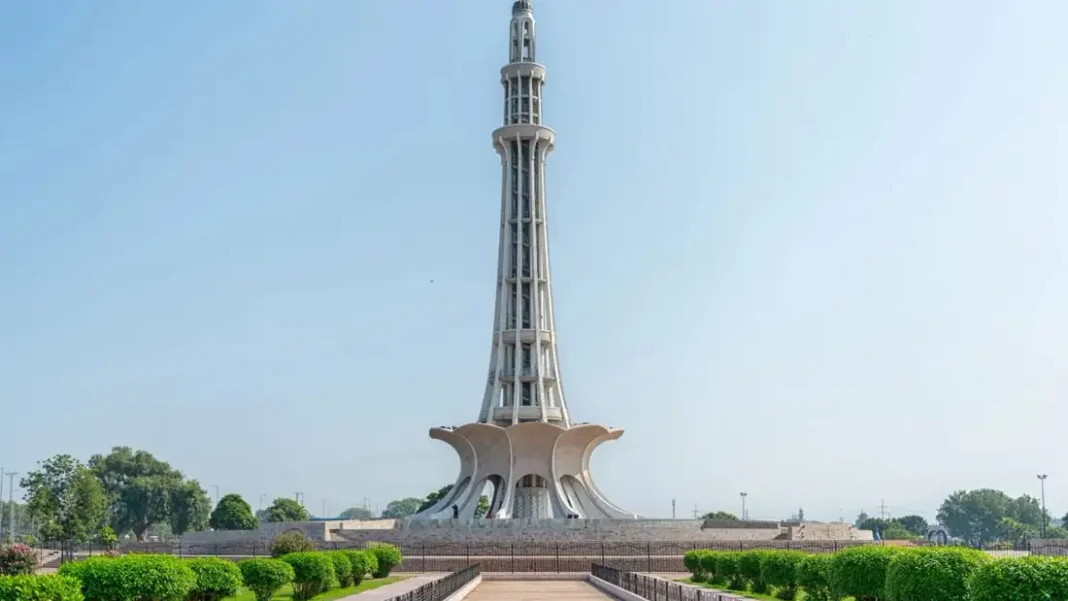
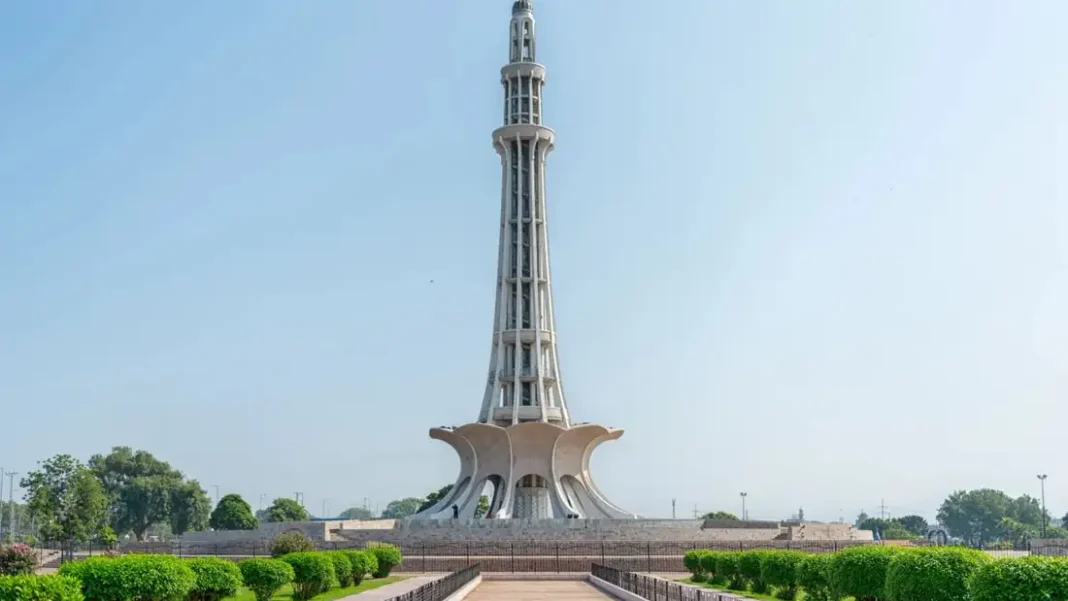
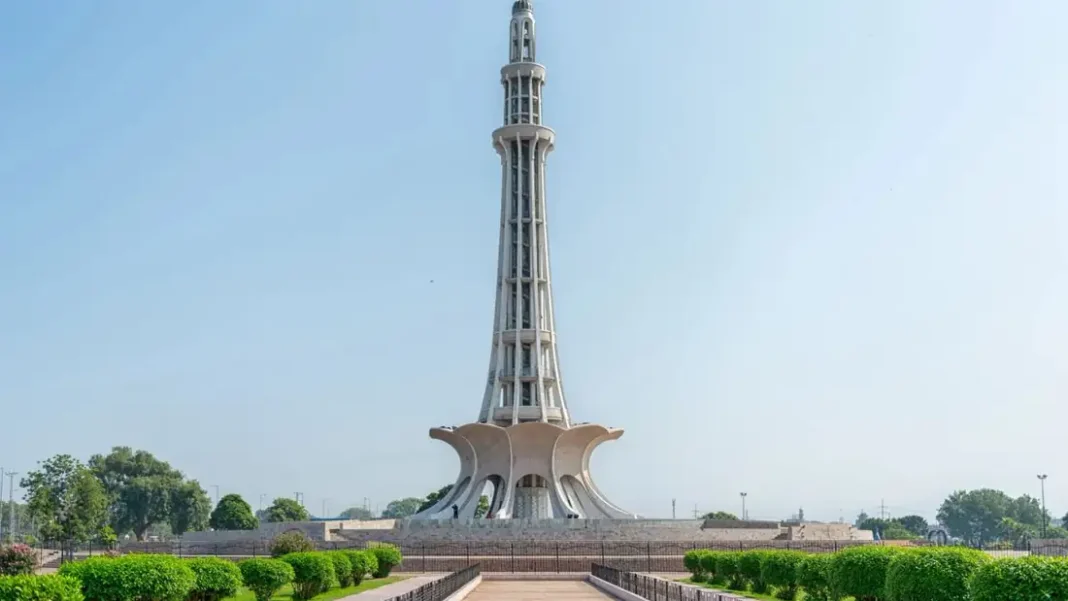
The Lahore Resolution. On 23 March 1940 the All-India Muslim League, meeting at Minto Park in Lahore (where Minar-e-Pakistan now stands), passed the resolution demanding independent Muslim states in the north-western and eastern zones of India. The Hindu press dubbed it the “Pakistan Resolution” — the League adopted the name.
The 1940s made the idea a mass movement: the League’s 1945–46 election victories in Muslim seats, the Cabinet Mission’s failure, Direct Action Day, and the final British decision to partition. By 1947 “Pakistan” meant not a pamphlet word but a state-in-waiting. The story of Pakistan narrates the movement years.
1947: the word becomes a country
14 August 1947. The name coined in a Cambridge pamphlet was hoisted on a new nation’s flag at midnight. The irony Rahmat Ali himself noted: the Pakistan that emerged included East Bengal — a region his acronym never covered — and excluded the princely Kashmir his “K” claimed. He died disappointed in Cambridge in 1951, but the name outgrew its inventor.
The state’s full style became the Islamic Republic of Pakistan (1956) — see when Pakistan became a republic. The pillar guide traces the name through every era.
What the name means today
Land of the pure — and a acronym. Both readings circulate: schoolchildren learn “land of the pure”; historians teach the 1933 acronym. Neither is wrong — the acronym is the documented origin, the “pure land” reading the living meaning. The name’s genius was containing both: a political programme and a moral aspiration in one word.
Before the name, the region was simply British India — see Pakistan’s old name. After it, the word organised a nation’s identity: Pakistani as a demonym dates from 1947, one of the world’s newest national identities.
Who coined the name Pakistan?
Choudhry Rahmat Ali, in his January 1933 Cambridge pamphlet “Now or Never”.
What does Pakistan mean?
An acronym of Punjab, Afghania, Kashmir, Sindh + stan (Balochistan) — and, in Urdu/Persian, “land of the pure” (pak = pure, stan = land).
When did the name Pakistan become official?
With independence on 14 August 1947; the full style “Islamic Republic of Pakistan” dates from the 1956 constitution.