Pakistan packs an absurd amount of variety into one country: 8,000-metre peaks and desert forts, Mughal palaces and a wild Arabian Sea coast. The problem for travellers isn’t finding places — it’s choosing between them. This is the complete map: the four zones, every region’s headline destinations, the single best pick if you can only choose one, when to go, and ready-made itineraries for trips of 5 days to 3 weeks.
Quick answer
- The north (Gilgit-Baltistan, upper KP): Hunza, Skardu, Deosai, Fairy Meadows, Naran-Kaghan, Swat, Chitral, Neelum Valley — go May to October.
- Punjab’s heritage cities: Lahore, Taxila, Rohtas Fort — year-round, best October to March.
- Sindh’s ancient sites: Mohenjo-daro, Makli necropolis, Karachi’s coast.
- Balochistan’s wild coast and desert: Hingol National Park, Gwadar, Quetta.
- If you can only pick one destination: Hunza Valley.
The four zones
1. The northern mountains
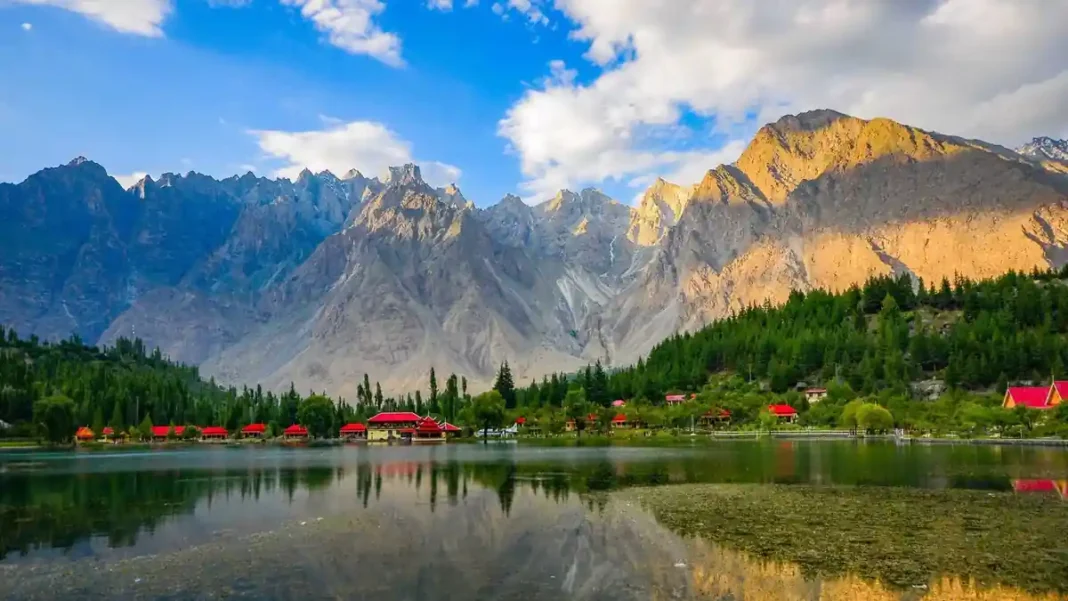
The Karakoram, Himalaya and Hindukush ranges hold Pakistan’s headline scenery. Hunza Valley (Gilgit-Baltistan) combines scenery — Rakaposhi, Ultar Sar, the Passu Cones — with culture: the 700-year-old Baltit and Altit forts, and the Ismaili community’s renowned hospitality. Skardu is wilder: the gateway to Deosai’s high plateau, Shigar and Khaplu valleys. Fairy Meadows gives the classic Nanga Parbat view. In Khyber Pakhtunkhwa: Naran-Kaghan (Saif-ul-Malook lake), Swat (Malam Jabba, Kalam — the easiest northern trip from Islamabad), and Chitral (Kalash valleys). Azad Kashmir’s Neelum Valley rounds out the mountain set.
2. Punjab: heritage cities
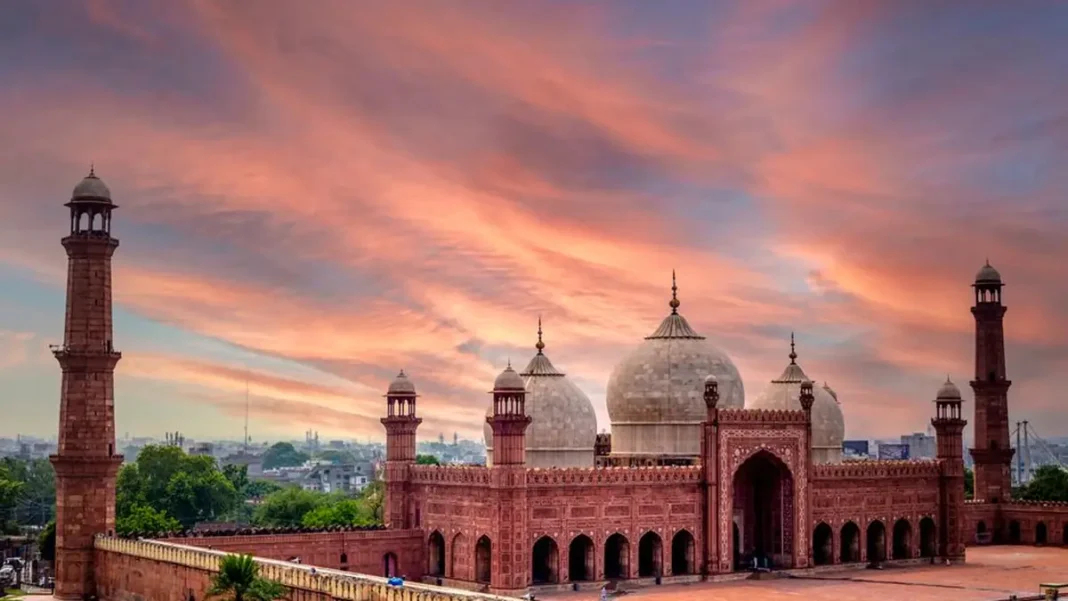
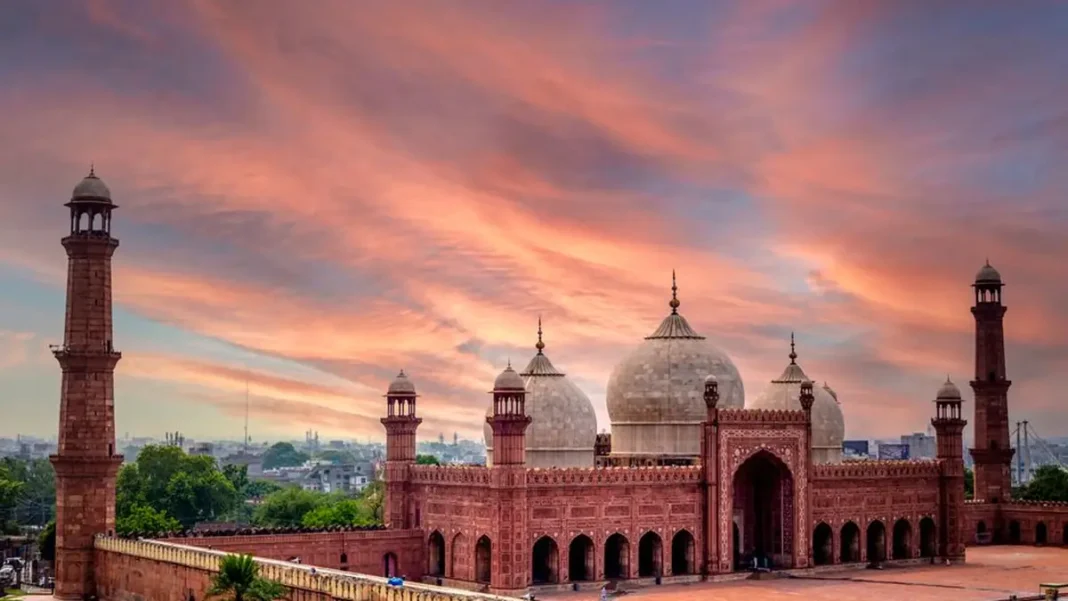
Lahore is Pakistan’s cultural heart: the Badshahi Mosque, Lahore Fort, Shalamar Gardens and Wazir Khan Mosque, plus the food streets and the Wagah border ceremony at sunset. Taxila (a day trip from Islamabad) holds Gandharan Buddhist ruins; Rohtas Fort near Jhelum is one of South Asia’s great fortresses.
3. Sindh: ancient sites and the coast
Mohenjo-daro — the 4,500-year-old Indus Valley city — and the Makli necropolis near Thatta are the headline ancient sites. Karachi, the largest city, gives the Arabian Sea coast: Clifton beach, the Quaid’s mausoleum, Empress Market.
4. Balochistan: desert and wild coast
Hingol National Park (Princess of Hope rock formation, Hinglaj temple), the coastal highway to Gwadar, and Quetta with its Hanna Lake and surrounding valleys. This is the least-visited, most otherworldly zone.
Regions and cities at a glance
| Region | Known for | Headline places |
|---|---|---|
| Gilgit-Baltistan | High Karakoram, glaciers, forts | Hunza, Skardu, Deosai, Fairy Meadows |
| Khyber Pakhtunkhwa | Valleys, lakes, old cities | Swat, Naran-Kaghan, Chitral, Peshawar old city |
| Punjab | Mughal heritage, food, festivals | Lahore, Taxila, Rohtas Fort |
| Sindh | Ancient Indus sites, coast | Mohenjo-daro, Makli, Karachi |
| Balochistan | Desert, wild coast | Hingol, Gwadar, Quetta |
| Azad Kashmir | Green valleys | Neelum Valley |
The case for Hunza — Pakistan’s best single destination
If you can only pick one place, pick Hunza Valley. It wins because it does everything in one accessible valley: scenery (Rakaposhi, Ultar, the Passu Cones), culture (Baltit and Altit forts, centuries of Silk Road history), food (apricots, buckwheat pancakes, Hunza bread), and the hospitality the valley is famous for. It’s also the most infrastructure-ready of the northern valleys — decent roads, guesthouses at every budget, and mobile coverage in the main towns.
The contenders: Skardu if you want wilder and emptier; Lahore if culture and food beat mountains for you; Swat if you want the easiest trip (closest to Islamabad, good roads); Fairy Meadows if you want maximum drama in minimum days.
When to go
- Northern mountains (Hunza, Skardu, Naran, Swat, Fairy Meadows): May to October. Roads to Deosai and Babusar Top open around June; autumn (late September–October) brings the famous golden foliage in Hunza.
- Punjab and Sindh heritage (Lahore, Taxila, Mohenjo-daro): October to March — summers are brutally hot.
- Balochistan coast: October to March for comfortable temperatures.
Itinerary ideas
5 days — Lahore heritage
Badshahi Mosque, Lahore Fort, Shalamar Gardens, Wazir Khan Mosque, the food streets, and the Wagah border ceremony. Add Taxila as a day trip if you’re starting from Islamabad.
7 days — Islamabad + one valley
Two days in Islamabad (Faisal Mosque, Margalla Hills, Lok Virsa), then Swat (Malam Jabba, Kalam) or Naran-Kaghan (Saif-ul-Malook, Babusar Top). Swat has the easier roads.
10–14 days — the classic northern circuit
Islamabad → Naran → Hunza (4–5 days: Karimabad, Baltit/Altit forts, Attabad Lake, Passu, Khunjerab Pass day trip) → Skardu (3–4 days: Shigar, Khaplu, Deosai day trip) → fly or drive back. Build in one buffer day — mountain flights and the Karakoram Highway both slip.
3 weeks — the grand tour
The northern circuit, then Lahore (3 days), then Sindh (Mohenjo-daro, Makli, Karachi, 3–4 days). This is the one trip that shows you all four zones.
Practical notes
- Buffer days: build them in for mountain flights and road delays — they’re a feature of northern travel, not an exception.
- Getting north: PIA flies Islamabad–Skardu and Islamabad–Gilgit (weather-dependent); the Karakoram Highway drive from Islamabad to Hunza is 14+ hours — most travellers break it at Naran or Chilas.
- What to pack: layers year-round in the mountains; even July nights in Hunza and Skardu get cold.
FAQs
What is the best tourist destination in Pakistan?
Hunza Valley — scenery, culture, food and hospitality in one accessible valley, with Skardu, Lahore, Swat and Fairy Meadows as the main contenders.
When is the best time to visit northern Pakistan?
May to October; late September–October for autumn colours in Hunza.
How many days do I need for Hunza and Skardu?
10–14 days for the classic circuit from Islamabad, including a buffer day.
Is Swat or Naran better for a short trip?
Swat — closer to Islamabad with better roads, ideal for a 7-day trip.