A blunt memo to the prime minister
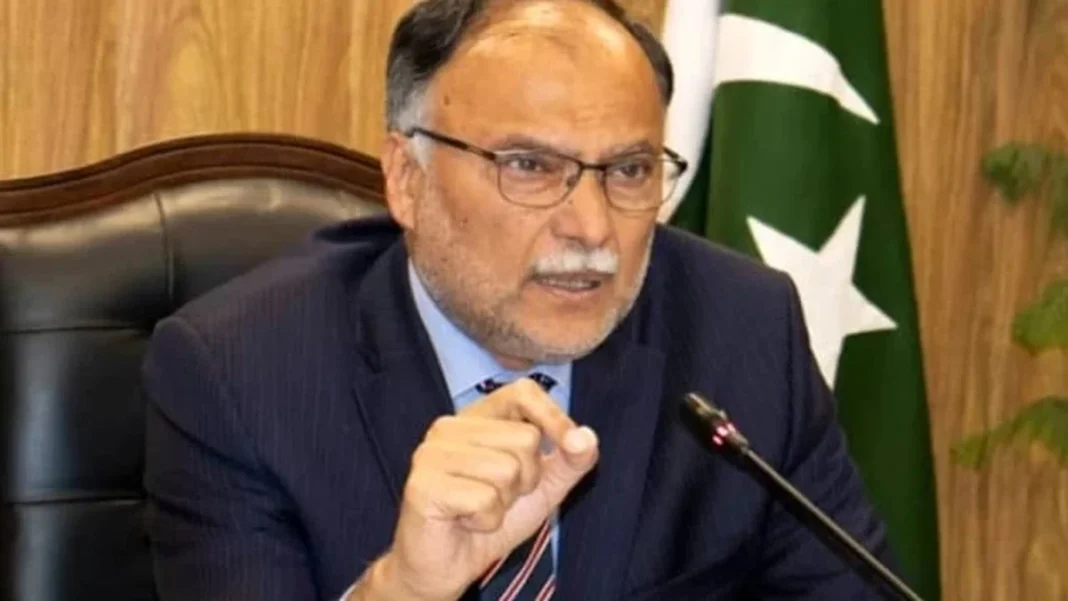
ISLAMABAD: Planning Minister Ahsan Iqbal has warned that the borrowed stabilisation Pakistan leans on is “stunted and borrowed”, urging Prime Minister Shehbaz Sharif to alter the country’s growth trajectory before the election cycle begins.
In a memo to the prime minister, Iqbal proposed an eight-point “Growth Compatible Fiscal Stabilisation Framework”, writing that Pakistan was achieving fiscal stabilisation by compressing development spending and borrowing more, rather than expanding revenue and exports.
“To me, it is stunted and borrowed stabilisation. It may improve fiscal numbers today, but if continued, it will weaken the productive capacity required to sustain those numbers tomorrow,” he said.
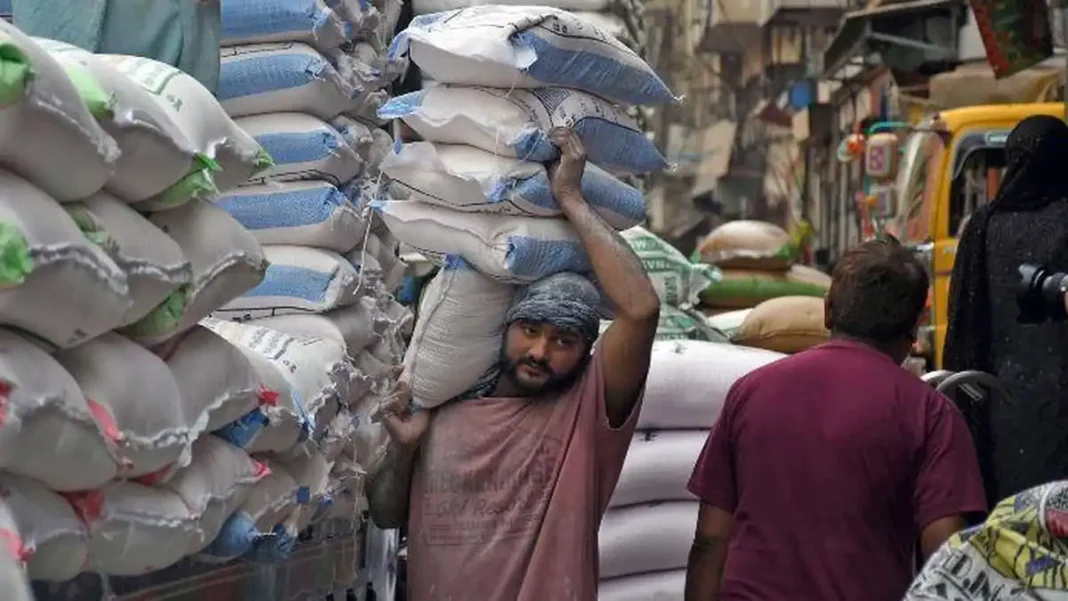
The memo surfaced as a new World Bank report stated that one in two poor people across the Middle East, North Africa, Afghanistan and Pakistan lived in Pakistan. The squeeze on household incomes is also visible in rising food costs, which prompted a Rs10 billion flour subsidy in Punjab. The Express Tribune said it waited two days for the finance ministry’s response to the criticism, but none came.
The borrowed stabilisation Pakistan is banking on
Iqbal supported fiscal discipline but said the real issue was “the composition and quality of fiscal adjustment”. A country cannot permanently balance its books by cutting the expenditure that creates its future productive capacity and borrowing more to plug its external-sector requirements, he argued.
In 2018, federal development expenditure stood at 2.6 per cent of GDP; this fiscal year it is 0.8 per cent. Between 2022 and 2026, he wrote, fiscal adjustment placed disproportionate pressure on the development programme.
“Whenever the fiscal space contracts, the PSDP becomes the easiest expenditure to postpone, reduce or surrender,” he wrote, referring to the Public Sector Development Programme. Cutting productive investment beyond a critical threshold was “economic de-capitalisation”, he added.
The economy “sacrifices infrastructure, education, technology, water security and productivity because the state has been unable to mobilise sufficient revenues”, he wrote, adding that cutting development spending was administratively easier than tax reform.
The 2029 test for the government
Iqbal warned that the electorate would not judge the government on macroeconomic charts alone. He asked the prime minister a simple but critical question: “Where will Pakistan’s economy stand in 2029 when this government goes back to the people?”
“The electorate will judge the government on the economy it experiences in 2029: growth, employment, income, investment, exports, inflation, energy costs and economic opportunity,” he wrote.
Official figures back his concern. Economic growth was a mere 3.7 per cent in the last fiscal year, unemployment stood at a 21-year high of 7.1 per cent of the labour force, and exports contracted nearly six per cent. Investment was stagnant at 14.4 per cent last year, while foreign direct investment fell 34 per cent to only $1.6 billion.
Almost half of the government’s five-year term has already passed, leaving effectively two and a half years, with the final year dominated by the general election. The window for decisions that can alter the growth trajectory is shorter than it looks.
What Iqbal wants changed
Iqbal recommended the finance and planning ministries jointly map where growth is heading by 2029, what rate is needed, and which policy changes close the gap, warning of “macroeconomic stability accompanied by insufficient growth, investment and employment” at the next election.
He suggested the prime minister set up a forum where the finance ministry presents baseline projections through fiscal year 2028-29, shifting IMF engagement “from a narrow conversation about next year’s numbers into a broader economic framework” for growth and revenue.
He warned that stabilising at a structurally low growth rate was the real danger: low revenue means fiscal pressure, development cuts, weaker investment and slower growth. “If development expenditure remains at rock-bottom levels, our potential growth rate will be damaged.”
FAQ
What is Ahsan Iqbal’s “borrowed stabilisation” warning?
The planning minister says Pakistan’s economic stabilisation is stunted and borrowed because it rests on cutting development spending and increasing borrowing, rather than raising tax revenue and exports.
What framework has Iqbal proposed?
An eight-point “Growth Compatible Fiscal Stabilisation Framework” aimed at combining fiscal discipline with higher growth, more investment and stronger exports.
What do the official economic figures show?
Growth of 3.7 per cent last fiscal year, unemployment at a 21-year high of 7.1 per cent, exports down nearly six per cent, stagnant investment at 14.4 per cent and FDI down 34 per cent to $1.6 billion.
What does Iqbal want from the finance ministry?
He wants credible post-IMF economic projections through fiscal year 2028-29 for the prime minister and cabinet, not just the next programme review or budget.