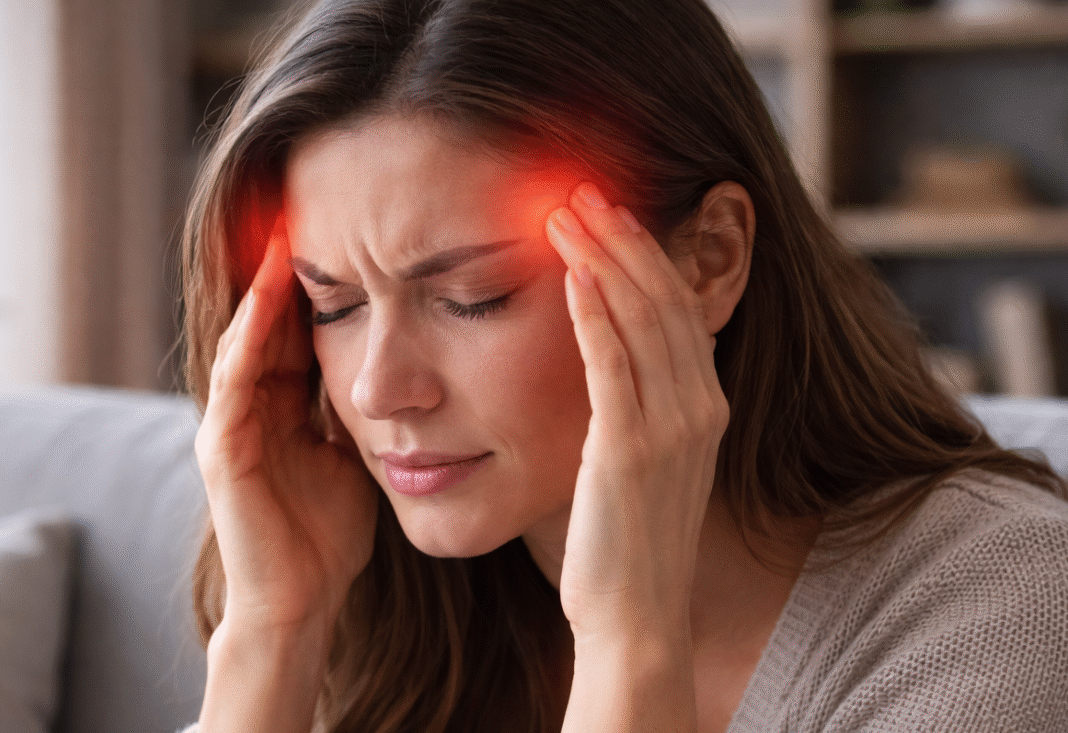
Scientists have discovered new evidence explaining chronic pain in women. The research challenges a long-standing belief that women exaggerate their pain.
A new study published in Science Immunology shows that women often experience stronger and longer-lasting pain than men. Researchers say biological differences in the immune system explain this gap.
Lead author Geoffroy Laumet from Michigan State University said doctors have often misunderstood women’s pain. For years, many believed the symptoms were emotional or psychological.
However, the new research tells a different story. Scientists found that the body processes pain differently in women.
Pain usually begins when neurons react to injury or stimulation. For example, a person feels pain after stubbing a toe or scraping a knee. Normally, the body slowly reduces this pain as healing begins.
But chronic pain in women can continue even when the original injury disappears or becomes very mild. According to the researchers, women make up about 60 to 70 percent of chronic pain patients.
The research team studied special immune cells called monocytes. These cells help the body control inflammation and communicate with pain-sensing nerves.
Scientists discovered that monocytes release an anti-inflammatory substance called interleukin-10 (IL-10). This substance helps shut down pain signals and allows the body to recover.
However, the process works differently in women. The study showed that female mice produced less IL-10, which slowed the body’s ability to stop pain signals.
Male mice, on the other hand, showed stronger activity in these immune cells. Researchers believe higher testosterone levels help boost this response and allow pain to resolve faster.
These findings help explain why chronic pain in women often lasts longer than in men.
Researchers say the discovery may lead to better treatments. In the future, doctors may develop therapies that stimulate monocytes or increase IL-10 production.
Laumet also suggested that topical testosterone treatments could help reduce certain types of localized pain.
Another researcher, Elora Midavaine from the University of California, San Francisco, said the study adds important insight into how hormones and the immune system influence pain.
She explained that scientists now combine neuroscience, immunology, and endocrinology to better understand pain conditions.
Experts also believe improved knowledge may reduce the use of opioid painkillers, which often cause addiction and other serious side effects.
For decades, researchers excluded women from many clinical trials. Scientists also relied heavily on male animals in pain studies.
This bias slowed progress in understanding chronic pain in women. Many doctors also dismissed women’s symptoms as emotional rather than biological.
However, the situation is slowly changing. New research now focuses more on women’s health and gender-specific medicine.
Experts believe these advances will help doctors provide more accurate diagnoses and better treatments for women in the future.