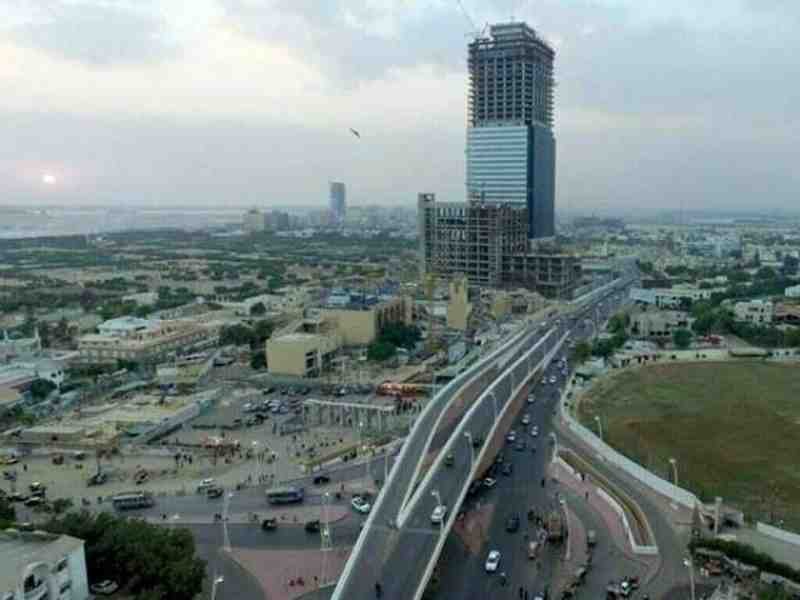
Karachi Mayor Murtaza Wahab has announced a major step to improve the city’s infrastructure. He plans to adopt the Lahore Plan Karachi model to address long-standing civic issues.
During a recent visit to Lahore, Murtaza Wahab reviewed development work across the city. He closely observed how local authorities manage water supply, drainage, and urban planning. At the same time, he shared updates on Karachi’s ongoing projects.
He said the visit aimed to learn practical solutions. He also highlighted that Karachi needs modern strategies to meet the needs of its growing population. Therefore, the Lahore Plan Karachi approach will help improve efficiency.
Moreover, the mayor confirmed that Karachi will collaborate with WASA Lahore. Both sides are preparing to sign a Memorandum of Understanding. This agreement will allow Karachi to adopt water management techniques used in Lahore.
He explained that political comparisons between cities create unnecessary tension. Instead, he stressed cooperation and shared learning. According to him, the Lahore Plan Karachi strategy focuses on progress rather than rivalry.
In addition, he emphasized the importance of presenting a positive image of Pakistan. He believes cities should work together to solve problems rather than compete.
However, Karachi’s core issues remain under discussion. Journalists raised concerns about broken roads, potholes, and water shortages. These challenges continue to affect daily life in the city.
Despite this, the mayor assured that reforms are underway. He said the Lahore Plan Karachi initiative will gradually improve infrastructure and services.
Meanwhile, Punjab Minister Bilal Yasin welcomed the move. He expressed full support for cooperation between both cities. He also confirmed that Lahore authorities are ready to share their experience.
Furthermore, he stated that joint efforts can improve urban management. Whether it is heavy rainfall or water supply issues, collaboration will help both cities.
Overall, the Lahore Plan for Karachi announcement signals a new direction. It shows a shift toward practical solutions and inter-city cooperation. If implemented effectively, this strategy can bring visible change to Karachi’s development landscape.