


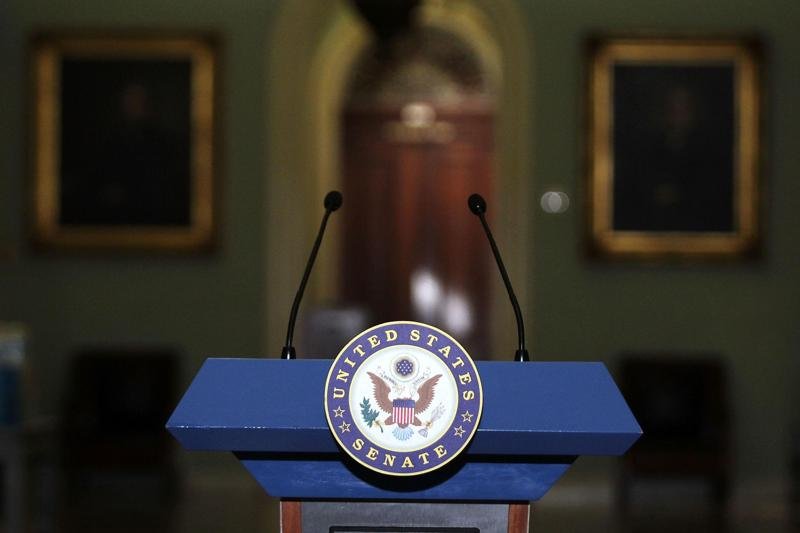
The US Senate has once again failed to approve a key measure aimed at ending military action in Iran. The latest vote marks another setback for lawmakers pushing the Iran War Resolution USA.
This time, senators rejected the proposal by a close margin. A total of 50 members voted against it, while 47 supported it. As a result, the Iran War Resolution USA failed for the sixth time.
Previously, the resolution had gained slightly more support. It received 48 votes in favor during the last attempt. However, the current vote shows a drop in support, highlighting the ongoing divide in the Senate over foreign policy.
Democratic Senator Adam Schiff reintroduced the measure. He has consistently pushed the Iran War Resolution USA in an effort to limit military involvement. According to him, Congress must play a stronger role in decisions related to war.
Meanwhile, the voting pattern revealed interesting shifts. Democratic Senator John Fetterman voted against the proposal. His decision added to the opposition and affected the final outcome.
On the other hand, two Republican senators supported the resolution. Senator Rand Paul continued his support for limiting military action. In addition, Senator Susan Collins voted in favor for the first time. Her shift in position drew attention during the debate on the Iran War Resolution in the USA.
Moreover, the repeated failure of the resolution shows that lawmakers remain divided. Some argue that ending military operations is necessary to avoid further escalation. Others believe that maintaining a strong presence is important for national security.
At the same time, public and political pressure continues to grow. Many voices are calling for a clearer strategy regarding US involvement in foreign conflicts. Therefore, this Resolution remains a central topic in ongoing discussions.
In conclusion, the latest vote reflects deep disagreements within the Senate. Although supporters continue to push forward, the Iran War Resolution still faces strong resistance. The future of this proposal now depends on whether lawmakers can find common ground in the coming sessions.