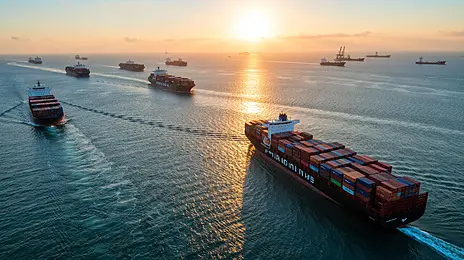
Iran has announced a new maritime stance that is drawing global attention. The Iran Strait policy allows most countries to move their ships through key waterways without restriction. Officials say the decision aims to reduce pressure on global trade routes.
Under the new Iran Strait policy, vessels from countries not directly involved in regional tensions can pass safely. Iran has made it clear that commercial shipping will continue for many nations. This move is expected to support oil supply chains and ease concerns in international markets.
However, this policy places limits on the United States, Israel, and countries closely aligned with them. Iranian officials stated that these restrictions reflect ongoing political and security tensions. They warned that certain vessels may face denial of access under this framework.
Authorities described the Iran Strait policy as an open offer to the wider international community. They said the goal is to prevent disruption while maintaining national security interests. Iran also signaled that it wants to avoid a full shutdown of vital maritime routes.
Analysts believe the Iran policy could lower immediate tensions in the region. By allowing most global shipping to continue, Iran sends a message of controlled response rather than escalation. This approach may help stabilize energy markets in the short term.
At the same time, concerns remain about how the Iran Strait policy will be enforced. Observers note that any miscalculation could impact regional stability. Shipping companies are now closely monitoring the situation before making operational decisions.
Overall, Iran’s latest move reflects a mix of strategy and signaling. The policy aims to balance pressure with openness while keeping critical trade routes active.