


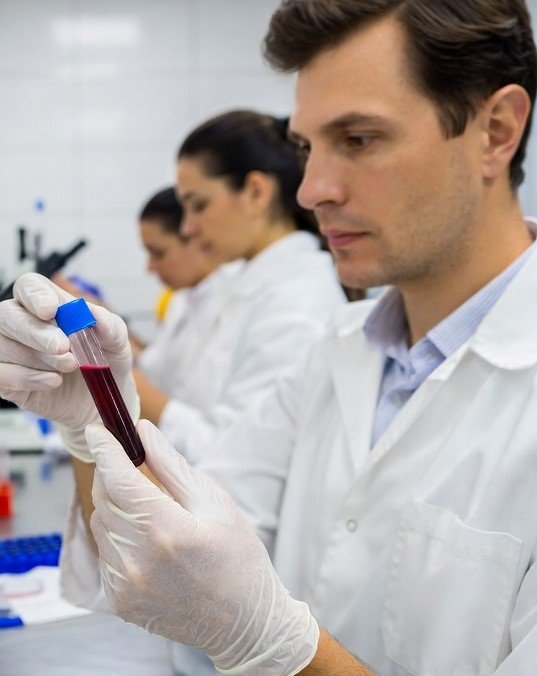
Researchers at the University of California, Davis have developed a new TB blood test. This test can identify active and infectious tuberculosis. It can separate people who are sick and can spread the disease from those who carry the infection silently.
Currently used TB tests cannot make this distinction. They show if someone is infected, but they cannot tell if the infection is active or dormant. Active TB patients can spread the disease when they cough, sneeze, or talk. Dormant carriers do not spread the bacteria.
Professor Imran H. Khan explained that in TB-affected countries, about 35 to 40 percent of the population carries a dormant infection. These people have been exposed to the bacteria but may never get sick. Existing tests often give positive results for both dormant and active infections. As a result, identifying those who are contagious becomes difficult.
The new TB blood test focuses on detecting active infections. This can help doctors treat patients faster. Quick treatment also reduces the risk of spreading TB in communities. Moreover, it allows health authorities to target real threats effectively.
This innovation could be a major milestone in the fight against tuberculosis. By distinguishing active cases, it strengthens efforts to control outbreaks. Researchers hope this test will save lives in high-risk regions.
In addition, the test could change TB screening in hospitals and clinics. It offers a faster, more precise approach. People who test positive for active TB can receive immediate care. Meanwhile, those with dormant infection can be monitored without unnecessary treatment.
Experts highlight the global significance. TB remains a leading infectious disease worldwide. Millions of people are affected every year. With this new test, doctors can focus resources where they are most needed. Early detection of active cases can prevent large outbreaks.
Furthermore, the technology may encourage new public health strategies. For example, health programs can screen high-risk groups and respond promptly. This proactive approach reduces both illness and transmission. Communities can become safer, and TB control efforts more effective.
Researchers emphasize that collaboration is key. Governments, health organizations, and scientists need to work together. Sharing data and improving access to the test can maximize its impact.
In conclusion, the new TB blood test represents hope for millions. It not only enables faster diagnosis and timely treatment but also helps prevent TB from spreading. As research progresses, it could transform the