Understanding the Gulf Conflict and Its Global Impact
The Gulf conflict has once again shaken global stability. However, its impact does not stay limited to the battlefield. Instead, it spreads across economies, energy systems, and financial markets.
Across South Asia, governments now face a difficult question. How can they maintain energy security during crisis periods? At the same time, how can they stay committed to long-term climate goals?
Clearly, the conflict highlights a deeper issue. Energy transition does not happen in isolation. It operates within a complex system where politics, markets, and climate needs overlap.
Why the Gulf Conflict Matters for Energy Security
The Gulf conflict directly affects the global energy supply. This happens because key oil routes pass through sensitive regions, such as the Strait of Hormuz.
Nearly 20% of the world’s oil flows through this route. Therefore, even small disruptions can trigger major price spikes. As a result, fuel-importing countries face immediate economic pressure.
Pakistan provides a clear example. The country imports nearly two-thirds of its energy. Consequently, rising fuel prices quickly increase inflation and financial stress.
Moreover, this conflict forces governments to act quickly. They focus on securing fuel supplies instead of investing in long-term energy solutions. This shift creates serious challenges for climate planning.
Pakistan’s Energy Crisis in the Shadow of Gulf Conflict
The Gulf conflict has made Pakistan’s energy situation more fragile. The country already struggles with currency instability and fiscal pressure. Now, higher fuel costs have added new stress.
In response, the government has introduced austerity measures. These include limiting public events and significantly increasing fuel prices. While these steps aim to manage the crisis, they also highlight deeper vulnerabilities.
Furthermore, energy shortages force immediate decisions. Governments must stabilize supply at any cost. Therefore, they often rely on expensive fuel imports or fossil fuels.
As a result, climate investments take a back seat. The Gulf conflict indirectly slows the progress of renewable energy in such scenarios.
Climate Finance Under Pressure
The Gulf conflict exposes weaknesses in global climate finance systems—institutions like the Green Climate Fund and the World Bank focus on long-term investments. However, real-world crises demand immediate action.
During energy shocks, governments cannot wait for long-term funding cycles. Instead, they need instant solutions to keep industries running and households powered.
Therefore, climate finance models struggle to adapt. The Gulf conflict shows that existing systems lack flexibility during emergencies.
In addition, public pressure increases during crises. Governments must prioritize economic stability. As a result, renewable energy projects often face delays.
The Rise of Alternative Energy and Solar Growth
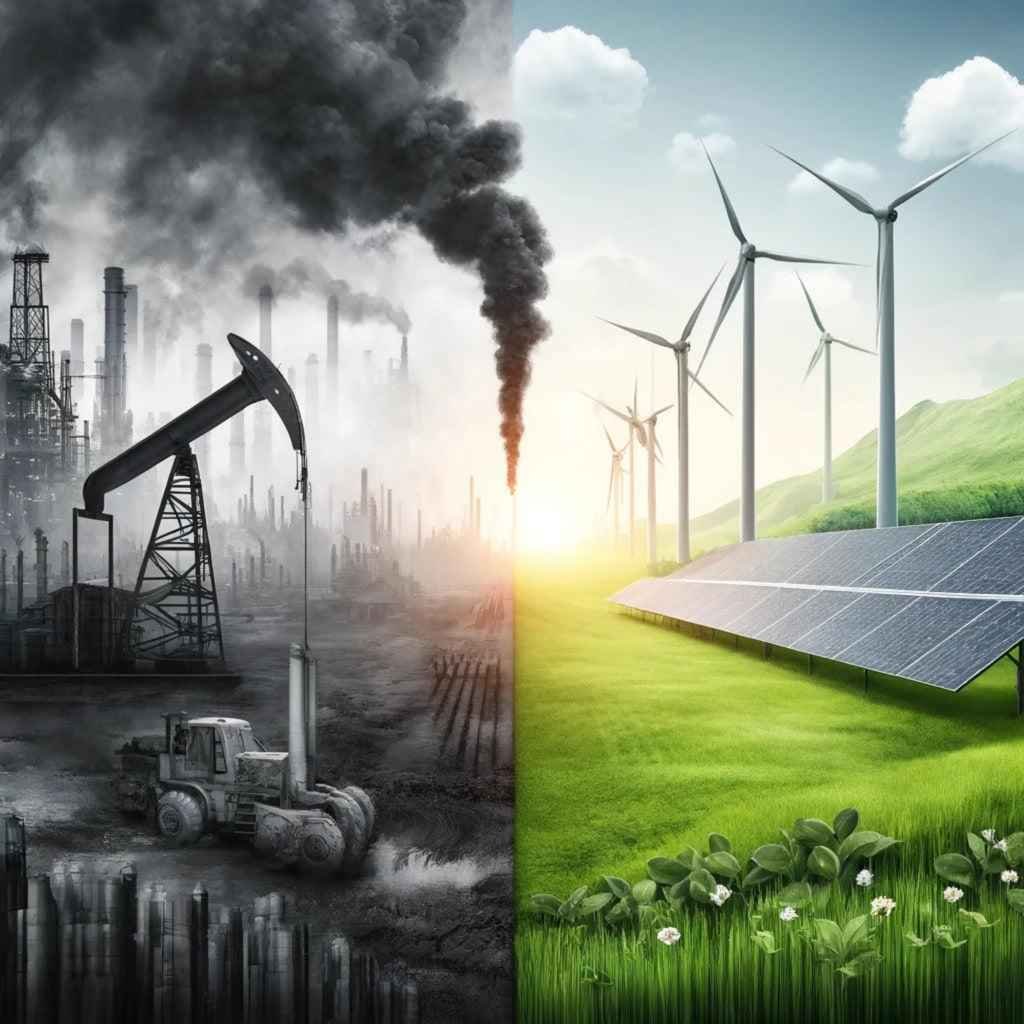
Despite challenges, the Gulf conflict also highlights opportunities. Countries like Pakistan have started investing in distributed solar energy.
This system allows electricity generation at the point of use. For example, rooftop solar panels reduce dependence on national grids.
Since 2018, solar expansion has saved Pakistan billions in fuel imports. Moreover, it has reduced reliance on volatile global markets.
Therefore, it may push countries toward energy independence. In the long term, this shift could strengthen the adoption of renewable energy.
Short-Term Survival vs Long-Term Climate Goals
The Gulf conflict creates a clear tension between short-term needs and long-term goals. Governments must keep the lights on and industries running. However, they also need to reduce carbon emissions.
During crises, immediate needs always come first. Therefore, climate projects often face delays.
However, repeated disruptions can create lasting damage. If renewable investments slow, countries may remain dependent on fossil fuels for longer.
Consequently, the Gulf conflict risks slowing global decarbonization efforts.
Global Trade, Shipping Risks, and Energy Costs
The Gulf conflict also affects global shipping and logistics. Energy markets depend on secure transport routes. Any disruption increases shipping costs and insurance premiums.
Even the perception of instability can trigger price volatility. As a result, fuel-importing countries face sudden financial shocks.
Moreover, countries may need to diversify supply routes. This shift requires additional investment and planning.
For developing economies, these changes can cost billions. Therefore, the Gulf conflict creates long-term economic challenges beyond immediate crises.
Rethinking Climate Finance for an Unstable World
The Gulf conflict sends a clear message. Climate finance systems must evolve to handle uncertainty.
Traditional models focus on stability and long-term planning. However, the modern world faces overlapping crises. These include wars, economic shocks, and climate disasters.
Therefore, new financial tools are necessary. Governments need systems that support both energy security and climate transition.
For example, emergency energy financing linked to renewable projects can help. Similarly, debt restructuring tied to climate investment can create fiscal space.
In this way, the Gulf conflict can drive innovation in global finance systems.
A Turning Point for Energy and Climate Strategy
The Gulf conflict represents more than a regional issue. It acts as a global stress test for energy and climate policies.
South Asia remains highly vulnerable due to its reliance on imported fuel. At the same time, its growing population increases energy demand.
Therefore, the region must balance immediate needs with long-term sustainability. This challenge will shape future economic growth and resilience.
In conclusion, the Gulf conflict highlights both risks and opportunities. It exposes weaknesses in current systems. However, it also pushes countries toward innovation and energy independence.
Ultimately, the path forward depends on smart policy decisions. If managed well, the Gulf conflict could accelerate the transition toward a more resilient and sustainable energy future.