


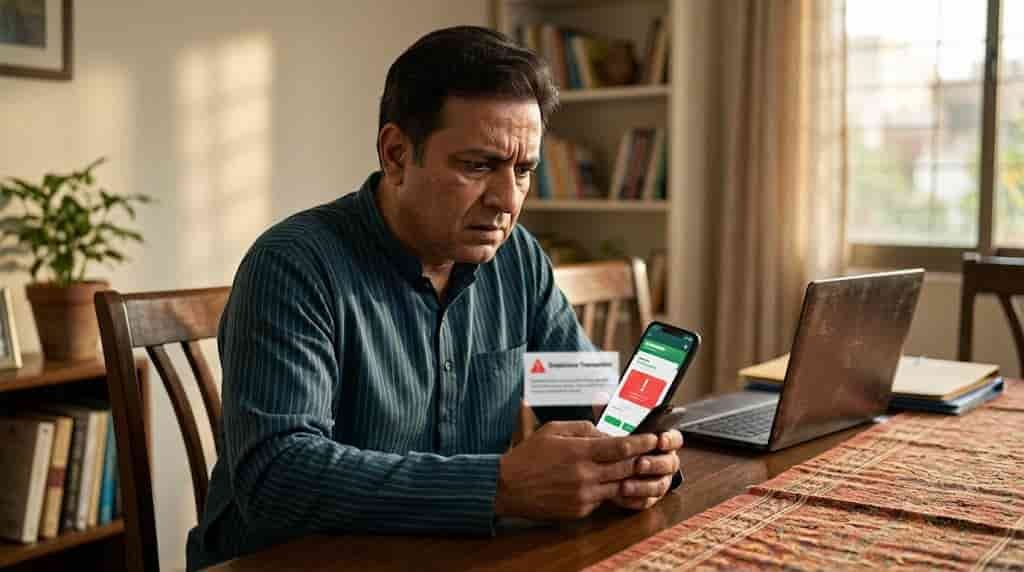
Online Banking Fraud in Pakistan: How to Protect Your Money in 2026
Online banking has changed the way Pakistanis manage their money. Today, millions of people use mobile banking apps, internet banking and digital wallets to transfer funds, pay bills and shop online.
However, this convenience also comes with risks. Online banking fraud in Pakistan has become an important concern as scammers use fake calls, phishing messages, WhatsApp accounts and other tricks to target unsuspecting users.
The worrying part is that criminals do not always need advanced hacking skills. In many cases, they simply convince a person to reveal confidential information or send money voluntarily.
Online banking fraud is often connected with the misuse of personal information, including CNIC details. Many people do not know whether unknown bank accounts are linked with their identity, which can create financial security risks. If you want to protect yourself from identity misuse, learn how to check bank accounts registered on your CNIC in Pakistan and verify your banking records.
Understanding these scams can therefore make a major difference.
What Is Online Banking Fraud?
Online banking fraud happens when criminals use deceptive or unauthorized methods to steal money or obtain access to someone’s financial information.
Scammers may target bank account details, passwords, debit or credit card information, PINs and one-time passwords.
They often create a sense of urgency. A victim may receive a message claiming that a bank account will become blocked unless immediate verification takes place.
Others may receive calls about suspicious transactions, prizes, refunds or account upgrades.
The purpose remains the same: make the victim act before they have time to verify the situation.
Fake Bank Calls Are a Major Warning Sign
One common method involves a person pretending to work for a bank.
The caller may already know basic information about the victim. This can make the conversation sound convincing.
They may claim that the bank needs to verify an account, stop a suspicious transaction or update customer information.
Then comes the dangerous part.
The caller asks for an OTP, PIN, password, card details or other confidential information.
Never provide these details to someone who contacts you unexpectedly.
If you have concerns about your account, end the call and contact your bank yourself through its official helpline, mobile application or website.
Be Careful With WhatsApp Money Scams
WhatsApp has also become an important tool for financial scammers.
A criminal may impersonate a relative, friend or colleague and claim to need money urgently. In some cases, scammers may use unfamiliar international numbers while pretending to be relatives living abroad.
The message usually creates emotional pressure.
There may be an emergency, medical problem, travel issue or urgent payment that supposedly cannot wait.
Before sending money, verify the request independently.
Call the relative or friend using the phone number you already have saved. If you cannot reach them, contact another trusted family member.
Never transfer money simply because a WhatsApp message sounds convincing.
Phishing Links Can Look Surprisingly Real
Phishing remains another major threat associated with online banking fraud in Pakistan.
A phishing message usually contains a link that directs the victim to a fake website.
The page may copy the colours, logo and design of a legitimate bank. It can therefore appear genuine at first glance.
The website then asks the user to enter account information, passwords or card details.
Once criminals obtain this information, they may attempt to misuse it.
Avoid opening banking links received through unexpected SMS messages, emails or WhatsApp conversations.
Instead, open your bank’s official application directly or type the official website address yourself.
Never Share Your OTP
An OTP, or one-time password, provides an additional layer of security for many digital transactions.
That protection disappears when a customer gives the code to a scammer.
A fraudster may claim that the OTP will verify your identity, cancel a transaction or activate a banking service.
Do not believe such requests.
Treat every OTP as confidential.
If you receive an OTP when you did not initiate a transaction or login attempt, check your account immediately and contact your bank if anything appears suspicious.
Protect Your Mobile Banking App
Your smartphone can provide direct access to important financial information.
Protect it accordingly.
Use a strong screen lock and enable biometric security when available. You should also use a unique password for your banking application.
Avoid using easily guessed passwords based on your name, birthday or phone number.
Keep your smartphone operating system and banking applications updated because security updates can address vulnerabilities.
You should also avoid installing unknown applications from links sent through messages or social media.
Beware of Screen-Sharing and Remote Access Apps
Another dangerous technique involves convincing victims to install applications that allow another person to view or control their device.
The scammer may pretend that the software is necessary for account verification or technical support.
Once access becomes available, sensitive information on the phone may become exposed.
A legitimate banking issue should not require you to give an unknown caller remote control of your smartphone.
If somebody asks you to install unfamiliar software during a banking call, end the conversation and contact the bank independently.
Avoid Sensitive Banking on Public Wi-Fi
Free Wi-Fi at cafés, airports, shopping centres and other public places may seem convenient.
However, users should avoid conducting sensitive financial transactions over networks they do not trust.
Use your mobile data or a trusted private internet connection when accessing banking services.
Also remember to log out after completing transactions, especially when using a device that other people can access.
Turn On Transaction Alerts
Banking notifications can provide an early warning when something goes wrong.
Keep SMS, email or app notifications enabled for financial transactions whenever your bank provides them.
Check every transaction alert.
If you receive an alert for something you did not authorize, contact your bank immediately.
Quick action can help reduce further risk.
What Should You Do If Money Is Stolen?
Do not delay after discovering a suspicious or unauthorized transaction.
Contact your bank immediately through an official channel and report what happened.
Ask the bank to secure the affected account or digital banking access where appropriate.
Change compromised passwords and review recent transactions carefully.
You should also preserve evidence.
Keep screenshots of suspicious messages, phone numbers, transaction IDs, emails and payment receipts. Do not delete conversations that could help establish what happened.
Customers can first register their complaints through their bank’s official complaint management system.
If the matter remains unresolved, they can explore the complaint mechanisms available through the relevant banking authorities, including the Banking Mohtasib Pakistan where applicable.
Never Trust Urgency Without Verification
One of the most powerful tools used by scammers is psychological pressure.
They want victims to panic.
“Your account will be blocked.”
“Someone is withdrawing your money.”
“Send the OTP immediately.”
“I need money urgently.”
Messages like these encourage people to act emotionally rather than carefully.
Whenever money is involved, stop and verify.
A genuine issue can survive a few minutes of verification. A scam often depends on preventing you from taking those few minutes.
Older Family Members Need Extra Awareness
Digital banking safety should become a family conversation.
People who are less familiar with mobile banking, online payments and phishing techniques may find sophisticated scams difficult to recognize.
Teach parents and older relatives one simple rule: never share an OTP, PIN or banking password with anyone over the phone or WhatsApp.
Tell them to call a trusted family member before transferring money after receiving an unusual request.
This simple habit could prevent a major financial loss.
Digital banking offers enormous convenience, and Pakistan’s financial system continues to move towards digital payments.
However, customers must develop stronger digital security habits alongside that growth.
Online banking fraud in Pakistan often succeeds because criminals exploit trust, fear and urgency rather than relying only on complicated technology.
Never share your OTP, PIN or password. Avoid suspicious links, verify unexpected money requests and contact your bank through official channels whenever something feels wrong.
Most importantly, remember one simple rule: stop, verify and then act.
A few minutes of caution can protect the money you spent years earning.