

Friedrich Merz lands in Kyiv with drone deal and €1.35 billion aid package
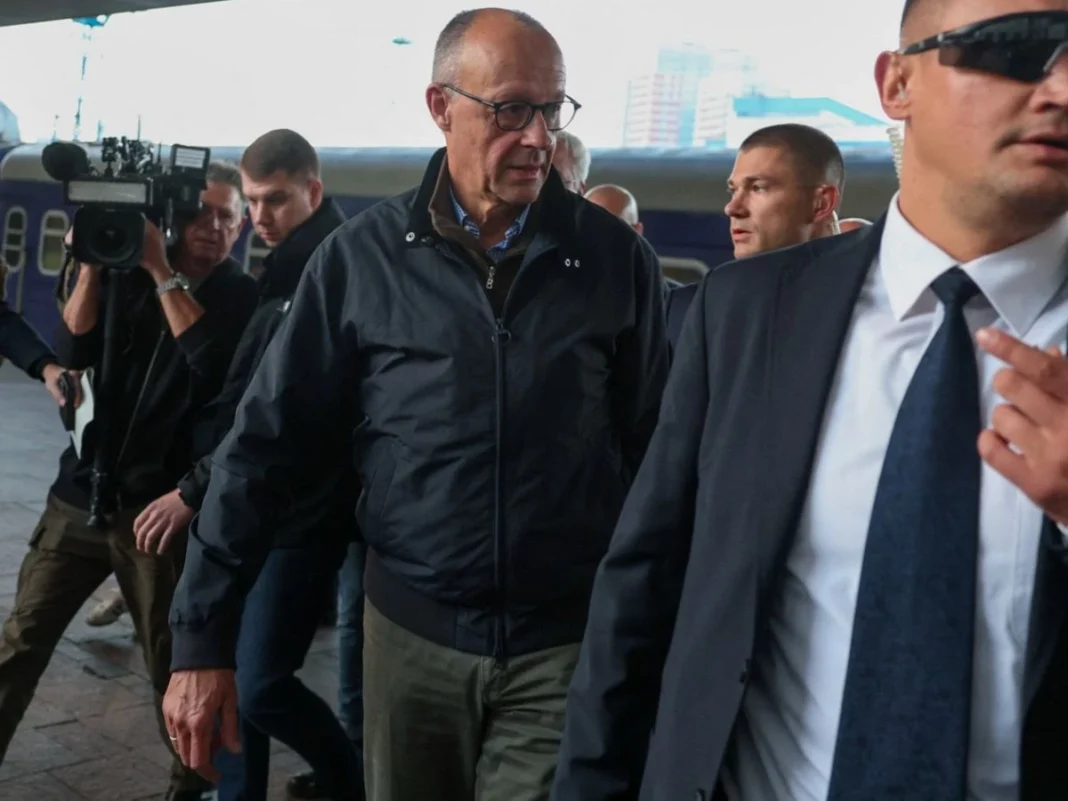
German Chancellor Friedrich Merz arrived in Kyiv on Sunday with a group of German defence company chief executives, in a show of support for President Volodymyr Zelenskiy as Russian attacks on Ukrainian cities escalate.
Merz will announce a package that includes €1 billion in military aid and €350 million for repairs in the energy sector, German government officials said. The visit is also expected to finalise a deal for the joint production of drones between Germany and Ukraine.
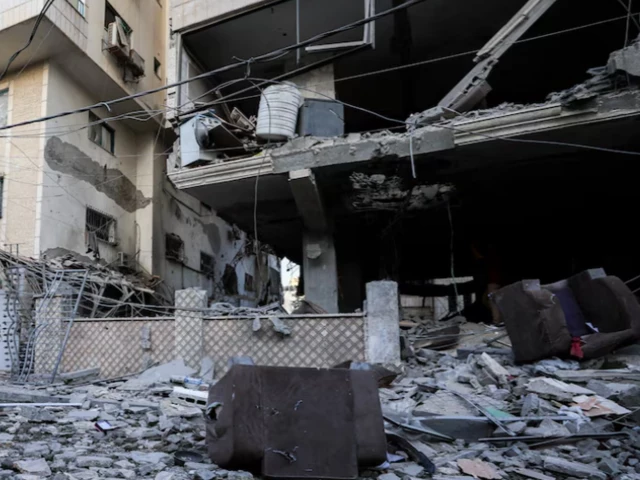
“I travelled to Kyiv today because Ukraine needs all our support in the coming weeks,” Merz said, adding that Russian forces were bombing towns, residential buildings and heating plants.
“If Russia is not stopped, sooner or later its war machine will turn against us.”
A deal for joint drone production
Merz told Zelenskiy: “You can continue to count on our help.”
The defence-industry delegation includes executives from Siemens Energy, Hensoldt, Diehl Defence and Quantum Systems, a German defence-technology company. Merz is travelling with Minister for Economic Affairs Katherina Reiche and a wider economic delegation.
Zelenskiy said on Wednesday, after speaking with Merz by phone, that Ukraine would soon finalise the agreement for producing drones, missiles and related software with Germany. A key focus is the rapid production of anti-jet interceptor drones, which Quantum Systems has tested successfully.
In April, Quantum and Ukrainian manufacturer WIY Drones created Quantum WIY Industries, a joint venture to produce the Strila interceptor drone and related air-defence technologies. The deal also covers the joint development of weapons with a range of more than 1,000 km that Ukraine could use to strike targets deep inside Russia.
Since the summer, Russia has used dozens of high-speed jet attack drones daily against civilian and military infrastructure, making interceptor drones a priority for Ukraine’s air defences.
Energy repairs and reform demands
The €350 million for energy-sector repairs addresses damage from Russian strikes on power and heating infrastructure as winter approaches. Moscow’s recent attacks have targeted heating plants, raising fears of a freezing winter in Kyiv and other cities.
Moscow warns foreigners to stay away
Russia’s Foreign Ministry said on Saturday that Moscow would continue to hit targets in Ukraine systematically, describing them as retaliatory strikes for Ukrainian attacks on Russia in recent months. It warned foreign nationals and diplomatic staff against staying in or travelling to Ukraine.
On Thursday, Merz had said Germany would not be intimidated by the rising number of hybrid attacks by Russia on European states.
Zelenskiy told Reuters on Saturday that Ukraine’s armed forces would double down on attacks against oil refineries inside Russia, in response to what he called Moscow’s “new doctrine” of escalating strikes on civilian infrastructure aimed at forcing residents of Kyiv and other cities to flee.
Why Friedrich Merz’s Kyiv visit matters for Europe
With Russia warning diplomats to leave and Ukraine vowing to hit Russian refineries harder, the visit underscores how far the conflict has moved from any near-term negotiated settlement.
Related
- Former Russian PM says Putin knows Ukraine war was a mistake
- Putin issues Kaliningrad warning at Valdai forum
- IEA releases 325 million barrels of emergency oil
- EU plans migrant return hubs with Pakistan in focus
Frequently asked questions
What did Friedrich Merz announce in Kyiv?
A package of €1 billion in military aid and €350 million for energy-sector repairs, plus the finalisation of a joint German-Ukrainian deal for drone production.
What drones are covered by the deal?
The focus is on anti-jet interceptor drones such as the Strila, built by the Quantum WIY Industries joint venture, along with missiles, software and weapons with a range of over 1,000 km.
Why is energy aid part of the package?
Russian strikes on power and heating infrastructure have increased as winter approaches. The €350 million is meant to repair damage and keep cities heated.
How has Russia responded?
Russia’s Foreign Ministry said it would continue systematic strikes on Ukrainian targets and warned foreign nationals and diplomatic staff against staying in or travelling to Ukraine.