COP31 Climate Talks Collapse Without a Deal
The COP31 climate talks collapse became certain on Sunday as United Nations negotiations in Antalya ended without a political agreement, after the summit president said there was no consensus on the final text and no new draft would be produced.
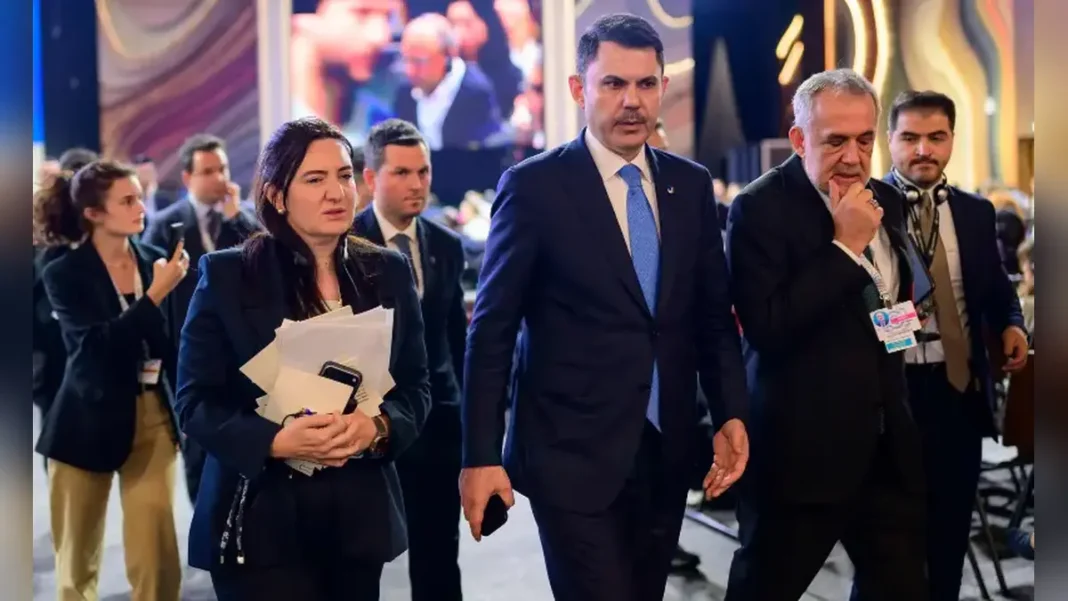
COP31 President Murat Kurum told the closing plenary that the deal had not been approved. “It is clear that there are parties in this hall who oppose this text. We recognise that there is no consensus on this document. Therefore, these decisions have not been adopted,” he said.
“There will be no new text from now on. We will not be carrying out work on a new text in an environment where there is no consensus,” Kurum added.
The failure makes COP31 the first UN climate summit since Copenhagen in 2009 to end with no deal adopted by all countries. The talks ran for more than two weeks and had been due to finish on Friday, but stretched into the weekend as negotiators tried to bridge their differences.
COP31 climate talks collapse: the fossil fuel fault line
The European Union and other countries rejected the final draft put forward by the COP31 presidency, saying it was too weak to advance the fight against global warming. Ireland’s environment minister, Darragh O’Brien, said the EU could not support a deal that made no mention of the fossil fuels scientists say are driving global warming.
“It is unconscionable that we would have a climate act that makes no reference to fossil fuel, no reference to transitioning away from fossil fuels,” O’Brien said.
Panama also said it could not support the text because it failed to meet the scale of the climate crisis.
The draft had come under fire from several sides. An earlier draft dropped any mention of fossil fuels, and a revised draft still left the issue unresolved. Observers at the venue said Saudi Arabia and other large oil-producing nations had pushed hard to keep explicit mention of fossil fuels out of the text, and to keep carbon removal technologies in.
The proposed deal had acknowledged that the world is set to overshoot the 1.5 degrees Celsius limit agreed at the Paris talks more than a decade ago. It called for faster development of carbon removal technologies to reverse the overshoot in time. Scientists say removing carbon from the air, paired with steep cuts in emissions, is vital to avoid the worst effects of climate change. Critics of the deal said they feared the carbon removal language would be used as a licence to keep pumping oil.
A representative of the Saudi delegation told the summit he was surprised at the resistance to technology. “If indeed the climate challenge, as some have mentioned today, is so important, it makes no sense that solutions, concrete solutions… will be taken off the table,” he said.
The summit also faced criticism over accessibility problems at the venue during the talks.
What the failure means for Pakistan
The collapse matters for Pakistan because the country counts on COP outcomes for climate finance and support to cope with floods, heatwaves and glacial melt. Pakistan suffered catastrophic floods in 2022, and its cities now face severe air pollution as well, with Lahore ranking as the world’s most polluted major city this month.
This year’s COP is the first since the UN’s environmental body confirmed in October that the rise in global temperature was set to exceed 1.5 degrees Celsius, a threshold beyond which extreme weather impacts intensify. For countries on the front line of climate change, the lack of a deal leaves the question of who pays for adaptation and loss and damage unresolved for another year.
The failure does not erase what earlier summits agreed. The obligations set by previous COP meetings still stand, and the technical and legal frameworks that govern joint action on climate change remain in place. What is missing is a fresh political signal that countries are willing to act together and to fund the costs that rising temperatures cause.
What happens next
With no deal adopted, there is no agreed text to carry into the next round of talks. Countries will return to their capitals without a joint statement from Antalya, and the COP process will need to rebuild consensus before the next summit. Dawn reported the collapse from the closing plenary on Sunday.
For now, the talks have ended in stalemate. The question for the year ahead is whether governments can find common ground on fossil fuels and finance, or whether the next summit will face the same divide.
Frequently asked questions
Why did the COP31 climate talks collapse?
The talks collapsed because there was no consensus on the final draft deal. The EU and other countries rejected it as too weak, in part because it made no mention of fossil fuels, while oil-producing nations resisted stronger language. Summit president Murat Kurum said no new text would be produced.
When did UN climate talks last fail to reach a deal?
The last time UN climate talks failed to end with a deal adopted by all countries was in Copenhagen in 2009.
What was the dispute over fossil fuels?
The draft deal made no mention of fossil fuels, which scientists say are driving global warming. The EU said it could not support a climate agreement with no reference to fossil fuels or to moving away from them. Saudi Arabia and other oil producers had pushed to keep the language out.
Does the collapse cancel earlier climate agreements?
No. The failure to agree a political declaration in Antalya does not erase the obligations agreed by previous summits, and the technical and legal frameworks governing joint action against climate change remain in place.
What does the COP31 failure mean for Pakistan?
Pakistan is highly exposed to floods, heatwaves and glacial melt, and it relies on COP outcomes for climate finance and support. With no deal, the question of funding for adaptation and loss and damage stays unresolved for another year.
—