Russian Lab Worker Plague Death: 189 Contacts Under Observation
The Russian lab worker plague death has put 189 people under medical observation in Siberia, after a 28-year-old employee of an anti-plague research institute died of severe pneumonia of unknown origin. The case has drawn international attention because of where she worked, though Moscow has not confirmed that plague caused her death.
The woman, identified in local reports as Daria Sh, worked at the Irkutsk Research Anti-Plague Institute in Shelekhov, a town near the Mongolian border. The institute studies and monitors high-risk infectious diseases across Siberia and Russia’s Far East.
She fell seriously ill and died after doctors diagnosed pneumonia of unknown aetiology. The hospital where she was treated went into quarantine, and some departments temporarily stopped admitting or discharging patients.
Russian lab worker plague death: what the tests found
Russia’s public health watchdog, Rospotrebnadzor, said the epidemiological situation in Shelekhov and Irkutsk remained stable. It said expanded testing of samples from the researcher did not detect microorganisms associated with her professional work.
Officials added that they had not identified infectious disease cases among the institute’s staff during the preceding 10 days.
Local reports have carried conflicting accounts of what happened. Some claimed the woman fell ill after travelling to Buryatia, where plague-related concerns had previously emerged. Others mentioned a possible laboratory accident involving a broken test tube. Officials have not confirmed either account.
The confusion was deepened by comments from Alexei Tsydenov, the head of neighbouring Buryatia, who said the researcher may have died from plague. He also said there was no plague outbreak in Buryatia.
Why Washington is watching closely
The reports have reached the White House because the incident involves a potentially serious infectious disease at a specialised Russian research facility. A Trump administration official said the White House was aware of the reports, was monitoring the situation, and was assessing its options.
The US State Department is following developments alongside the Centers for Disease Control and Prevention and other agencies. Officials stressed that many details remain unconfirmed and urged Russian authorities to communicate accurate information quickly and openly.
US officials have emphasised that suspected pneumonic plague can be treated with antibiotics, particularly when doctors begin treatment early. The State Department said the safety of US citizens remained its priority.
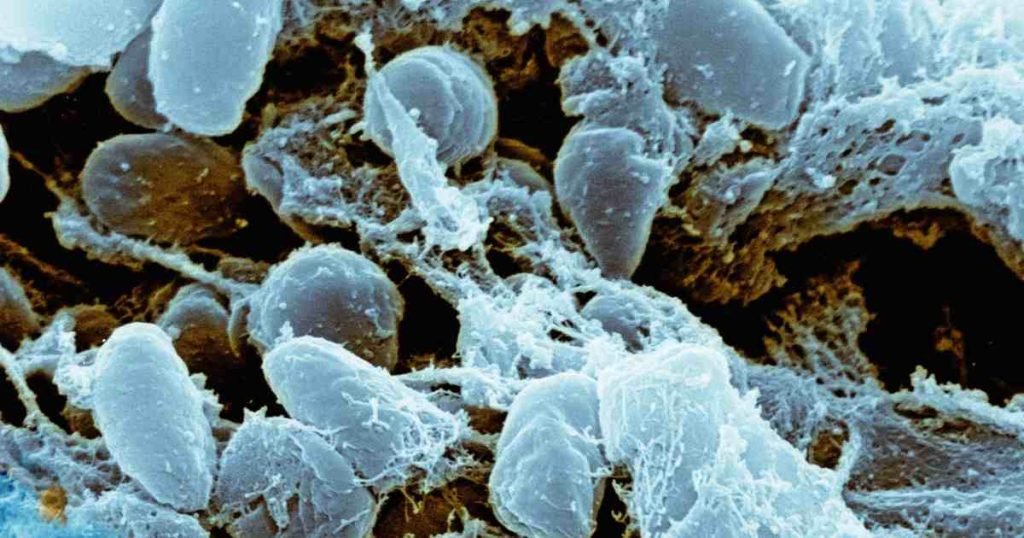
Medical experts say pneumonic plague, caused by the bacterium Yersinia pestis, can bring fever, weakness, headache, breathing difficulties, chest pain and coughing. Unlike bubonic plague, the pneumonic form can spread between people through respiratory droplets, which is why suspected cases are investigated fast.
But experts have also urged calm. Dr Ashish Jha, who previously served as the White House COVID-19 response coordinator, said an isolated case could end without further spread.
FAQs
Who was the Russian lab worker?
Daria Sh, 28, worked at the Irkutsk Research Anti-Plague Institute in Shelekhov, Siberia, a facility dedicated to studying high-risk infectious diseases. She died after developing severe pneumonia of unknown origin.
Has Russia confirmed she died of plague?
No. Rospotrebnadzor described the illness as pneumonia of unknown origin and said expanded testing did not find microorganisms linked to her work. The head of neighbouring Buryatia suggested plague as a possibility, but Russian health authorities have not confirmed it.
Why are 189 people under observation?
Officials placed 189 contacts of the researcher under precautionary medical observation while carrying out testing and examinations. The hospital where she was treated also went into quarantine.
Why is the White House monitoring the case?
US officials are tracking the reports because of the possible infectious-disease risk and the researcher’s workplace at a specialised Russian facility. The State Department and CDC are following developments and have urged Moscow to share accurate information quickly.