K-P Trainee Doctors End 37-Day Protest After Governor Kundi’s Assurance
More than 6,000 trainee and house officer doctors in Khyber-Pakhtunkhwa have called off their 37-day protest and boycott of services at government hospitals. The decision came after Governor Faisal Karim Kundi assured them that their demands would be considered.
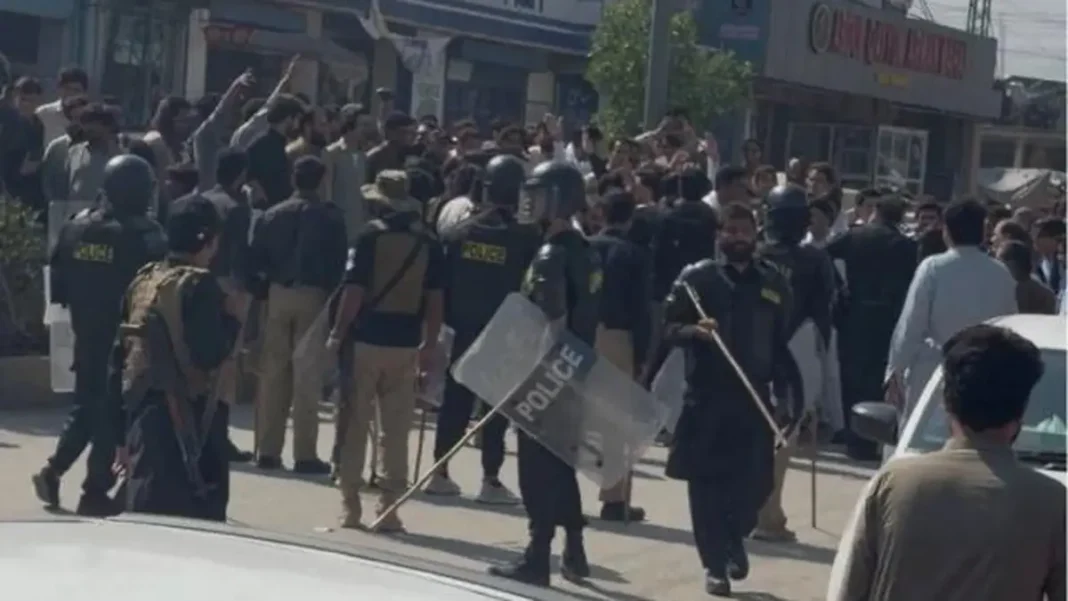
The doctors had been demanding an increase in their monthly stipends. For over a month, they stayed away from duty and staged daily demonstrations in the outpatient departments of major public-sector hospitals across the province.
K-P trainee doctors’ demands and the month-long boycott
The protest had grown out of a simple grievance: stipends that the young doctors say no longer match the cost of living. Trainee medical officers and house officers form the backbone of staffing at public hospitals, covering night shifts, emergency rooms and outpatient clinics.
Their boycott disrupted services for weeks. Patients seeking treatment at government hospitals faced long delays, and many were turned away from outpatient departments where the demonstrations were taking place. Hospital administrations struggled to keep wards running with senior staff alone.
The doctors’ association said the governor’s assurance was enough, for now, to send everyone back to work. They expect a formal review of the stipend structure.
A first settlement under governor’s rule
The settlement is the first major dispute resolved under the new administration in Khyber-Pakhtunkhwa. Since the imposition of governor’s rule, Governor Kundi’s office has been reshaping the province’s administration, including the removal of 57 law officers and fresh appointments approved by the governor.
The Tribune has also reported that the governor has sought a pay raise for the K-P police, suggesting a pattern of responding to pay grievances across public-sector cadres. How far that extends to doctors’ stipends remains to be seen.
The doctors ended their protest the same week the provincial government has been under close watch from Islamabad, where Prime Minister Shehbaz Sharif briefed allies on the K-P governor’s rule and called it the most difficult decision of his tenure. In that climate, a quick settlement with the medical community avoids another front of unrest for the new administration.
What happens next
The governor’s assurance is not yet a written commitment. The doctors’ return to duty depends on a genuine review of stipends, and the association has made clear that the boycott could return if the promise is not kept. The province’s health department will need to put numbers on the table, and the finance department will need to find them.
For patients, the immediate relief is real. Outpatient departments should return to normal schedules within days, and the backlog of delayed consultations will take weeks to clear.
Why were K-P trainee doctors protesting?
More than 6,000 trainee and house officer doctors were demanding an increase in their monthly stipends. They boycotted hospital services and held daily demonstrations in outpatient departments for 37 days.
Who ended the protest?
Governor Faisal Karim Kundi assured the doctors that their demands would be considered. Following that assurance, the doctors called off the protest and the boycott of services.
How did the protest affect patients?
The 37-day boycott disrupted services at government hospitals across Khyber-Pakhtunkhwa. Patients faced long delays and difficulties getting treatment, especially in outpatient departments where the doctors staged daily demonstrations.