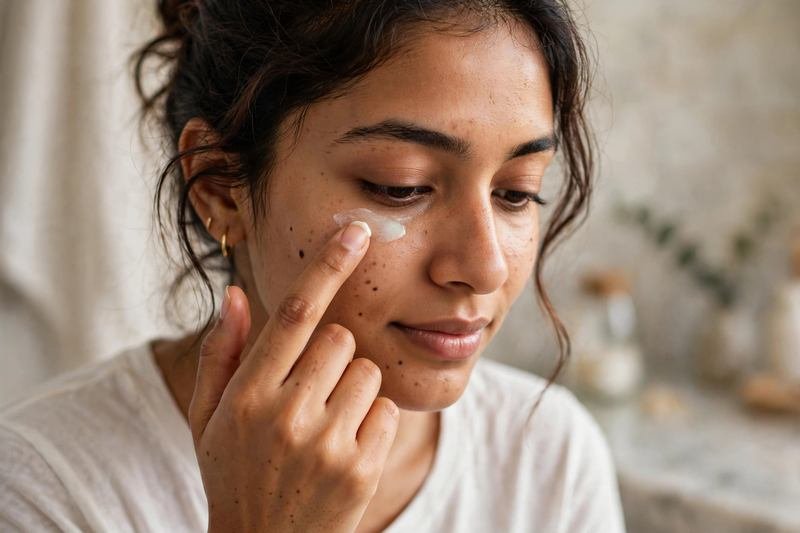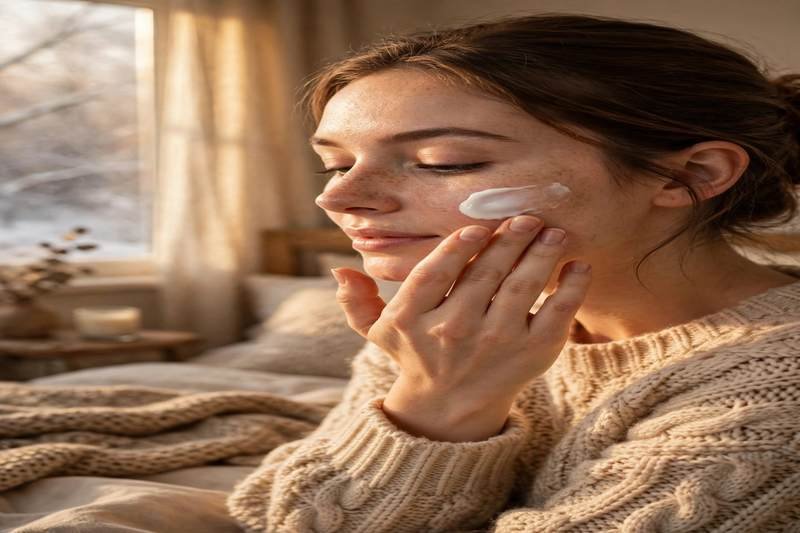
If you have dry skin, winter in Pakistan feels less like a season and more like a warning. One week your skin is fine, and the next it is tight after every wash, flaky around the nose, itchy on the shins, and your lips peel no matter how much balm you apply. The good news: none of this is inevitable. A few changes to your routine can carry you through December, January, and February with soft, comfortable skin.
This guide covers a complete winter skincare routine for dry skin, built around what is actually available in Pakistan: local products, realistic PKR prices, and routines that fit real homes.
Why Pakistani Winters Are Especially Hard on Dry Skin
Winter skin trouble is not just about cold weather. In Pakistan, several factors attack your skin barrier at the same time.
Cold, dry air with very low humidity
In northern cities like Islamabad, Lahore, and Peshawar, winter humidity can drop to 20 to 30 percent, far below the 40 to 60 percent range where skin stays comfortable. Cold air holds less moisture, so every gust of wind pulls water out of the skin.
Indoor heaters
Gas heaters, electric room warmers, and oil-filled radiators bake the moisture out of indoor air. Sleeping all night in a heated room is one of the most common reasons people wake up with tight, flaky skin and cracked lips.
Hot showers
A steaming hot shower on a freezing January morning feels wonderful, but very hot water strips the natural oils from your skin faster than almost anything else.
Smog in Lahore and Punjab
Winter in Punjab brings smog season, and it is not only your lungs that suffer. Fine particulate matter settles on the skin and weakens the skin barrier, leading to dullness and increased dryness. When Lahore’s AQI crosses into very unhealthy territory, your evening cleanse matters even more than usual.
Less water, more chai
In winter we drink less water because we feel less thirsty, replacing it with endless cups of hot chai. That lower intake shows up on dry skin fast.
The Golden Rules of Winter Skincare
- Moisturize on damp skin. Apply moisturizer within three minutes of washing, while skin is still slightly damp. This locks water in instead of letting it evaporate.
- Layer light to heavy. Thin, watery products first, thick creams and oils last. Each layer seals in the one before it.
- Cleanse gently. Your cleanser should never leave skin feeling squeaky or tight. If it does, it is too harsh for winter.
- Protect the barrier. Harsh scrubs, strong acids used daily, and alcohol-heavy toners all damage the barrier you are trying to save.
- Be consistent. A simple routine done every day beats a ten-step routine done twice a week.
Morning Routine for Dry Skin in Winter
Your morning routine has two jobs: hydrate and protect. Keep it to five steps so you will actually do it daily. If mornings are chaotic, a streamlined skincare routine for busy moms built on these principles works just as well.
Step 1: Gentle cleanse (or just lukewarm water)
Very dry skin may not need a cleanser in the morning; a splash of lukewarm water is enough. Otherwise use a creamy, non-foaming cleanser and avoid strong fragrance or sulfates.
Step 2: Hydrating toner or rose water
Apply toner to damp skin. Pure rose water (arq-e-gulab), available at any pharmacy for around PKR 150 to 300, works beautifully. Pat it in with your palms.
Step 3: Serum
A hyaluronic acid serum pulls water into the skin. Vitamin C helps with smog-related dullness, and niacinamide strengthens the barrier. Pick one based on your main concern. Our guide to the best face serum for glowing skin breaks down which ingredients suit which needs.
Step 4: Moisturizer
Seal everything in with a proper cream, not a light lotion. Do not forget your neck, which shows dryness just as fast as the face.
Step 5: Sunscreen (yes, in winter)
Most Pakistanis skip sunscreen from November to February, and it is a mistake. UV rays pass through clouds and winter haze, and the damage is cumulative. Use broad-spectrum SPF 30 or higher every morning as the last step.
Night Routine for Dry Skin in Winter
Step 1: Double cleanse
Start with an oil-based cleanser or plain coconut or almond oil to dissolve sunscreen, makeup, and the day’s dust and smog. Massage for a full minute, wipe off, then follow with your gentle creamy cleanser.
Step 2: Exfoliate (once or twice a week)
Dead skin builds up faster in winter, but over-exfoliating destroys the barrier. Limit it to once or twice weekly with a mild lactic or mandelic acid product, and skip it if skin feels raw or stings.
Step 3: Toner and serum on damp skin
Repeat the toner step, then apply serum. Hyaluronic acid on damp skin followed by moisturizer is a simple, effective combination. If you use retinoids, start twice a week and buffer with moisturizer, since they can increase dryness at first.
Step 4: Rich night cream, then seal it in
Apply a thick night cream generously to face and neck. For very dry skin, add a thin final layer of oil or petroleum jelly to lock everything in. A pea-sized amount of Vaseline pressed over moisturizer two or three nights a week can transform flaky morning skin.
Best Moisturizers for Dry Skin in Pakistan (with Prices)
Affordable, widely available products work excellently for winter dry skin. Prices are approximate and vary by city.
- Nivea Soft (200ml, around PKR 900 to 1,100): Effective everyday moisturizer for face and body that layers well under sunscreen.
- Nivea Creme, the classic blue tin (150ml, around PKR 800 to 1,000): Much richer than Nivea Soft. Excellent as a night cream or for dry patches.
- Vaseline Intensive Care Deep Restore (400ml, around PKR 1,200 to 1,500): A solid body lotion that helps with flakiness on arms and legs.
- Pond’s Cold Cream (100ml, around PKR 600 to 750): Still one of the best dry-skin cleansers and night moisturizers around.
- Medisoft cream (around PKR 400 to 600): A Pakistani pharmacy staple. Rich, simple, and gentle enough for sensitive skin.
- CeraVe Moisturizing Cream (454g, around PKR 3,500 to 4,500): The dermatologist favorite with ceramides and hyaluronic acid. Pricier, but one tub lasts months.
- Dove Deep Moisture body wash (around PKR 350 to 500): A creamy body wash prevents the full-body itchiness that plagues dry skin every winter.
Read the ingredient list when choosing. Look for glycerin, hyaluronic acid, ceramides, shea butter, squalane, and petrolatum, and be cautious of heavy fragrance and denatured alcohol.
Natural Oils: Almond, Coconut, and Olive
Long before serums existed, Pakistani households used kitchen oils for winter skincare. Oils are occlusives: they sit on top of the skin and slow water loss. Apply them over damp skin or over moisturizer.
Almond oil
Light, rich in vitamin E, and excellent as a night seal for the face and for hands. Sweet almond oil from brands like Hemani costs around PKR 800 to 1,200 for 120ml.
Coconut oil
A heavier oil that works wonderfully on the body, feet, and hair. Caution: it can clog pores on acne-prone faces, so keep it to the body if you break out easily.
Olive oil
Extra virgin olive oil is rich in antioxidants and works well as a body oil after a shower. Most people prefer it for the body rather than the face.
Keep a small bottle of almond oil on your bedside table. A few drops massaged into hands and feet every night prevents the cracked cuticles and rough heels winter always brings.
Humidifier Tips for Dry Winter Air
No cream fully compensates for sleeping eight hours in air at 20 percent humidity.
- Place a bowl of water near your heater. The traditional Pakistani solution still works. A wide steel bowl of water placed near (not on) a gas heater slowly evaporates and adds moisture to the room. Refill daily.
- Run a humidifier in the bedroom at night. Basic ultrasonic humidifiers are available online in Pakistan for around PKR 3,000 to 6,000. Aim for 40 to 50 percent humidity, and clean the unit every two to three days to prevent mold.
- Do not overdo it. Humidity above 60 percent encourages mold and dust mites. If windows are constantly fogged, turn it down.
Lip Care: Stop the Peel Cycle
Winter lips peel because lip skin is thin and has no oil glands.
- Stop licking your lips. Saliva evaporates in seconds and takes your lips’ natural moisture with it.
- Exfoliate gently, once a week. Mix a pinch of sugar with a drop of honey or almond oil, massage softly for thirty seconds, and rinse. Never pick at peeling skin.
- Layer your lip care. At night, apply a thick layer of Vaseline or rich lip balm before sleep. During the day, reapply after meals. Balms with shea butter, beeswax, or lanolin outperform thin, waxy sticks.
- Use SPF on lips too. Balms with SPF 15 or higher protect against winter sun, which contributes to chapping more than people think.
Hand and Foot Care
Hands and feet suffer most in winter because they have fewer oil glands and are usually the last thing we moisturize.
Hands
Switch to a gentle, non-antibacterial hand wash, and keep hand cream at every sink, applying it after every wash. For cracked knuckles, massage almond oil or petroleum jelly into hands at night and wear thin cotton gloves to bed once or twice a week. Wear gloves outdoors: cold wind on bare hands undoes moisturizing within minutes.
Feet
Soak feet in warm (not hot) water for ten minutes once a week, smooth rough areas gently with a pumice stone, pat dry, then massage in coconut oil or a thick heel cream and put on cotton socks. Two or three nights of this heals most mild heel cracks. For deep, painful cracks that bleed, see a dermatologist.
Diet and Water Intake for Winter Skin
- Drink water even when you are not thirsty. Aim for 8 to 10 glasses a day. Warm water, herbal teas, and soups all count.
- Eat healthy fats. Almonds, walnuts, peanuts, sesame seeds (til), and desi ghee in moderation provide the essential fatty acids your skin needs. Winter is peanut and til season in Pakistan for a reason.
- Load up on seasonal produce. Oranges, kinnows, and guavas are packed with vitamin C; carrots and spinach provide beta-carotene and vitamin A; leafy saag delivers iron and antioxidants.
- Do not replace all your water with chai. One or two cups are fine, but try swapping one daily chai for warm milk with turmeric at night.
- Supplements are optional, not essential. Some people explore collagen powder for skin support, and our honest review looks at what the evidence actually says. No supplement replaces a balanced diet, consistent moisturizing, and sun protection.
Common Winter Skincare Mistakes to Avoid
1. Over-exfoliating
Scrubbing daily or using strong acids every night destroys the barrier, causing more flaking. Flaky winter skin usually needs more moisture, not more exfoliation.
2. Skipping sunscreen in winter
Winter haze does not block UV rays, and damage accumulates silently all year. Sunscreen is a twelve-month habit.
3. Taking long, very hot showers
Keep showers to five to ten minutes with warm water, and moisturize within three minutes of toweling off.
4. Using the same lightweight summer products
The gel moisturizer and foaming cleanser that worked in July are not enough for January.
5. Licking chapped lips and picking at flakes
Both make everything worse. Licking dries lips further, and picking tears healthy tissue.
6. Ignoring the neck, hands, and body
Winter dryness is a full-body problem. Extend your moisturizer to neck, hands, and legs every time.
When to See a Dermatologist
Most winter dryness improves within a week or two of a proper routine. See a dermatologist if skin stays red, cracked, or painfully itchy despite consistent moisturizing; if you develop raw patches, oozing, or swelling; or if intense itching disturbs your sleep. This article shares general skincare guidance, not medical advice.
The Bottom Line
Surviving a Pakistani winter with dry skin comes down to a handful of habits: cleanse gently, moisturize on damp skin, layer light to heavy, seal everything in at night, use sunscreen every morning, humidify your bedroom, and drink your water. A blue tin of Nivea, a bottle of almond oil, a bowl of water near the heater, and ten consistent minutes morning and night will carry most dry skin comfortably through to spring. Start tonight, and your skin in February will thank you.