Pakistan's Prisons Hold 110,513 Inmates, Three in Four Awaiting Trial
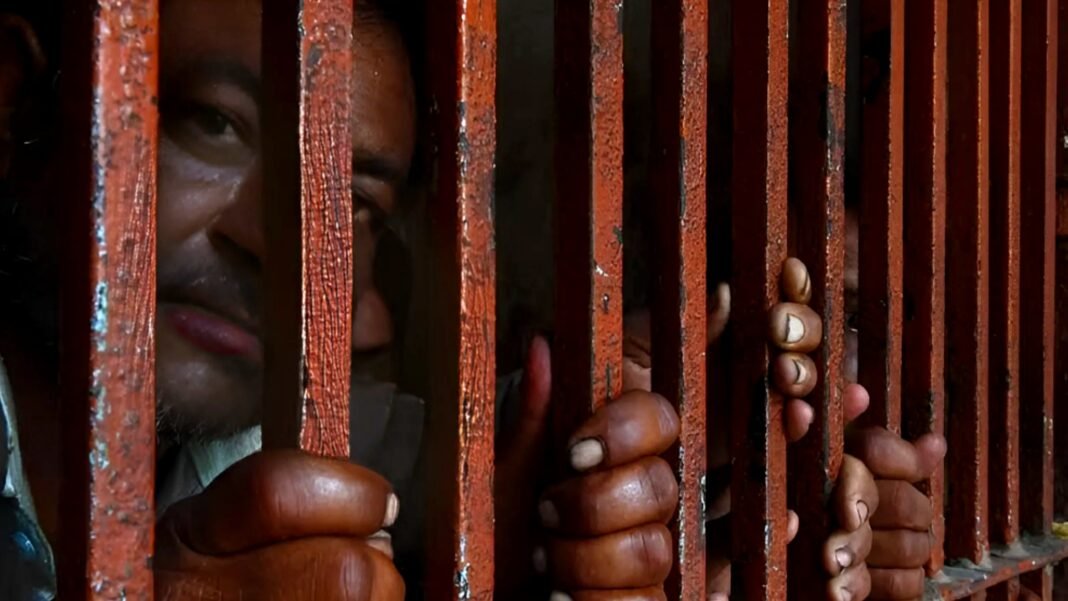
ISLAMABAD: The Pakistan prison population has climbed to 110,513, and three out of every four inmates are still awaiting trial, according to the Annual Prisons Data Report 2026.
The report was compiled jointly by the National Commission for Human Rights (NCHR) and Justice Project Pakistan (JPP) and launched on Thursday with European Union support. It describes a system bursting at the seams and a justice process that cannot keep up with the number of people it locks up.
Prisons across the country are operating at more than 160 per cent of their authorised capacity. Against an official capacity of around 68,832 inmates, the system is holding 41,681 more people than it was built for.
The Pakistan prison population in numbers
The most striking figure in the report is the share of under-trial prisoners. Of the total 110,513 inmates, 82,988 are awaiting trial. That is 75 per cent of everyone behind bars.
The under-trial population alone is larger than the country’s entire authorised prison capacity, exceeding it by 14,156 people. Pakistan’s jails would still be overcrowded even if every convicted prisoner walked free tomorrow.
The report, now in its second edition, pulls together official prison data from across the country to examine incarceration, overcrowding, under-trial detention, bail, trial delays and alternatives to imprisonment.
“People enter prison faster than our justice system can process them,” said NCHR Chairperson Rabiya Javeri Agha. She called it a criminal justice crisis and urged attention to prolonged detention, trial delays, bail barriers and limited alternatives to imprisonment.
Drug laws, women and children drive the surge
Drug-related offences are one of the biggest engines of overcrowding. More than 28,000 people are imprisoned under the Control of Narcotic Substances Act, over a quarter of the total, and that figure has grown by more than 43 per cent since 2023.
The pressure is falling hardest on vulnerable groups. The number of women in prison has risen by 45.96 per cent since 2024, and 86.2 per cent of children in prison are awaiting trial, meaning most minors behind bars have not been convicted.
There is one figure moving in the other direction. The country’s death-row population has declined to 3,220, an 11.7 per cent reduction from 2024.
Two provinces show another way
The crisis is not evenly spread. Punjab and Sindh face severe overcrowding, while Khyber Pakhtunkhwa and Balochistan have brought their numbers down and are operating within authorised capacity.
The report credits the two provinces’ greater use of probation, parole, diversion and other alternatives to imprisonment. Fewer people need to be locked up when the system uses the non-custodial options already available to it.
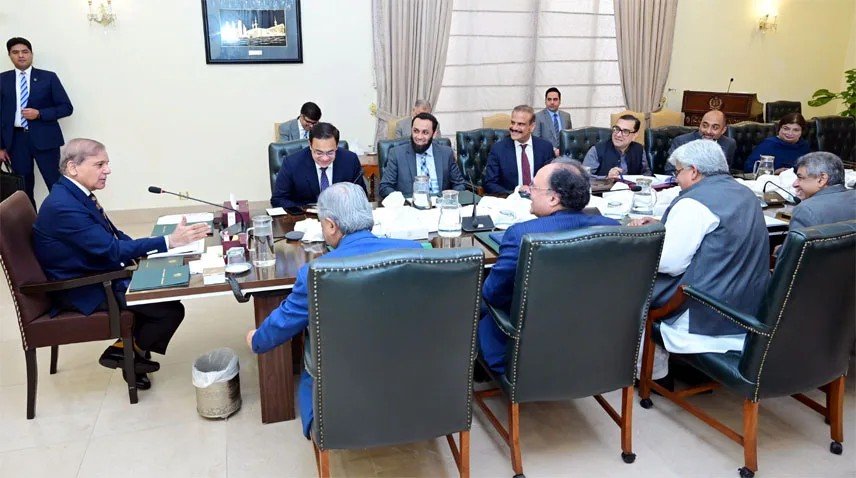
Justice Project Pakistan Executive Director Sarah Belal said the data should guide criminal justice reforms. Jeroen Willems of the EU Delegation in Pakistan said prison management reflected how a society treated people in state custody and stressed evidence-based reforms.
What the report recommends
The report calls for reducing unnecessary detention, reforming bail and surety practices, cutting trial delays, expanding non-custodial alternatives and strengthening prison oversight. It also recommends reviewing laws and policies that contribute to unnecessary incarceration.
With 82,988 people waiting for their day in court, the report’s authors argue that fixing trial delays and bail rules is a matter of a functioning justice system.
Frequently asked questions
How many people are in Pakistan’s prisons?
The Annual Prisons Data Report 2026 puts the Pakistan prison population at 110,513, in a system designed for about 68,832 inmates, meaning prisons are operating at more than 160 per cent of capacity.
What does under-trial mean?
An under-trial prisoner is someone held in jail while their case is still being heard. In Pakistan, 82,988 inmates, or 75 per cent of the prison population, are under trial without having been convicted.
Which provinces face the worst overcrowding?
Punjab and Sindh face severe overcrowding. Khyber Pakhtunkhwa and Balochistan have reduced their prison populations and remain within their authorised capacity, largely through greater use of probation, parole and diversion.
What reforms does the report call for?
The report recommends reducing unnecessary detention, reforming bail and surety practices, cutting trial delays, expanding non-custodial alternatives to imprisonment and strengthening oversight of prisons.