


Amnesty International said on Friday that Punjab’s new anti-terror law, the Anti-Terrorism (Amendment) Bill 2026, raised serious concerns about the right to a fair trial, calling it a “glaring attack” on fair-trial rights in Pakistan.
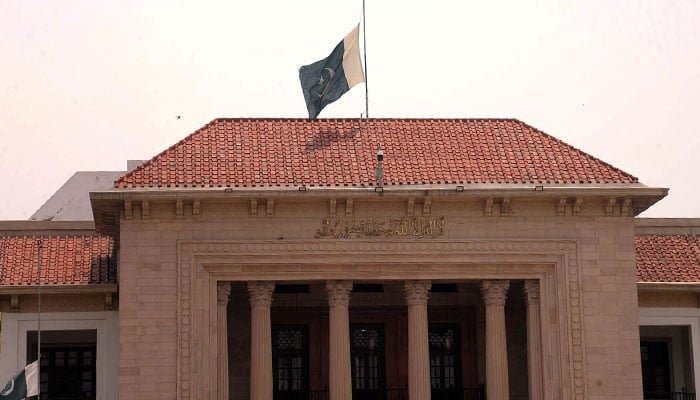
The Punjab Assembly passed the amendment on August 31 amid protests and a walkout by opposition lawmakers. In a public statement, Amnesty examined the law against Pakistan’s obligations under international human rights law and warned that it allowed for secret trials that could lead to grave human rights violations.
The rights group said the amendment created a mechanism for trials held in “complete secrecy”, going beyond the narrow exceptions allowed under international human rights law, and deepened concerns about past misuse of anti-terrorism laws.
How the ‘special security case’ mechanism works
The amendment inserted a new Section 21AAA into the Anti-Terrorism Act, 1997. It allows a designated authority, an officer of at least BS-20 whose own identity would remain confidential, to declare a case or a class of cases a “special security case” if participants are considered to need extraordinary protection.
Amnesty said the process and criteria for designating such a case were highly vague and lacked transparency. “The text of section 21AAA(5)(b) suggests that the designated authority has full discretion to decide whether a case or a class of cases require extraordinary protection measures and that the chief justice is bound by this decision,” the statement said.
At the authority’s request, the Lahore High Court chief justice can assign the case to an Anti-Terrorism Court judge. The identities of judges, public prosecutors, defence counsel, police officers, witnesses and others involved in the proceedings “shall not be disclosed”.
Judicial orders will use official titles instead of judges’ names, and witnesses will be identified by codes issued by the designated authority. Proceedings can be held at secure premises or conducted through video links, including from prisons, and the government can adopt other security measures it considers appropriate.
Why Amnesty says the Punjab anti-terror law threatens fair trials
Amnesty said the level of secrecy permitted carried an enormous potential for miscarriages of justice. It noted that the law applies to Punjab, Pakistan’s most populous province with 127,333,305 people, or 50.9 percent of the country’s total population.
“If this act is allowed to be implemented it could lead to a knock-on effect in other provinces who could pass similar legislation,” the group warned.
The statement added that neither the amendment nor the original act defines what counts as “extraordinary protection”, leaving wide discretion in the hands of the confidential designated authority.
Frequently asked questions
What did the Punjab Assembly pass on August 31?
The Punjab Anti-Terrorism (Amendment) Bill, 2026, which inserts a new Section 21AAA into the Anti-Terrorism Act, 1997, creating a “special security case” mechanism for terror cases needing extraordinary protection.
What is Amnesty’s main objection?
That the law permits trials in near-complete secrecy, with undisclosed judges, witnesses identified by codes and a confidential designated authority deciding which cases qualify, which it says threatens the right to a fair and public trial.
Has the law been challenged in court?
The Lahore High Court has sought arguments on the anti-terror bill’s legality, a separate legal challenge that is still before the court.
The original report appeared in The Express Tribune.


 Bill 2026 allows secret trials, calling it a glaring attack on the right to a fair trial.)