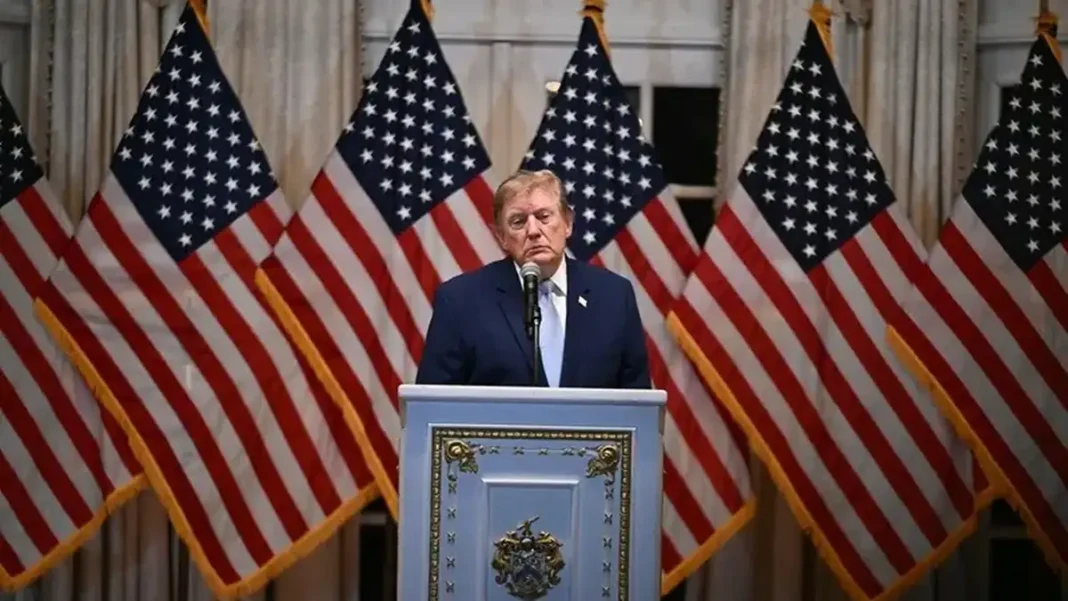
President Donald Trump has signed an executive order waiving sweeping American sanctions and tariffs on Russia’s energy revenues, in the sharpest sign yet of how far the Trump Russia sanctions waiver has driven a wedge between Washington and Kyiv. The order, signed on Friday, shelves penalties on Moscow’s oil and gas income just weeks after Trump signed them into law.
The Trump Russia sanctions waiver and the diesel deal
The waived measures drew their authority from the Lindsey Graham Act, named after the late US senator who sponsored it. The law allowed duties of up to 100 per cent on major buyers of Russian oil and gas, and targeted Russia’s energy and defence sectors, its leadership and the shadow tanker fleet Moscow uses to dodge Western sanctions.
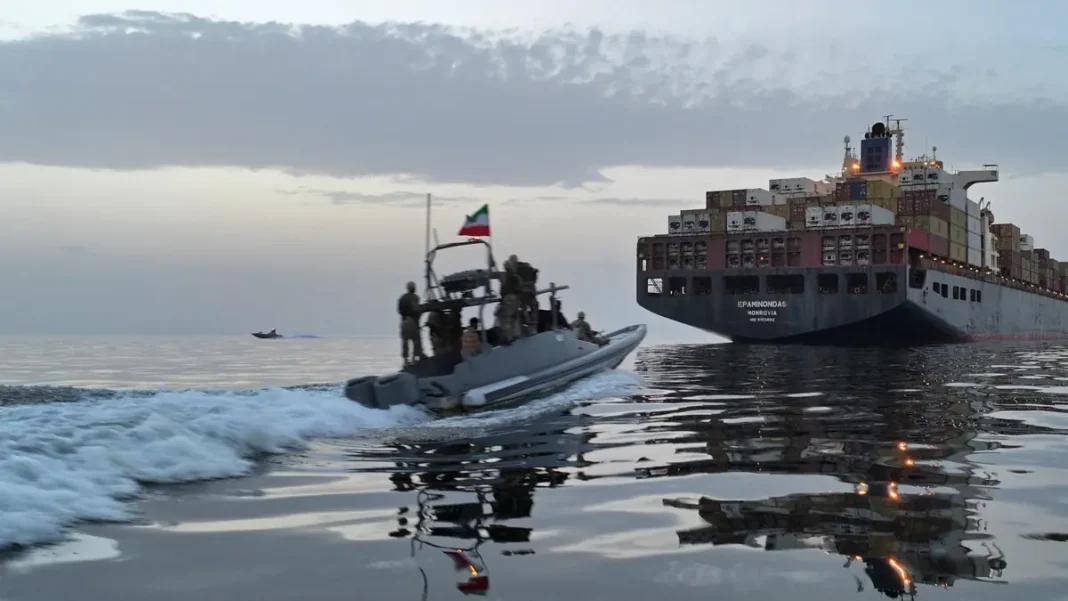
Trump’s reversal followed a deal struck with Putin under which Washington would ease sanctions on Russia in exchange for Moscow releasing large volumes of diesel into global markets. The White House is battling the fallout of the US-led war in Iran, which has choked oil supplies and sent fuel prices spiking ahead of next month’s midterm elections.
The timing stunned Kyiv. Ukrainian President Volodymyr Zelensky had ordered his forces to resume strikes on Russian refineries, a move Trump branded a “disgrace”. Asked in Brussels whether Trump was making him a scapegoat for domestic troubles, Zelensky paused, smiled, and said: “This is my answer.”
“I defend the interests of Ukraine and the Ukrainian people exclusively,” Zelensky said after his meetings with EU leaders.
Zelensky’s €70bn plea in Brussels
In Brussels, Zelensky asked the EU, Ukraine’s biggest backer, for an extra €70 billion ($79 billion) next year plus more Patriot missiles. Ukraine is struggling to intercept Russian strikes and is racing to shore up defences before winter, when temperatures can hit minus 20C and attacks threaten power, heating and water.
European leaders put on a show of unity. European Council chief Antonio Costa said: “This is no time to withdraw the support to Ukraine. This is no time to relieve Russia’s sanctions. Now it is time to increase our support, to increase our pressure.”
Dutch Prime Minister Rob Jetten called the situation “truly dire”. European Commission chief Ursula von der Leyen confirmed Zelensky’s €70 billion request “has to be covered” and urged partner countries to step in, while French President Emmanuel Macron said backers would analyse the demand and German Chancellor Friedrich Merz said the EU would take it up before the end of the year.
The EU is already paying out a €90 billion loan for Kyiv meant to cover funding through the end of 2027, but Ukrainian officials warn of a major budget black hole as Russian strikes batter the economy. The talks have revived calls to tap around €200 billion in frozen Russian central bank assets. Latvia’s Andris Kulbergs backed the idea; Belgium, where most of the money sits, remains opposed.
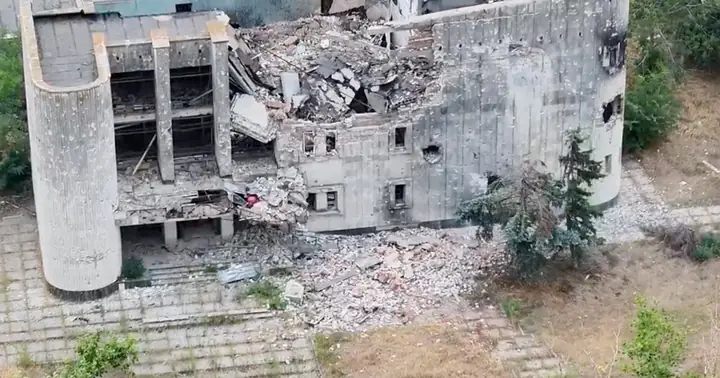
The strain goes beyond money. A disruption to a critical US-provided satellite system has hampered Ukraine’s ability to counter intense Russian bombardments, though SpaceX chief Elon Musk denied his company was behind it and a US official denied any intervention by Trump. Russian strikes on the southern cities of Kherson and Zaporizhzhia killed a 64-year-old man and at least 17 people, including an 11-year-old girl, Ukrainian authorities said on Saturday.
Why it matters for Pakistan
The diesel-for-sanctions-relief bargain lands directly on Pakistan’s fuel market. Diesel held at Rs396.96 a litre in the latest fuel price revision, and Russian diesel flowing back into world markets could soften the global prices behind Pakistan’s daily fuel pricing. With Gulf energy infrastructure under attack and Brent above $105, extra supply is one of the few forces pushing the other way.
It also signals how far energy security now drives foreign policy, from the Vatican’s quiet diplomacy on Ukraine to Washington’s pressure campaign on Tehran. For Islamabad, a net fuel importer, that is a lesson worth noting.
Original reporting: Dawn.
Frequently asked questions
What did Trump’s executive order do?
It waived US sanctions and tariffs on Russia’s energy revenues, weeks after Trump signed the authorising law.
What is the Lindsey Graham Act?
It is the US law, named after the late Senator Lindsey Graham, that authorised duties of up to 100 per cent on major buyers of Russian oil and gas.
What is Ukraine asking the European Union for?
President Zelensky has asked the EU for an extra €70 billion ($79 billion) next year plus more Patriot missiles, warning of a budget black hole as Russian strikes damage the economy.
How could this affect fuel prices in Pakistan?
More Russian diesel on world markets could ease the global prices behind Pakistan’s daily fuel pricing; diesel stands at Rs396.96 a litre.